Category: Physical Wellbeing

  • The Glucose Never Lies

    The Glucose Never Lies

    A Programme To Give Knowledge and Empowerment To Those With Type 1 Diabetes

    The content of the HealingT1D website is for educational and information purposes only.  It does not contain medical advice. The contents of this website are not intended to substitute for professional medical advice, diagnosis or treatment. Please always consult with your doctor, physician, or other qualified healthcare professional before making any adjustments to your routine or healthcare regime.  HealingT1D and all associated with it will not be held liable for any risks or issues associated with using or acting upon the information on this site.
    healing curing type 1 diabetes naturally

    Summary: ‘The Glucose Never Lies’ website, created by diabetes veteran John Pemberton, offers valuable insights on managing blood sugars without strict low-carb diets. Structured for easy understanding, it covers foundational diabetes care and a dynamic glucose management model, benefiting continuous glucose monitor users. The author reports early positive outcomes, indicating its potential to revolutionise her diabetes management.

    Hey there!  Today, I want to share an absolutely fantastic website I discovered in my diabetes journey – a website called ‘The Glucose Never Lies‘, crafted by the amazing John Pemberton.

    A Family Legacy: Why John Pemberton Created His Website

    Imagine this: a seasoned Type 1 Diabetes veteran, a Diabetes Dietitian himself, creating a digital haven of knowledge for his own family.  John’s driving force?  His own children.  He wants to pass on his hard-won knowledge to his children, should they one day become diabetic themselves.  This is particularly important for John, given the higher inheritance rate from dads to their offspring.

    Beyond Disclaimers: The Goldmine of Information

    John explicitly and repeatedly wisely states that this website is not intended for anyone other than his children.  He emphasises how no medical relationship is formed and nothing he talks about should be construed as advice for third parties.  However, his website is a goldmine of information!  From tackling blood high  and blood sugars to handling exercise and dosing for meals and even a nerd corner for diabetes research – it’s a must-see.  I strongly recommend looking at what he has to offer and taking any bits that interest you (or even all of it!) to your medical practitioner to discuss if this might suit your particular diabetes situation.

    Health Without Low-Carb Struggles

    What I was particularly excited by is that this is the first resource I’ve found that shows a path to great diabetes health without enforcing a strict low-carb diet. As discussed here, I’ve danced with low-carb diets before, but they never stuck for me. The cravings were real, and “falling off the wagon” became a recurring theme. But now, this website offers a way to achieve more of those flat lines without swearing off carbs entirely – it’s nothing short of brilliant!

    Foundations: Diabetes Care Basics

    I have to say that I find his website fantastic.  It is designed for even the most unknowledgeable amongst us.  His programme for diabetes health basically consists of two stages.  The first, the foundations, covers the basics of diabetes care – such as bolus and basal insulin, dealing with hypoglycaemia, exercise and eating well for diabetes.  Even if you are an individual with a lot of diabetes experience behind you, I suspect that you can still gain a lot of useful information just from this part.  I am more than forty years into my diabetes journey and I still learnt some really great stuff here.  

    Dynamic Glucose Management: GAME, SET and MATCH

    Then comes what John calls ‘Dynamic Glucose Management’ – a three-part model: GAME (stop highs), SET (stay in target), MATCH (prevent lows).  Each part (GAME, SET and MATCH) is an acronym that helps you to remember each part of the model.  Together, these give you the overall map to diabetes health.  Nevertheless, John still goes beyond the foundations and the model to also offer  information on mealtime insulin and tailoring blood sugars for different kinds of exercise.
    Whilst it sounds like a lot of information (it is, after all!), it is broken down into bitesize sections and the whole website can be digested at your own pace. But, please, if you are thinking about implementing anything that The Glucose Never Lies website contains, please first discuss it with your doctor and/or diabetes team.  Making changes like this, particularly if you are relatively new to diabetes, can be challenging without the right support in place.

    Multifaceted Learning: Video And Written Wisdom

    What I particularly like about The Glucose Never Lies website is that each section comes in both video and written format.  Perfect for those end-of-day hours when time is yours but energy is low!

    Just a word of caution…  The Glucose Never Lies is built on the assumption that you are using continuous glucose monitoring.  The three systems that are included are the Freestyle Libre (which I use) plus Dexcom (which John uses) and Medtronic.  John does discuss in detail the use of these and their relative merits.  Therefore, if you don’t have access to CGMs, this approach is probably not going to be the one for you.  Whilst I think there would still be a lot of information to be gained from the website, your ability to implement it may be somewhat limited.

    Early Gains: Implementing Wisdom In Real Life

    I’m in the early stages of implementing John’s wisdom, and guess what? I’ve already shaved off 0.2% from my HbA1c. I’m seeing more flat lines on my Freestyle Libre 2, feeling more positive, and more in control of my blood sugars. Trust me, the time spent on this website is an investment in your health!

    So, head over to The Glucose Never Lies, soak in the knowledge, and let’s conquer diabetes together!

    GET HEALINGT1D’S FUTURE ARTICLES IN YOUR INBOX!

    Get the latest musings and findings straight to your email inbox.

      Picture of Natalie Leader
      Natalie Leader

      Natalie is a blogger with Type 1 Diabetes. Natalie’s special gifts are questioning the status quo and being a rebel. She is using these gifts to question medical ‘knowledge’ and find a true cure for Type 1 Diabetes.
      The content of the HealingT1D website is for educational and information purposes only.  It does not contain medical advice. The contents of this website are not intended to substitute for professional medical advice, diagnosis or treatment. Please always consult with your doctor, physician, or other qualified healthcare professional before making any adjustments to your routine or healthcare regime.  HealingT1D and all associated with it will not be held liable for any risks or issues associated with using or acting upon the information on this site.
      Recent Comments:
    • Nutrition Update

      Nutrition Update

      My Next Steps on Healing Through Nutrition

      The content of the HealingT1D website is for educational and information purposes only.  It does not contain medical advice. The contents of this website are not intended to substitute for professional medical advice, diagnosis or treatment. Please always consult with your doctor, physician, or other qualified healthcare professional before making any adjustments to your routine or healthcare regime.  HealingT1D and all associated with it will not be held liable for any risks or issues associated with using or acting upon the information on this site.

      Summary: Over the years, the author has transformed her diet after discovering intolerances to dairy and gluten, which affected her mood. With a dietitian’s help, she focused on regular meals, balanced proportions, and healthy fats to manage weight and stabilise blood sugars. Now, addressing shoulder pain, the author has adopted a stricter anti-inflammatory diet for two weeks, cutting out sugar, most fruits, certain cooking methods, red meat, and dairy.

      A lot has happened in terms of my nutrition over the last couple  of years.  I thought I would take some time to go through what has happened and where I am now with food.

      Challenges with Gluten and Dairy

      Back in 2021, I was struggling with mood issues.  I had bouts of anger.  I had bouts of sadness.  I had got to the point of assuming that it was all just who I was, that my personality was a little emotionally unstable and that it was something that I had to put up with.  That is not the case at all.  Last year, I found out that I have issues with dairy and with gluten.  Dairy makes me angry, gluten makes me sad.  I believe these mood challenges reflected the underlying state of my gut health.  70% of the neurotransmitters (the chemicals responsible for your mood, amongst other things) are made in your gut.  So, if you gut is unhealthy or struggling, then your mood might be too.  So, over a period of time, I reduced and then eliminated gluten and dairy from my diet.

      Working With A Dietician

      Then, I started working with a dietician.  I am overweight and, whilst I like the shape of my body as it is, I understand that the more fat reserves I possess, the higher my insulin needs are due to the insulin resistance the fat promotes.  Therefore, I worked with a dietician with a view to releasing excess weight.  We worked together for eight months.  During that time, I overhauled my food.  Some of the changes I made were:

      • I wasn’t completely reliable at eating breakfast, lunch and dinner each day. I changed that. I now eat regularly to nourish my body for the demands of my life.

      • My blood sugars were raising and then lowering quite substantially with every meal. We talked about insulin timing (I now aim to inject 20 minutes before each meal as this is the timing that works for me). We also looked at the order in which I eat the food on my plate. My dietician advised me to eat the vegetables first, then the protein, then the carbohydrates. This produces a much flatter curve to the meal.

      • My dietician and I talked about the components of the meal. Each meal needs to be made up of a half a plate of vegetables or salad, then a quarter is protein and a quarter is a healthy carbohydrate. For now, visually measuring this is enough.

      • We discussed the importance of having healthy sources of fat in my diet. Fat is important for a multitude of reasons. These include being necessary for brain health, keeping blood pressure healthy, enabling you to absorb nutrients, and supporting cell growth. Also, fat keeps you satisfied and satiated. So adding some olive oil to your salad, or eating some avocado with breakfast, is much more likely to keep you away from the snack jar.

      • We talked about meal timing. We worked out that, for me, with my timetable and my nutritional needs, breakfast at 7-8am, lunch at 12pm, a mid-afternoon snack at 3-4pm and dinner at 6-7pm worked for me. (Please note: snacks are still a challenge. It brings me back to the forced snacks of my childhood that I had to eat whether I wanted it or not, just to stabilise blood sugars).

      The Arrival Of Shoulder Pain

      I incorporated these changes into my life as much as I could and felt a lot better for it.  However, then my shoulder pain arrived.  This has asked me to raise the bar on my nutrition.  I am now striving to reduce inflammation in my whole body, which will be contributing to the inflammation in my shoulder.  So, for two weeks, I am following a pretty strict regime.  At the moment, I am not eating:

      1. No sweets, chocolate or processed sugar.

      2. No fruit, except for blueberries.

      3. Vegetables can only be grilled or sautéed (not boiled or steamed)

      4. No red meat, no seafood and no dairy.  Only chicken and white fish.

      5. Gluten-free bread (but it has to be toasted).

      6. No foods or drinks that are too warm or too cold.

      I have to admit that it isn’t exactly the most exciting way to eat but, with the pain I have in my shoulder, I’m willing to try most things!  After these two weeks, we will assess how my shoulder is doing and revisit my nutrition then.

      GET HEALINGT1D’S FUTURE ARTICLES IN YOUR INBOX!

      Get the latest musings and findings straight to your email inbox.

        Picture of Natalie Leader
        Natalie Leader

        Natalie is a blogger with Type 1 Diabetes. Natalie’s special gifts are questioning the status quo and being a rebel. She is using these gifts to question medical ‘knowledge’ and find a true cure for Type 1 Diabetes.
        The content of the HealingT1D website is for educational and information purposes only.  It does not contain medical advice. The contents of this website are not intended to substitute for professional medical advice, diagnosis or treatment. Please always consult with your doctor, physician, or other qualified healthcare professional before making any adjustments to your routine or healthcare regime.  HealingT1D and all associated with it will not be held liable for any risks or issues associated with using or acting upon the information on this site.
        Recent Comments:
      • Shoulder Pain

        Shoulder Pain

        Exploring Treatments To Improve Functioning and Reduce Pain

        The content of the HealingT1D website is for educational and information purposes only.  It does not contain medical advice. The contents of this website are not intended to substitute for professional medical advice, diagnosis or treatment. Please always consult with your doctor, physician, or other qualified healthcare professional before making any adjustments to your routine or healthcare regime.  HealingT1D and all associated with it will not be held liable for any risks or issues associated with using or acting upon the information on this site.
        healing curing type 1 diabetes naturally

        Summary: In May, the author experienced excruciating shoulder pain while removing a cardigan, leading me to a diagnosis of supraspinatus tendinopathy, a condition more prevalent in Type 1 Diabetes. Traditional treatments like painkillers and physiotherapy didn’t fully resolve the issue. Despite initial success with osteopathy and the Egoscue Method, the pain persists, prompting the author to explore jaw involvement and consider incorporating sound healing for holistic relief.

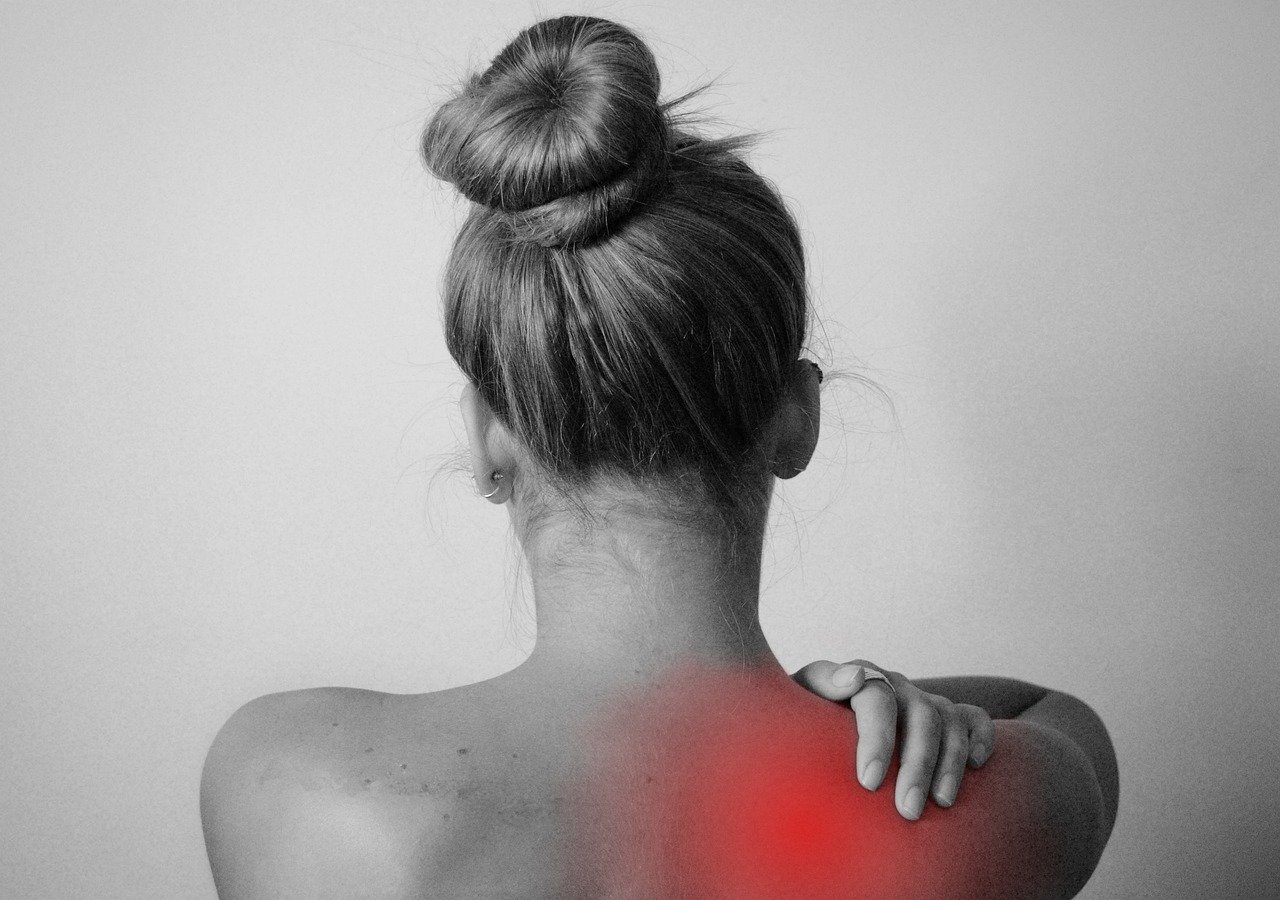
        I am in pain.  In May, I was removing a cardigan when my shoulder erupted in pain.  It spread all the way down and across my chest.  I could hardly breathe and momentarily wondered if I was having a heart attack.  I went immediately to the ER.  It turns out I have suprasinatus tendinopathy or, in other words, pain in the shoulder joint due to deterioration in the tendons of the joint.  Diabetics are more prone to this condition. 

        Shoulder Injuries In Type 1 Diabetes

        Those with Type 1 Diabetes are at a significantly higher risk of having a shoulder issue than those without T1D: 27.5% of the diabetic population versus only 5% of the non-diabetic population.  And this correlation does not seem to be related to the level of control of blood sugars, as measured by the glycosylated haemoglobin score (HbA1c).

        Treatment For Shoulder Pain

        When I first damaged my shoulder, I was prescribed pain killers and non-steroidal anti-inflammatories.  I was also referred to a physiotherapist, who I saw for ten sessions.  I was given ultrasound and exercises to help strengthen the joint.  None of that worked to resolve the problem.  The doctor then wanted to inject saline into my joint to ease the inflammation and, as he said it, “press the reset button on the joint”.  I decided to say no to that.

        Instead, I went to see an osteopath.  Within three sessions, I had an 80% reduction in pain and a significant improvement in my range of movement.  I was nearly back to normal.  But I had to travel and therefore couldn’t fit anymore sessions in.  When I returned, I immediately had more osteopathy sessions but, this time, it’s just not working.  The pain is still there.  It has periods when it increases and periods when it’s less but it’s never absent.  I wake up multiple times in the night in pain.  Did I make the wrong choice to not have the joint injections…?

        Egoscue Method

        The one thing that has been helping me through this is the Egoscue Method.  This is a method created by Pete Egoscue to correct misalignments in the body and therefore restore symmetry and balance to the whole system.  I bought the book “Pain Free by Pete Egoscue” and have been working through the exercises in there on a daily basis.  And it helps.  It hasn’t completely healed it but, on the weeks that I put the effort in, I do get the results.  My pain lessens and I have more movement.

        My osteopath also recommended, at my last session with her, that I go and see a jaw specialist.  I have quite a lot of pain in my jaw and I’m wondering if this might be the root cause of the problem (and my shoulder is purely adapting position to other out-of-alignment parts of my body, like my jaw).  I had a lot of jaw pain twenty years ago.  My jaw locked for about six months and I could barely open my mouth to eat.  From what I remember, I thought it just resolved itself.  Now, I’m wondering if my body compensated by absorbing the pain and misalignment into the other joints of my body.  Perhaps my shoulder has been carrying it since then.

        Osteopathy + Egoscue Method + Sound Healing = Cure?

        So I’m going to continue with my osteopath and also ensure, with as much as I can, that I do my Egoscue Method exercises daily.  And, just for fun, I’m going to add a weekly sound healing session into the mix.  I did a Sound Healing session a month or so ago and, during the session, when one particular frequency was played, my shoulder erupted in the most awful pain.  That vibration got right to the root of the pain.  I could just feel it.  And it did feel much better after the sound healing finished.  So I’ll apply that in there too and see what happens.

        GET HEALINGT1D’S FUTURE ARTICLES IN YOUR INBOX!

        Get the latest musings and findings straight to your email inbox.

          Picture of Natalie Leader
          Natalie Leader

          Natalie is a blogger with Type 1 Diabetes. Natalie’s special gifts are questioning the status quo and being a rebel. She is using these gifts to question medical ‘knowledge’ and find a true cure for Type 1 Diabetes.
          The content of the HealingT1D website is for educational and information purposes only.  It does not contain medical advice. The contents of this website are not intended to substitute for professional medical advice, diagnosis or treatment. Please always consult with your doctor, physician, or other qualified healthcare professional before making any adjustments to your routine or healthcare regime.  HealingT1D and all associated with it will not be held liable for any risks or issues associated with using or acting upon the information on this site.
          Recent Comments:
        • Stuckness

          Stuckness

          Welcoming The Unwelcome

          The content of the HealingT1D website is for educational and information purposes only.  It does not contain medical advice. The contents of this website are not intended to substitute for professional medical advice, diagnosis or treatment. Please always consult with your doctor, physician, or other qualified healthcare professional before making any adjustments to your routine or healthcare regime.  HealingT1D and all associated with it will not be held liable for any risks or issues associated with using or acting upon the information on this site.
          healing curing type 1 diabetes naturally

          Summary: Feeling “stuck” in her Type 1 Diabetes healing journey, the author reflects on its complexity, possibly linked to ADHD traits and deeper uncertainties. She explores the significance of acknowledging this state, perceiving it as a reflection of internal struggles. Drawing insights from Britt Frank’s book, the author recognises the anxiety associated with remaining stuck and yet the comfort it provides. However, she also confronts its limitations in inhibiting personal growth and self-discovery. 

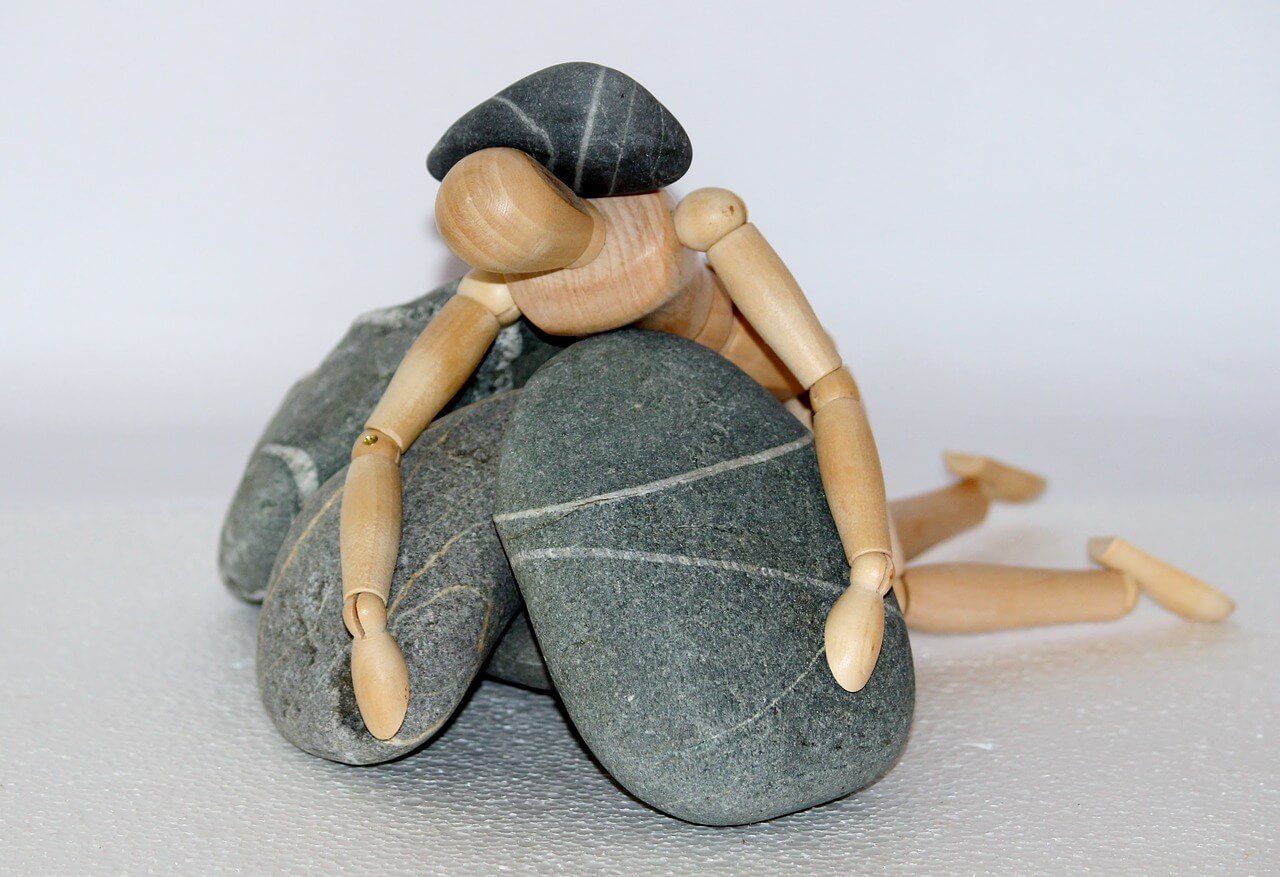
          Stuckness!   Is that a word??  I’m guessing it isn’t but it certainly feels like the right word for me right now.  I suspect that this is partly an ADHD thing (task overwhelm, difficulty prioritising and so on) but there’s something else to it too.  Healing Type 1 Diabetes feels like such a massive task that I sometimes wonder if I’m doing the right thing at all (in terms of actually being successful at healing).

          I could just sit here and write about the lovely new ideas I’ve had for how to heal T1D (there are many!) or produce a theoretical piece on what I think is going on with the condition that is T1D.  But, to be honest, I want to be real and I want to be honest.  When I have healed my diabetes, it will be important to look back on these moments of stuckness (yep, I did use that word again!!) alongside the moments of success.  Other people will want to see that it’s not a straight line journey.
          I do believe that there is something about being stuck that has value.  I think it might be an outward manifestation of what is actually going on inside our bodies.  Somehow, with Type 1 Diabetes, the body gets stuck in this fight-flight-freeze response.  The switch doesn’t get turned off and the body doesn’t reset into a rest-and-repair mode.  So, rather than having the natural waves of rising to the fight-flight-freeze response and then falling back to the rest-repair mode when the stressful event has passed, we are stuck.  The rest of our being will reflect that.  Our physiology will respond accordingly.  Our emotions will respond accordingly.  Our thought processes will respond accordingly.  The whole ecosystem of the human body will resonate with and honour this deceleration.
          I have been looking around for solutions for stuck.  I came across the book ‘The Science of Stuck’ by Britt Frank.  In the book, Britt argues that anxiety is a your way out of stuckness.  You become anxious because your body and mind are trying to alert you to the fact that you are ignoring yourself and not living your authentic life.
          Britt argues that staying stuck can have benefits.  I certainly identify with this.  Staying stuck means that I don’t have to show people I’m struggling or doubting myself or lost or lonely.  Keeping myself at home and doing nothing means that I don’t have to witness myself fail as I attempt to do something I really want to do.  Staying stuck gives me a feeling of safety – that I can’t be criticised or attacked or seen as a disappointment by others when I try something new or reveal more of who I truly am.
          I understand when Britt states that being stuck is a survival response.  It has truly kept me safe for all these years.  But, and this is a big but, it has also stopped me from having more and being more than I am.  It has truly stopped me from knowing who I am.  I have remained  as potential and have yet to try actualising.  I don’t have any idea of how far I might be able to go.  That saddens me.  But it is currently where I sit on this journey.  So I will do my best to honour this and see what comes.

          GET HEALINGT1D’S FUTURE ARTICLES IN YOUR INBOX!

          Get the latest musings and findings straight to your email inbox.

            Picture of Natalie Leader
            Natalie Leader

            Natalie is a blogger with Type 1 Diabetes. Natalie’s special gifts are questioning the status quo and being a rebel. She is using these gifts to question medical ‘knowledge’ and find a true cure for Type 1 Diabetes.
            The content of the HealingT1D website is for educational and information purposes only.  It does not contain medical advice. The contents of this website are not intended to substitute for professional medical advice, diagnosis or treatment. Please always consult with your doctor, physician, or other qualified healthcare professional before making any adjustments to your routine or healthcare regime.  HealingT1D and all associated with it will not be held liable for any risks or issues associated with using or acting upon the information on this site.
            Recent Comments:
          • COVID’s Diabetes Link

            COVID’s Diabetes Link

            Part 3 of the series ‘T1D As An Emotional Response’

            The content of the HealingT1D website is for educational and information purposes only.  It does not contain medical advice. The contents of this website are not intended to substitute for professional medical advice, diagnosis or treatment. Please always consult with your doctor, physician, or other qualified healthcare professional before making any adjustments to your routine or healthcare regime.  HealingT1D and all associated with it will not be held liable for any risks or issues associated with using or acting upon the information on this site.
            **This is the third part of a three-part series examining the link between emotional trauma and the occurrence of Type 1 Diabetes.  You can find the first part here and the second part here.**
            healing curing type 1 diabetes naturally

            Summary: The author recently stumbled upon an article linking COVID-19 with a higher risk of developing Type 1 Diabetes, evoking mixed reactions in her. Though the article was unclear about the type of diabetes cases detected, further research clarified a rise in Type 1 Diabetes cases. This aligns with the author’s theory that Type 1 Diabetes may be a response to trauma, highlighting the significance of trauma healing in healing from the condition.

            I came across this article recently whilst rummaging around the World Wide Web.  It highlighted how people who become infected with COVID-19 are more likely to develop Type 1 Diabetes after the infection.  When I found it, I had two reactions.  The first was actually a bit of ‘I told you so!’.  The second was a feeling of devastation as I thought about all the new people that had just gained membership in the T1D community.

            To be honest, I found the article slightly unclear.  After highlighting the rise in diabetes cases in those who had suffered from COVID-19, it went on to discuss the potential reasons why.  The suggested reasons included both sedentary lifestyles during the pandemic and detecting cases that had as-yet not been found.  These two reasons are indicative of a Type 2 Diabetes diagnosis.  But then the article went on to suggest that the pancreas’ beta cells have been destroyed by the COVID-19 virus.  This would result in a Type 1 Diabetes diagnosis.  The article, unfortunately, did not go on to discuss which type of diabetes was detected.  However, I then found another article, which clearly demonstrates that this rise in cases is for people with Type 1 Diabetes.

            I had anticipated this increase in Type 1 cases.  It supports my theory that Type 1 Diabetes is a trauma response, with the trauma being physical, mental, emotional and/or spiritual in nature.  During COVID-19, the body undergoes a huge bodily trauma and the patient suffering from the COVID may also be undergoing mental and/or emotional trauma as a result of hospital treatment (particularly the isolation that is often imposed on the patient as part of the treatment process).

            The three posts that I have outlined in this series have all explored the correlation between trauma and the onset of Type 1 Diabetes.  For me, this is particularly important because it highlights the importance of trauma healing in the process of reversing Type 1 Diabetes.

            GET HEALINGT1D’S FUTURE ARTICLES IN YOUR INBOX!

            Get the latest musings and findings straight to your email inbox.

              Picture of Natalie Leader
              Natalie Leader

              Natalie is a blogger with Type 1 Diabetes. Natalie’s special gifts are questioning the status quo and being a rebel. She is using these gifts to question medical ‘knowledge’ and find a true cure for Type 1 Diabetes.
              The content of the HealingT1D website is for educational and information purposes only.  It does not contain medical advice. The contents of this website are not intended to substitute for professional medical advice, diagnosis or treatment. Please always consult with your doctor, physician, or other qualified healthcare professional before making any adjustments to your routine or healthcare regime.  HealingT1D and all associated with it will not be held liable for any risks or issues associated with using or acting upon the information on this site.
              Recent Comments:
            • Alexithymia and Its Connection to T1D

              Alexithymia and Its Connection to T1D

              Part 2 of the series ‘T1D As An Emotional Response’

              **This is the second part of a three-part series examining the link between emotional trauma and the occurrence of Type 1 Diabetes.  You can find the first part here and the third part here.**
              The content of the HealingT1D website is for educational and information purposes only.  It does not contain medical advice. The contents of this website are not intended to substitute for professional medical advice, diagnosis or treatment. Please always consult with your doctor, physician, or other qualified healthcare professional before making any adjustments to your routine or healthcare regime.  HealingT1D and all associated with it will not be held liable for any risks or issues associated with using or acting upon the information on this site.
              healing curing type 1 diabetes naturally

              Summary: This article discusses the concept of alexithymia, the inability to express emotions, and its potential link to Type 1 Diabetes (T1D) development. Referring to research and personal observations, the author suggests unexpressed emotions, particularly anger, could contribute to T1D onset. They explore academic studies hinting at a correlation between alexithymia and T1D, highlighting the complexity of emotional processing in diabetes management.

              I was first drawn to the work of Dr Kelly Turner when I read her book ‘Radical Remission’.  This book outlined nine key factors involved in spontaneously healing from cancer.  I believe that Dr Turner actually identified factors that aid the body’s ability to heal from anything, not just cancer.  I wrote a post on it here.

              Whilst I was reading up on Dr Turner’s research, I came across her PhD thesis.  It contains a paragraph of text that I find completely fascinating.  The paragraph is a verbatim transcript from a Japanese oncologist explaining this theory on how cancer is caused.  He states:

              “Cancer is the rear end [final consequence] of alexithymia – losing the sensation of the expression of feelings/emotions…  atherosclerosis, hypertension, diabetes…  all of them same issue – all come from alexithymia.” (Turner, 2010).

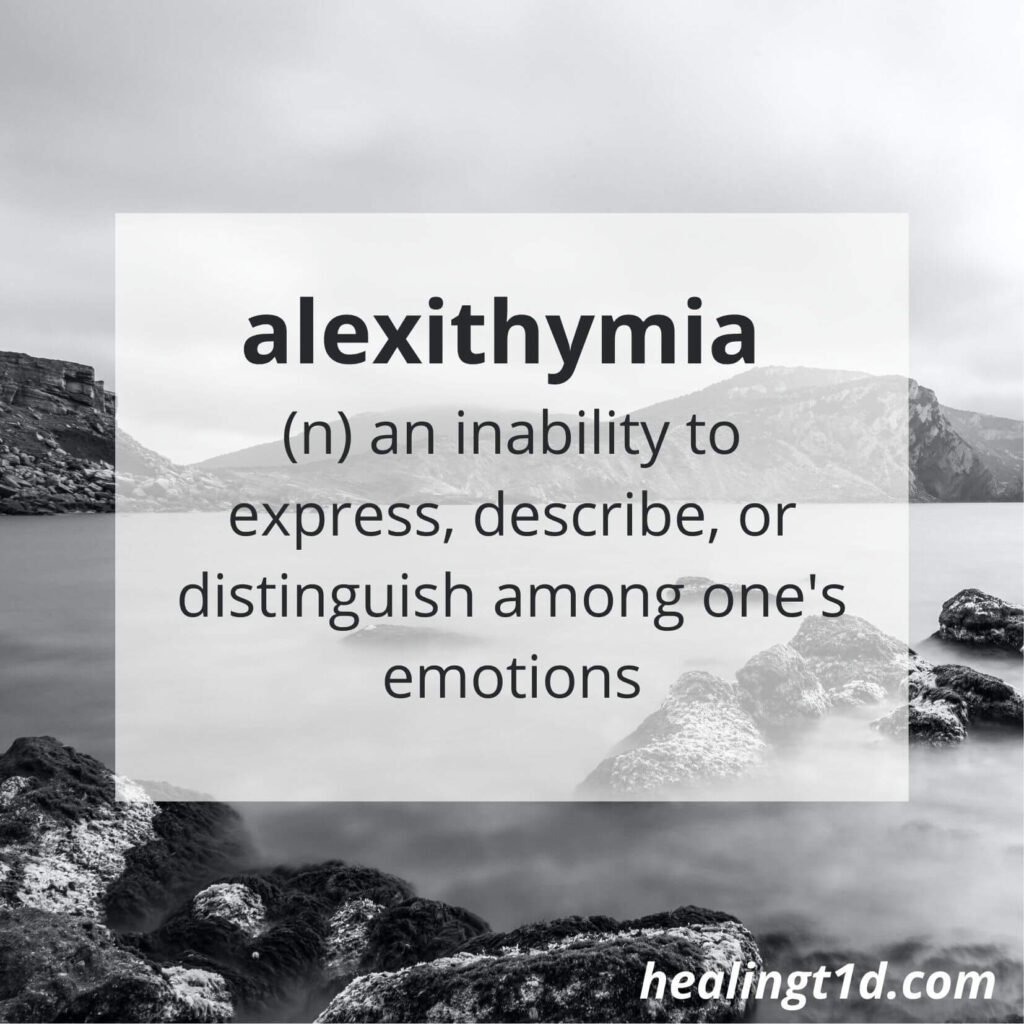
              What Is Alexithymia?

              healing curing type 1 diabetes naturally

              So the Japanese oncologist’s belief is that emotional issues, particularly lack of emotional expression, results in medical conditions like cancer and diabetes.

              Is There Scientific Support for Type 1 Diabetes Resulting From Alexithymia?

              Whilst there are no studies proving that T1D results from alexithymia, there are several academic studies that hint at this relationship.  Here are a few as examples:

              The rates of alexithymia in people currently undergoing T1D seem to range from 22% to 65% in these studies.

              More Weight For My Theory For How Type 1 Diabetes Develops

              I have been theorising for a while that Type 1 Diabetes can result from unexpressed emotions, particularly unexpressed anger.  If a person has a traumatic event take place in their life and they are unable to express how they feel about it, they will keep these emotions inside and the body will need to find a different way to deal with them.  Having alexithymia will definitely decrease a person’s ability to express and process any such emotions.

              If it is the case that unexpressed emotions cause Type 1 Diabetes, a higher rate of alexithymia would be expected in this population.  Saying that, I would not expect it to be a 100% correlation because there is also likely to be a percentage who are generally good at identifying and expressing their emotions (i.e. do not suffer from alexithymia) but, during the time leading up to their T1D diagnosis were prevented from expressing emotions in their usual way.  I can think of a couple of examples to illustrate this.  Firstly, I once met a person undergoing Type 1 Diabetes who became diabetic not long after her mother went back to work.  Her mother had been her main emotional support so, with her mother’s absence, she was unable to process the emotions resulting from her mother’s return to work.  At the time, this child felt abandoned by her mother and, due to her mother being at work, was unable to express it.

              Secondly, I became aware of another Type 1 Diabetic whose father died suddenly and unexpectedly.  He was angry with his father’s sudden disappearance.  [Anger is a completely normal emotion following the death of someone and is the third of seven stages outlined in the well-known ‘Seven Stages of Grief’ by Elisabeth Kübler-Ross, M.D.]  He was unable to process this anger with anyone in his grieving family and therefore the body processed it through a Type 1 Diabetes diagnosis one year later.

              Some Caveats…

              Of course, there are factors that need to be taken into account with the academic finding that there is a link between Type 1 Diabetes and alexithymia.  Firstly, it is not clear whether the alexithymia is present before, or develops after, the Type 1 Diabetes diagnosis.  I can remember many times as a child that I had to ‘suck it up’ when it came to the unfairness of the condition or the problems I had to endure.  Having emotions just got in the way of handling diabetes and therefore I intuitively sidelined them.

              Another potential cause of alexithymia, that would result in it occurring after the T1D diagnosis, is diabetes burnout.  As anyone with T1D knows, managing T1D is highly demanding and can take more energy and life force out of you than you can muster on any given day.  When it all gets too much, you can’t take a day off diabetes care so the only option that is really left is mentally checking out.  Alexithymia could be the consequence of that.

              Whilst no firm conclusions can be drawn from these articles on the relationship between alexithymia and the onset of Type 1 Diabetes, I do find it interesting that there are more than a handful of people asking questions in this area.  I suspect that our intuitions are guiding us towards something that, as yet, we haven’t been able to nail down!

              References:

              Turner, K. A. (2010). Spontaneous Remission of Cancer: Theories from Healers, Physicians, and Cancer Survivors. [Doctoral Dissertation, UC Berkeley].  UC Berkeley Electronic Theses and Dissertations.  https://escholarship.org/uc/item/3px3w4g9.


              GET HEALINGT1D’S FUTURE ARTICLES IN YOUR INBOX!

              Get the latest musings and findings straight to your email inbox.

                Picture of Natalie Leader
                Natalie Leader

                Natalie is a blogger with Type 1 Diabetes. Natalie’s special gifts are questioning the status quo and being a rebel. She is using these gifts to question medical ‘knowledge’ and find a true cure for Type 1 Diabetes.

                The content of the HealingT1D website is for educational and information purposes only.  It does not contain medical advice. The contents of this website are not intended to substitute for professional medical advice, diagnosis or treatment. Please always consult with your doctor, physician, or other qualified healthcare professional before making any adjustments to your routine or healthcare regime.  HealingT1D and all associated with it will not be held liable for any risks or issues associated with using or acting upon the information on this site.
                Recent Comments:
              • A Case Study of Post-Traumatic Type 1 Diabetes

                A Case Study of Post-Traumatic Type 1 Diabetes

                Part 3 of the series ‘T1D As An Emotional Response’

                The content of the HealingT1D website is for educational and information purposes only.  It does not contain medical advice. The contents of this website are not intended to substitute for professional medical advice, diagnosis or treatment. Please always consult with your doctor, physician, or other qualified healthcare professional before making any adjustments to your routine or healthcare regime.  HealingT1D and all associated with it will not be held liable for any risks or issues associated with using or acting upon the information on this site.
                **This is the first part of a three-part series examining the link between emotional trauma and the occurrence of Type 1 Diabetes.  You can find the second part here and the third part here.**
                healing curing type 1 diabetes naturally

                Summary: This post delves into a case study of a 10-year-old Libyan boy who developed Type 1 Diabetes (T1D) after experiencing a bomb explosion. It examines how trauma responses differ in children and suggests T1D could be a physiological extension of trauma. The freeze response and ADHD are also discussed in relation to trauma and T1D.

                During a hunt through various journals for information on Type 1 Diabetes, I recently came across a fairly old article in the The Pan African Medical Journal entitled ‘Post traumatic type 1 diabetes mellitus (insulin-dependent): a case report.

                Type 1 Diabetes Develops After Trauma: A Case Study

                This article really interested me.  It’s the story of a 10 year old Libyan boy who, along with his brother, experienced an explosion from a bomb that was dropped near where they were.  His brother ran off but this boy remained motionless in place, not moving until his father came to collect him some time later.  The next day, this boy started showing signs of Type 1 Diabetes – excess thirst, excess urination and rapid weight loss.  He was diagnosed with Type 1 Diabetes within the week, having had no previous signs of  the condition.

                Children Process Trauma Differently

                This article interested me for four main reasons.  Firstly, I was interested to find that how the author of this paper differentiated stress responses in young children from those of older adolescents and adults.  For older adolescents and adults, the trauma response is likely to be mostly cognitive in nature – nightmares, intrusive memories, flashbacks, limited memory recall and so on.  However, the author suggests that, for children, the symptoms are likely to be more  behavioural in nature – losing recently acquired skills, having more accidents  and reckless behaviour, or more psychosomatic complaints.  So perhaps Type 1 Diabetes can be seen as a further extension of the physiological responses to trauma.  It’s as if the body ends up processing what the mind can’t.

                Type 1 Diabetes As A Freeze Response

                Secondly, I am wondering about the freeze response of this Libyan boy.  Unlike his sibling, who ran off when the shell exploded, he did not.  He froze.  This reminds me of the sessions I had with my osteopath where, prior to treatment, my body exhibited a strong freeze response.  **INSERT ARTCLE**  Is Type 1 Diabetes the response the body takes to survive a freeze response?  Or does the freeze response prevent the body from completing a fight/flight cycle and returned to rest and repair?  Is Type 1 Diabetes therefore purely an extended freeze response, where the individual has been unable to take action to alleviate their pain or suffering?

                ADHD As A Trauma Response

                Thirdly, I was thinking about how this author highlighted that children with trauma may exhibit their post-traumatic anxiety through behaviours such as hyperactivity, distractibility and increased impulsivity.  These are the signs of ADHD!  This author therefore provides an explanation for what I have suspected for a while: that ADHD, like Type 1 Diabetes, is an ongoing bodily response to trauma.  This co-occurrence of Type 1 Diabetes and ADHD has been confirmed in the literature

                Both ‘Big T’ Traumas and ‘Little T Traumas’ Count

                Lastly, I just wanted to emphasise that, whilst this ariticle discuss a trauma of the ‘big T’ variety (see my article here for more info on these different types of traumas **INSERT ARTICLE**), I do not make a distinction between big T and little T traumas in terms of Type 1 Diabetes.  I think both can be equally harmful and have equally deleterious effects on the health of the human body.

                References:

                1. Karrouri, R. (2014).  Post traumatic type 1 diabetes mellitus (insulin-dependent): a case report.  The Pan African Medical Journal, Vol 19, p. 328.  Available at: https://www.ncbi.nlm.nih.gov/pmc/articles/PMC4405069/.

                2. Ai, Y., Zhao, J., Liu, H. et al. (2022).  The relationship between diabetes mellitus and attention deficit hyperactivity disorder: A systematic review and meta-analysis. Frontiers in Pediatrics, Vol 10.  Available at: https://www.ncbi.nlm.nih.gov/pmc/articles/PMC9560781/

                GET HEALINGT1D’S FUTURE ARTICLES IN YOUR INBOX!

                Get the latest musings and findings straight to your email inbox.

                  Picture of Natalie Leader
                  Natalie Leader

                  Natalie is a blogger with Type 1 Diabetes. Natalie’s special gifts are questioning the status quo and being a rebel. She is using these gifts to question medical ‘knowledge’ and find a true cure for Type 1 Diabetes.

                  The content of the HealingT1D website is for educational and information purposes only.  It does not contain medical advice. The contents of this website are not intended to substitute for professional medical advice, diagnosis or treatment. Please always consult with your doctor, physician, or other qualified healthcare professional before making any adjustments to your routine or healthcare regime.  HealingT1D and all associated with it will not be held liable for any risks or issues associated with using or acting upon the information on this site.
                  Recent Comments:
                • Type 1 Diabetes and The Menstrual Cycle

                  Type 1 Diabetes and The Menstrual Cycle

                  PCOS And Its Improvement Over Time

                  The content of the HealingT1D website is for educational and information purposes only.  It does not contain medical advice. The contents of this website are not intended to substitute for professional medical advice, diagnosis or treatment. Please always consult with your doctor, physician, or other qualified healthcare professional before making any adjustments to your routine or healthcare regime.  HealingT1D and all associated with it will not be held liable for any risks or issues associated with using or acting upon the information on this site.
                  healing curing type 1 diabetes naturally

                  Summary: Today’s post focusses on something relevant to those who identify as female: the menstrual cycle.  The author discusses Type 1 Diabetes and menstrual cycles, including recounting struggles with PCOS, including severe symptoms that significantly improved over time, possibly due to pregnancy and enhanced insulin sensitivity.

                  I was shocked to find out today (thanks to this journal article) that the rate of Type 1 Diabetes is 1.8 times higher in those that are biologically male than it is in those that are biologically female.  I guess, having grown up in a family with Type 1 Diabetes just in the female line, I had a bit of a gender bias with my assumption here.  I thought that the split would be at least even between the genders.  I have been corrected!  So, this article may not apply to a fair percentage of people reading this blog but, for those that it does, I feel it’s really important to write.

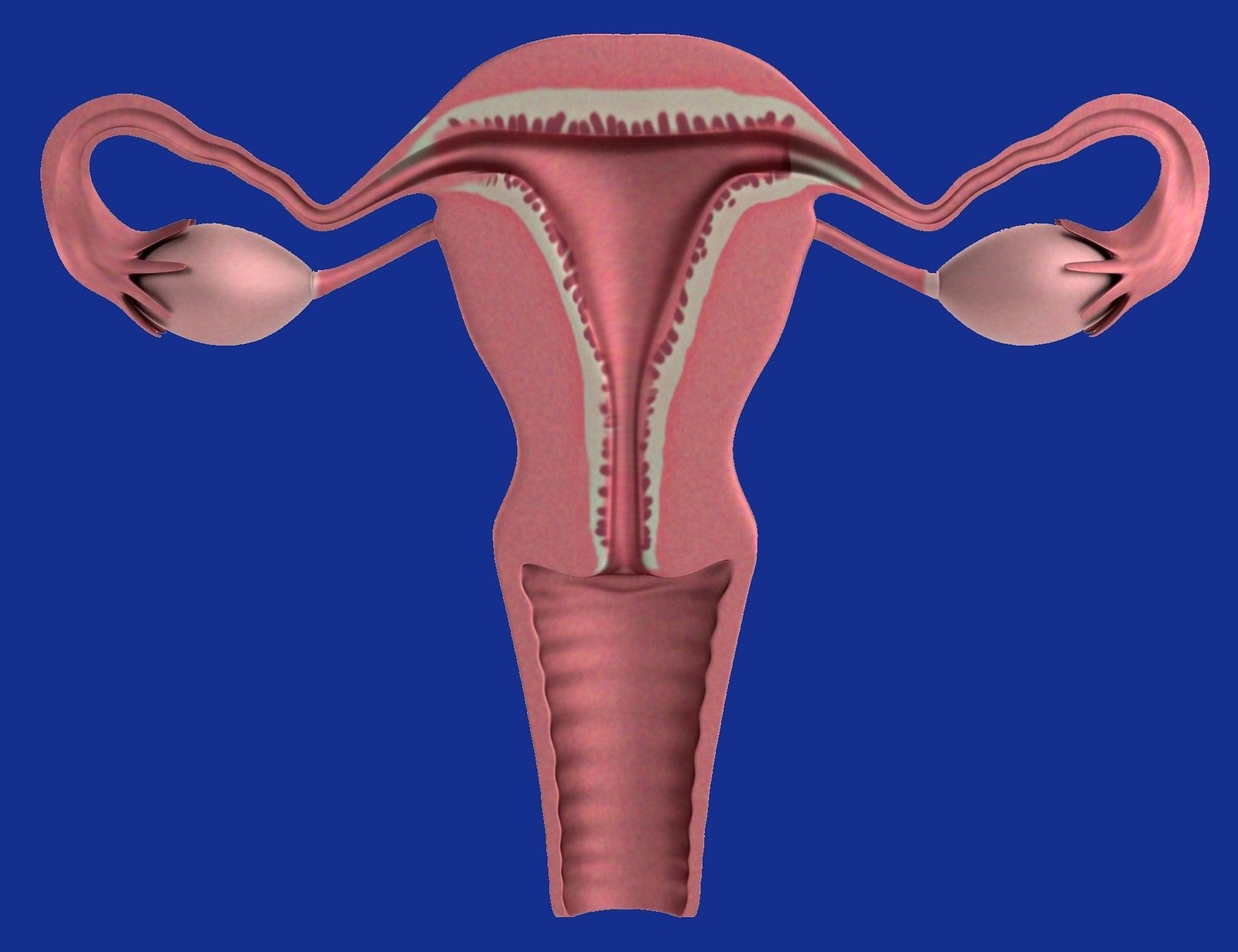
                  Today, I am talking about Type 1 Diabetes and the menstrual cycle.  I haven’t exactly had an easy time of things in this area during my lifetime.  My periods arrived late (something that is not uncommon in those with Type 1 Diabetes **ARTICLE**).  This led to several visits to a gynaecologist, who diagnosed me with Polycystic Ovarian Syndrome (again, not uncommon in Type 1 Diabetes **ARTICLE**).  Then, the fun really started.  The periods that I had became almost unbearable.  The highlights included:

                  • bleeding that lasted two weeks straight
                  • so much blood that I once had to stay on the toilet for fives days straight
                  • irregular bleeds (something else that is much more common in people with Type 1 Diabetes)
                  • years without periods
                  • and such out of control emotions that, whilst in a premenstrual period, I screamed so badly at one of my school friends that she never spoke to me again.  

                  Not fun.  Looking back on that time now, I believe that a fair amount of the dramatic symptoms I had could be linked to, or directly attributed to, my Polycystic Ovarian Syndrome (PCOS).  

                  Healing Polycystic Ovarian Syndrome

                  At the time of diagnosis, it was explained to me that PCOS is an incurable condition.  So I battled on with the symptoms, took birth control to regulate myself and shrugged my shoulders about my lot in life.  Well, now I don’t have PCOS.  I had a scan a couple of years ago for an unrelated issue and was told that I did not have it.  There are no cysts on my ovaries at all and my ovaries are a normal size.  Of course, at that time, I was told that I must have been misdiagnosed the first time around.  (I didn’t ask the consultant at this time if I had also been misdiagnosed at the second, third, fourth, fifth, sixth and seventh scans and also during all of my pre-pregnancy planning with my medical team!).

                  I still have some excess facial hair but, beyond that, I have nothing to report.  My periods are regular (I mostly have a 28 to 30 day cycle each month).  The only exception to this is when I am particularly stressed out, which results in higher insulin levels and more insulin for my system.  I have no excessive symptoms throughout my cycle – no pain, no cramping, no excessive bleeding, no other disruptions or inconveniences.  

                  What Do I Believe Healed My Polycystic Ovarian Syndrome?

                  I think it was two things.  Firstly, I believe that getting pregnant really helped. I remember once hearing Victoria Beckham (yep, the Spice Girl) once say that her PCOS healed when she had her first baby, Brooklyn.  I think there’s something about pregnancy that presses the reset button on the female reproductive system.  So there’s that.  But that’s not exactly convenient for those that would like to get rid of their PCOS without the long-term commitment of raising a human to adulthood!  So…  

                   Secondly, I believe the reduction in my insulin requirements has also contributed to improving my PCOS. In my teens and twenties, I needed 16-18 units of Novorapid per meal and 22 units of Lantus nightly. Today, despite being heavier, I only require 2-4 units per meal and 12-16 units at night. This change is solely due to decreased insulin resistance rather than weight loss.
                   

                  What factors contributed to this increased sensitivity? Essentially, everything I do to promote a healthier and happier lifestyle. These practices, which I extensively discuss on my blog, enhance my overall well-being. Unsure where to begin? Start with something that resonates with you. Avoid adding stress by forcing activities you don’t genuinely want to do, as stress exacerbates insulin resistance.

                  Type 1 Diabetes with a Regular(ish) Menstrual Cycle

                  Now that I am on a regular 28- to 30-day cycle, I still have challenges with varying insulin resistance at times.  This has become even more clear to me since I have eliminated the gluten and dairy.  Both gluten and dairy were triggering inflammation in my system and, as I have been banging on about for ages, inflammation causes insulin resistance…  Just think of how much more insulin you have when you have the flu or tonsillitis or any other such lovely.  After all, that’s what the sick day rules of diabetes were created for!

                  Now that I have eliminated the gluten and dairy, it has become more obvious to me that there are more predictable fluctuations in my insulin needs over the course of each menstrual cycle.  Even with insulin resistance in the mix, I was already aware of the need for extra insulin during the week before my period (when I say more, I mean DOUBLE!).  However, more subtle variations are now becoming more evident.  To understand this in context, I’m going first need to divert for a moment to talk about the various phases of the menstrual cycle.

                  The Four Phases Of The Menstrual Cycle

                  A healthy menstrual cycle consists of four main phases.  Whilst every woman is different and one woman’s periods can fluctuate in duration from one month to the next, the following is a guide of what the phases of the menstrual cycle may look like:

                  Days 1-5: Menstruation Phase

                  This is the ‘time of the month’ when the uterus lets go of its lining and a blood flow is observed.  This bleed usually lasts for between three and seven days each month.  Levels of oestrogen and progesterone are at their lowest levels during this phase of the menstrual cycle.

                  Days 6-14: Follicular Phase

                  During this phase, the uterus builds a thick lining in preparation for receiving the ovum (or egg) that will be released from the ovary in the coming days.  In this phase, oestrogen typically rises whilst progesterone levels stay low.

                  Days 15-19: Ovulatory Phase

                  It is during this phase that an ovum is developed and then released into the uterus, ready to be fertilised by an sperm that are present.  Both oestrogen and progesterone rise during this phase, peaking at the time just before ovulation.

                  Days 20-28: Luteal Phase

                  Assuming the ovum is not fertilised by a sperm, at this point the lining of the uterus is shed and the levels of oestrogen and progesterone fall back down to their lowest levels, preparing the body for menstruation.

                  Varying Insulin Resistance Caused by Oestrogen and Progesterone

                  In terms of blood sugar levels during the menstrual cycle, there are two key players that affect insulin resistance.  These are oestrogen and progesterone.  oestrogen is understood to decrease insulin resistance (increase insulin sensitivity).  Progesterone is understood to increase insulin resistance (decrease insulin sensitivity).  So, with fluctuating levels of BOTH of these hormones during the entirety of the menstrual cycle, less predictable blood sugar readings are to be expected.  Here is what I have found:

                  Day 1 of my period: My insulin resistance dramatically switches off sometime during this day.  My insulin requirement halves.  It’s hard not to end up with an unexpected hypo (or elevated blood sugars for a large part of the day) with this unpredictable switch.

                  Days 2 – 4: my insulin sensitivity is high.  I need half to two-thirds of my ‘usual’ Novorapid doses.  Hypos are not unexpected territory here.

                  Days 5-8: usual insulin sensitivity (and therefore blood sugar control) is resumed.

                  Days 11-14: somewhere in this mix, my insulin requirements increase.  This is in-line with the release of the ovum.  This release increases two hormones LH and FSH, which are known to cause brief periods of insulin resistance.

                  Days 15-23: my blood sugars are stable here and my insulin requirements are in the normal range.  

                  Days 24-28: my insulin resistance is THROUGH THE ROOF!  I need more bolus (double!) and basal insulin.  I also appear to be more sensitive to carbohydrates…   My body reacts sharply and dramatically to any carbohydrates I eat.  The progesterone is by far the biggest player in this blood sugar pattern, with the lowering effect of the oestrogen appearing to be insignificant or absent in my case.  I also have strong carbohydrate cravings at this time.  I believe these cravings are due to my body not being able to access the glucose already in my bloodstream because my insulin levels are not sufficient as a result of the dramatic insulin resistance.  Nice Catch-22 there!

                  I have learnt that my period pattern is substantiated in the medical literature.  As an example, Barata et al. (2013) clearly demonstrated that blood sugar control is markedly different between the follicular and luteal phases, with more insulin being required in the latter half of the menstrual cycle.

                  I haven’t, as yet, got to the point where I can predict with any degree of certainty what insulin requirements I might have on each day of my cycle.  It’s still a bit hit-and-miss.  But, now having a clearer picture of what my cycle is doing and how my insulin requirements change over each few days of my cycle, I have more hope than I did.  I will report back with what I learn!

                  GET HEALINGT1D’S FUTURE ARTICLES IN YOUR INBOX!

                  Get the latest musings and findings straight to your email inbox.

                    Picture of Natalie Leader
                    Natalie Leader

                    Natalie is a blogger with Type 1 Diabetes. Natalie’s special gifts are questioning the status quo and being a rebel. She is using these gifts to question medical ‘knowledge’ and find a true cure for Type 1 Diabetes.

                    The content of the HealingT1D website is for educational and information purposes only.  It does not contain medical advice. The contents of this website are not intended to substitute for professional medical advice, diagnosis or treatment. Please always consult with your doctor, physician, or other qualified healthcare professional before making any adjustments to your routine or healthcare regime.  HealingT1D and all associated with it will not be held liable for any risks or issues associated with using or acting upon the information on this site.
                    Recent Comments:
                  • Gluten Sensitivity

                    Gluten Sensitivity

                    Its Impact On Health And Healing

                    The content of the HealingT1D website is for educational and information purposes only.  It does not contain medical advice. The contents of this website are not intended to substitute for professional medical advice, diagnosis or treatment. Please always consult with your doctor, physician, or other qualified healthcare professional before making any adjustments to your routine or healthcare regime.  HealingT1D and all associated with it will not be held liable for any risks or issues associated with using or acting upon the information on this site.
                    healing curing type 1 diabetes naturally
                    Summary: The author, navigating a journey of healing, now confronts gluten sensitivity alongside her prior dairy intolerance. Gluten, prevalent in wheat-based foods, triggers mood symptoms. Eliminating gluten has markedly enhanced the author’s insulin sensitivity and overall wellbeing, highlighting its profound impact on managing Type 1 Diabetes and promoting health.

                    The next step on my healing journey has become about food again.  Having identified my problem with dairy two years ago, I have now discovered that gluten is also a problem for me.

                    What Is Gluten?

                    Gluten is a protein (a long-chain amino acid) that is found in cereals like wheat, rye and barley.  These cereals are found in a wide range of processed foods today, including bread, rolls, croissants, pasta, breakfast cereals and beer.  Because gluten is a core component of flour, it is also commonly added to soups, sauces and salad dressings, as well as a whole host of recipes served in restaurants.

                    What Is The Difference Between Gluten Sensitivity And Coeliac’s Disease?

                    Gluten sensitivity is a label given to people who struggle to process gluten.  There are three main kinds of gluten sensitivity: coeliac disease, non-coeliac gluten sensitivity and wheat allergy.  This article will briefly discuss coeliac disease but its main focus will be non-coeliac gluten sensitivity.

                    Coeliac disease is a condition that results from a person’s immune system reacting to digested gluten.  It triggers an autoimmune response that produces antibodies to the gluten.  These antibodies end up damaging the lining of the small intestine.  This damage results in the small intestine being unable to process food and can lead to malnutrition.  Whilst coeliac disease is a genetically-inherited condition, symptoms may not present themselves until adulthood.  There is a higher incidence of coeliac disease in the Type 1 Diabetes population, with approximately 8% of the population also having coeliac.  

                    Interestingly, this article on coeliac disease highlights a correlation between gut microbiome presentations and the development of coeliac disease.  I firmly believe that Type 1 Diabetes is, at heart, the result of a gut issue so it would therefore not be a long stretch to have coeliac disease also present in the diabetes population.

                    By comparison, non-coelic gluten sensitivity (NCGS) is not an autoimmune condition.  Whilst the body is still reacting to gluten, there is no antibody reaction and damage to the small intestine does not occur.  However, NCGS does cause the body to release more of a protein called zonulin, which can break down the gut lining anyway and cause leaky gut syndrome (see an excellent explanation here).  This is particularly important for Type 1 Diabetes because it has been found in recent years that this increased gut permeability allows gluten to cross the intestinal barrier.  These gluten peptides then may induce stress in the insulin-producing beta cells of the pancreas and therefore put more pressure on these cells.  More pressure then leads to faster burnout of the beta cells and thus faster inducement of Type 1 Diabetes.  Indeed, research has shown that following a gluten-free diet during pregnancy reduces the risk of Type 1 Diabetes in offspring.

                    What Are The Symptoms Of Gluten Sensitivity?

                    The most commonly noted symptoms for non-coelic gluten sensitivity (NCGS) are diarrhoea, bloating and gas.  I did not have any of these (well, it turns out that I had a lot of internal gas but none of it ever made its presence known!).  Therefore, I believe that a more comprehensive list of symptoms of NCGS should read as follows:

                    • Diarrhoea
                    • Bloating
                    • Gas
                    • Stomach aches
                    • Stabbing headaches behind the eyes
                    • Exhaustion
                    • Nausea
                    • Feeling low in mood, particularly feeling defeated and devastated without environmental reasons
                    • Retching
                    • Runny nose (I thought it was a hayfever reaction)
                    • Cough (always comes on within 20 minutes of eating gluten)
                    • Brain fog (I just can’t really think too well!)

                    How Can Gluten Sensitivity Be Diagnosed?

                    NCGS is harder to diagnose than coeliac disease because there is no recommended methods to diagnose and test for this condition. Today, diagnosis results from a process of eliminating other possible diagnoses.  Firstly, a reaction to gluten must be noted.  Usually, this is done via a food log.  Each time gluten is eaten, any reactions need to be noted down, along with the timing of these symptoms.

                    If a pattern emerges in symptoms following digestion of gluten, investigations for wheat allergies and coeliac’s disease must be conducted first to eliminate these as explanations for the symptoms.  This will be undertaken via a surgical procedure.  For two weeks prior to the procedure, gluten needs to be consumed in adequate quantities to provoke any potential reactions.  I underwent a full and thorough upper and lower gastroscopy, with multiple samples being taken.  The results came back as negative for all tests undertaken.  My digestive tract appeared generally healthy and no sign of coeliac’s disease was present.  Therefore, the only cause left to explain my symptoms was non-coeliac gluten sensitivity.

                    My Gluten Story

                    Looking back on my life, I suspect that my non-coeliac gluten sensitivity may have always been present. As a child, every Wednesday, my parents would cook me Spaghetti Bolognese for dinner and then send me off to Brownies for an hour. The problem was, I mostly hypo’d my way through Brownies. My father would inject my insulin when I ate but it would always hit in before the carbohydrates from the spaghetti got into my bloodstream. In the end, he solved this problem by waiting until I got back from Brownies before giving me my injection.

                    But why did I digest the spaghetti so slowly? I suspect that what was happening there was my gluten intolerance. Spaghetti is high in gluten and my stomach (or complete digestive tract) struggled to process this protein, thus causing it not to be available in the bloodstream when the insulin arrived. But this was not the only clue I had.

                     I had a test for coeliac disease some twenty years ago. I can’t quite remember why I asked for this but I guess, on some subconscious level, I knew something wasn’t quite right. I had a full colonoscopy and was found to not have coeliac’s disease (there was no destruction of my small intestine). I was, however, found to have a lot of food still left in my stomach at the time of the procedure, despite following the required starving period beforehand. My doctor at the time suggested that I had gastroparesis (delayed stomach-emptying) and left it at that. No further investigations were conducted at that time.

                    But a suggested diagnosis of gastroparesis didn’t make sense. My blood sugar would usually react within ten to fifteen minutes of eating some food. That isn’t slow digestion. But these carbohydrates could have been coming from sugar or from rice or from vegetables – sources of carbohydrates that do not contain gluten. I think that that gastroparesis was actually a demonstration of my body’s inability to process gluten (and perhaps also the dairy) that I was eating at that time. It was all just backlogged in my stomach.

                    What About You?

                    Could you also be someone with Type 1 Diabetes who has a food intolerance (or two!).  Do you have any of these symptoms?  They can be subtle or easily dismissed but they may be extremely important to your healing.  I believe that healing asks us to lean in closer to our bodies and really listen and understand what it is asking for.  Is your body asking for release from gluten toxicity too?

                    Watch out for subtle signs.  Watch out for mood swings (or anxiety or depression) that are sporadic and/or unexplained by life circumstances.  Watch out for that runny nose or that cough that just doesn’t make sense in the context of your life.  Please don’t become paranoid, just become curious.  Your healing could be in those subtle signs.

                    Life After Gluten

                    Having now (mostly) removed gluten from my diet, I have witnessed something extraordinary.  My insulin sensitivity for meal times has increased dramatically!  I now take 50-75% less insulin per meal, for the same amount of carbohydrates (from 4-5 units of Novorapid to 1-2 units per meal).  I also have reduced my basal by 25% (from 16 units to 12 units).  My body mass has not changed and neither have any of my habits or activity levels.  Just the removal of gluten.  I am also less tired.  I have more energy.  No more headaches.  No more bloating or farting (so far!).  Not a lot of low mood (apart from at the full moon – more on that later!).

                    I’m wondering whether this reduction in insulin levels is because I now have less inflammation (see previous article) in my system.  I liken it to when you’re ill.  When sickness sets in, blood sugar levels rise.  Hence the ‘sick day rules’ that are handed out at hospital check-ups.  This is due to increased inflammation in the system during the illness.  Gluten causes the same effect in me.  So, by removing that inflammation, less insulin is needed to maintain blood sugar levels.

                    Grieving The Loss Of Gluten

                    Don’t misunderstand me.  I am not finding giving up gluten easily.  I really feel like I’m grieving its loss.  I have already (mostly) given up dairy and am reaping the benefits from that.  But I feel like, with each elimination, I’m walking towards a future that is just going to have vegetables in it.  I love cake (the occasional piece!).  And bread.  And good pasta (preferably in Italy!!).  And gluten-free bread just doesn’t cut it when compared to a soft fluffy roll or a beautiful freshly-baked baguette.  (If you’re struggling too, I have found the Warburton’s Gluten-Free range to be some of the best out there so far.)

                    Healing is a process.  I know that I felt a similar grief when I stopped dairy.  I have found a balance with that now where, when I really miss it, I pay the price and have a piece of dairy-laden cake (instead of the not bad dairy-free equivalent!).  It takes time.  Healing takes time.  It’s a process, not a destination.  Every day I don’t eat gluten and dairy, I feel better, I feel alive, I feel energised.  So it’s actually a choice towards health and vitality, rather than a move away from foods  love.  It’s a move towards bringing myself towards alignment and being who I am truly meant to be.  And that’s worth it.

                    GET HEALINGT1D’S FUTURE ARTICLES IN YOUR INBOX!

                    Get the latest musings and findings straight to your email inbox.

                      Picture of Natalie Leader
                      Natalie Leader

                      Natalie is a blogger with Type 1 Diabetes. Natalie’s special gifts are questioning the status quo and being a rebel. She is using these gifts to question medical ‘knowledge’ and find a true cure for Type 1 Diabetes.

                      The content of the HealingT1D website is for educational and information purposes only.  It does not contain medical advice. The contents of this website are not intended to substitute for professional medical advice, diagnosis or treatment. Please always consult with your doctor, physician, or other qualified healthcare professional before making any adjustments to your routine or healthcare regime.  HealingT1D and all associated with it will not be held liable for any risks or issues associated with using or acting upon the information on this site.
                      Recent Comments:
                    • Self-Compassion

                      Self-Compassion

                      Self-Acceptance Leads Promotes Health

                      The content of the HealingT1D website is for educational and information purposes only.  It does not contain medical advice. The contents of this website are not intended to substitute for professional medical advice, diagnosis or treatment. Please always consult with your doctor, physician, or other qualified healthcare professional before making any adjustments to your routine or healthcare regime.  HealingT1D and all associated with it will not be held liable for any risks or issues associated with using or acting upon the information on this site.
                      healing curing type 1 diabetes naturally

                      Summary: In her journey with Type 1 Diabetes, the author initially avoided self-compassion, fearing it would hinder her productivity. Encouraged by Kristin Neff’s book, she discovered its benefits—lowering glucose levels and promoting well-being. Embracing self-kindness, recognising shared humanity, and practicing mindfulness, she found self-compassion crucial for self-acceptance and proactive health choices, leading towards healing.

                      Self-compassion.  Urgh.  A topic like this is one that I steered away from for many years.  I had the attitude that self-compassion was the route to self-destruction because, after all, if I’m being kind to myself, I’ll just likely slack off (even more!) from whatever I’m doing and get less and less achieved with this short life of mine.  I spent my twenties running at full pelt and feeling continually frustrated that I just wasn’t getting enough done.  Whatever ‘enough’ meant!!

                      I think part of that was a kind of survivor’s guilt.  Every time I survived a hypo, I felt it was a message to me that I had survived this and therefore had something important to do in my life.  I also felt that I had an I.O.U. for whomever was standing around me at the time I passed out.  Their stress was owed something in return.

                      As you can probably tell, self-compassion has probably been the bottom item on my to-do list for a very long time.  So why am I writing this blog post now?  I guess those times are a-changing!

                      I have just read Kristin Neff’s book ‘Self-Compassion: The Proven Power of Being Kind to Yourself’.  It was recommended to me a while back by a coach I was working with.  As is usual for when I read a book, I picked it up and flicked through it, then chose another book to flick through instead!  But something kept calling me back to it.  I guess my inner workings (for those with a spiritual outlook, I would use the term ‘soul’) called me back to it.  My soul knew there was a message in there for me.  And there was.

                      When I sat down to read this book, my interest was immediately sparked by this quote:

                      “MSC [Mindful Self-Compassion] increases…  physical health (one study with diabetes patients found it reduced glucose levels).” (p. viii in Neff, 2021)

                      Wow!  So practising self-compassion gives me a tool to reduce my glucose levels and therefore reduces the amount of insulin I’ll need to take on a daily basis…?  This seemed like a worthwhile tool to add to my armoury, my way of life, for getting off of insulin.

                      What Is Self-Compassion?

                      Kristin Neff (2021. p. 41) has found from her research that self-compassion comprises three elements:

                      1. Self-kindness

                      2. Common humanity

                      3. Mindfulness

                      To be self-compassionate, is to live a life that engages these qualities most of the time.  I will therefore discuss each of these qualities now.

                      Self-Kindness

                      “Self-kindness… means that we stop the constant self-judgment and disparaging internal commentary that most of us have come to see as normal…  It [also] involves activelycomforting ourselves, responding just as we would to a dear friend in need.” (Neff, 2021, p. 42).
                      I don’t know about you, but this has always been pretty tough for me to do.  I have been very critical of myself in all areas of my life, never feeling I measured up to whatever ludicrously high standard I set for myself.  But I have got better at this over time.  I don’t criticise and judge myself like I used to.  I give myself grace.  I am learning to love myself properly.

                      I do not, however, yet actively comfort myself when in need.  Kristin Neff (pp. 49-50) highlights how self-hugging is a really effective tool for soothing ourselves.  It releases oxytocin, which calms cardiovascular stress and increases feelings of love and bonding (see my post here on hugging).  On top of this, self-soothing (and therefore self-hugging) also switches off the fight-or-flight response, which is responsible for increasing blood pressure, adrenaline and cortisol in our system (Neff, 2021. p. 48) (see my post here for more information on the fight-flight response).

                      We already know that cortisol and adrenaline cause body tissues to be less sensitive to insulin so insulin resistance increases, plus a spike in these neurotransmitters also causes a release of more glucose from the liver.  A double hit to our blood sugars!  So a self-hug is the protective measure against these.

                      Common Humanity

                      “The second fundamental element of self-compassion is recognition of the common human experience.” (Neff, 2021, p. 61).

                      When we ponder this for a while, we can see that we can’t blame ourselves for our failures.  The person we are today has been created by a million previous experiences.  How we react to today is constructed from the inputs of ourselves and other people in previous times.  So how can blame ourselves for our reactions, our outlook, our fears, even the people we love.  We are so entwined with the rest of the world that this portioning out of blame is nonsense.  Saying that, that does not mean we are free from personal responsibility and accountability.  We can still play our part, and should play our part, in our lives.  We still have an impact on others that should be considered.  But, where that impact is less than desirable, self-compassion is necessary. As Kristin Neff (2021. p. 65) said: 

                      “If we can compassionately remind ourselves in moments of falling down that failure is part of the shared human experience, then that moment becomes one of togetherness rather than isolation.”
                      Interestingly. this idea immediately reminded me of Dr Kelly Turner’s work on healing.  During her research, she found that both spirituality and social support were key components in healing.  I believe that this concept of self-compassion picks up on these two qualities of the healing field.

                      Mindfulness

                      The last component of self-compassion that Kristin Neff (2021) has identified through her research is mindfulness.  She defines this as:

                      “the clear seeing and nonjudgmental acceptance of what’s occurring in the present moment”.  (p. 80)

                      In those moments of rage, despair, anger, fatigue, when maybe our behaviour does not reflect the soul we truly are, we need to first see that we are suffering.  Our pain comes from suffering.  Kristin Neff (2021, p. 81) highlights the crucial difference: that of needing to focus on our pain caused by the failure, not the failure itself.  I know personally that, in the heat of the moment, when tempers are high, this is so hard to do.  But I guess that this is where the first two components come in…  If I can be kind to myself in those moments, rather than judgemental, and if I can see that this happens to all humans, not just me, then I suspect that it will then be easier to be mindful of the pain that I am suffering in that moment.  It is then that I can reach for self-love, rather than self-hate.  As Kristin Neff (2021, p. 113) puts it:

                      “We balance the dark energy of negative emotions with the bright energy of love and social connection”.

                      Practices That Promote Self-Compassion

                      Kristin Neff’s (2021) book is full of examples of ways to practice self-compassion in our lives.  It also contains a series of specific exercises that enable us to access this state.  For these alone, I highly recommend buying this book.  Some of my favourites (noted here as a memory prompt for me!) are:

                      1. Practising Metta (loving-kindness) meditation (Neff, 2021, pp. 211-212)
                      2. Silent prayer
                      3. Solitary walks in the woods
                      4. Becoming aware of the physical sensations in the body during times of stress or distress (Neff, 2021, p. 112)
                      5. The Pleasure Walk exercise (Neff, 2021, p. 253)

                      Type 1 Diabetes And Self-Compassion

                      I believe that having self-compassion is particularly challenging when you have Type 1 Diabetes.  There are many overt and covert judgements that are made throughout your life with this condition.  These include judgements about:

                      1. How well or not well you are deemed to be controlling your diabetes
                      2. Any additional health issues that arise out of this condition
                      3. What you are or are not eating at any point in time
                      4. How much you weigh
                      5. At doctors appointments, where you are told how you can do better or what you have done ‘wrong.
                      6. Developing T1D in the first place.

                      To stand in the face of these criticisms and be okay with yourself is a true act of self-love and self-compassion.  It is a choice for peace and happiness in your life and acceptance of what is.  That self-compassion then enables you to choose health and wellbeing for yourself and choose the proactive behaviours that support that desire (Neff, 2021, p. 12).  And that can lead to healing.

                      Metta

                      Kristin Neff (2021) offers several versions of Metta, a kind of loving-meditation practice, in her book.  However, I choose to end this article with a version I was given by a yoga teacher many years ago.  I offer this to you with love and compassion:

                      Simply recite this to yourself, preferably on a daily basis but whenever you can, to give more compassion to yourself and others in the world.   Try to really feel that love and compassion as you recite each verse:

                      For yourself, recite:

                      May I be happy and peaceful.

                      May I be healthy and at ease.

                      May I be able to take care of myself joyfully.

                      May I possess the wisdom, courage, and determination to meet and overcome problems and obstacles in my life.

                      Then, for someone you really respect who is not a partner or family member:

                      May they be happy and peaceful

                      May they be healthy and at ease

                      May they be able to take care of themselves joyfully

                      May they possess the wisdom, courage, and determination to meet and overcome problems and obstacles in life.

                      Next, a beloved family member:

                      May this family member (name) be happy and peaceful

                      May they be healthy and at ease

                      May they be able to take care of themselves joyfully

                      May they possess the wisdom, courage, and determination to meet and overcome problems and obstacles in life.

                      Next, a neutral person:

                      May this neutral person (name) be happy and peaceful

                      May they be healthy and at ease

                      May they be able to take care of themselves joyfully

                      May they possess the wisdom, courage, and determination to meet and overcome problems and obstacles in life.

                      Next, all beings:

                      May all beings be happy and peaceful

                      May all beings be healthy and at ease

                      May all beings be able to take care of themselves joyfully

                      May all beings possess the wisdom, courage, and determination to meet and overcome problems and obstacles in life.

                      Lastly, return again to the self:

                      May I be happy and peaceful.

                      May I be healthy and at ease.

                      May I be able to take care of myself joyfully.

                      May I possess the wisdom, courage, and determination to meet and overcome problems and obstacles in my life.

                      Metta. xx

                      Bibliography:

                      Neff, K. (2021).  Self-Compassion: the proven power of being kind to yourself.  Great Britain: Yellow Kite.

                      GET HEALINGT1D’S FUTURE ARTICLES IN YOUR INBOX!

                      Get the latest musings and findings straight to your email inbox.

                        Picture of Natalie Leader
                        Natalie Leader

                        Natalie is a blogger with Type 1 Diabetes. Natalie’s special gifts are questioning the status quo and being a rebel. She is using these gifts to question medical ‘knowledge’ and find a true cure for Type 1 Diabetes.
                        The content of the HealingT1D website is for educational and information purposes only.  It does not contain medical advice. The contents of this website are not intended to substitute for professional medical advice, diagnosis or treatment. Please always consult with your doctor, physician, or other qualified healthcare professional before making any adjustments to your routine or healthcare regime.  HealingT1D and all associated with it will not be held liable for any risks or issues associated with using or acting upon the information on this site.
                        Recent Comments: