Category: Physical Wellbeing

  • Béchamp and Pasteur

    Béchamp and Pasteur

    The Origins of Our Current Formulation of the Human Body
    The content of the HealingT1D website is for educational and information purposes only.  It does not contain medical advice. The contents of this website are not intended to substitute for professional medical advice, diagnosis or treatment. Please always consult with your doctor, physician, or other qualified healthcare professional before making any adjustments to your routine or healthcare regime.  HealingT1D and all associated with it will not be held liable for any risks or issues associated with using or acting upon the information on this site.
    healing curing type 1 diabetes naturally

    Summary: Ethel D. Hume’s book ‘Béchamp or Pasteur? A Lost Chapter in the History of Biology’ challenges  the conventional medical wisdom that is influenced by Louis Pasteur’s germ theory. Instead, Hume promotes Antoine Béchamp’s holistic approach. Hume’s argument is still relevant today, urging reconsideration of medical paradigms like Type 1 Diabetes treatment.

    I have just finished reading the book ‘Béchamp or Pasteur? A Lost Chapter in the History of Biology’ by Ethel D. Hume.  This book has challenged the way we think about our own bodies and the ‘illness’ of Type 1 Diabetes that our doctors tell us we have.

    About The Book: Hume’s Attitude

    Hume’s book is an exposé about the very beginnings of the germ theory of modern medicine. At the root of this issue, Hume argues, is the conflicting views and theories of two groups of scientists. The first group was led by the French chemist and microbiologist Louis Pasteur (after whom ‘pasteurisation’ – a preservation technique used up to the present day that uses heat to eliminate bacteria and thus extend the shelf-life of products – is named).

    The second group was led by his contemporaneous counterpart, and eventual adversary, Antoine Béchamp. Hume argues that medicine of today has been led astray by the erroneous, and sometimes fabricated, experimental results of Louis Pasteur. Hume believed that Pasteur’s conclusions have been accepted into the mainstream largely because Pasteur, unlike Béchamp, was a fabulous self-promoter who yearned for fame and glory in the scientific, and worldwide, community. He therefore promoted his findings as widely as he could (including to Napoleon III at Tuileries Palace in 1863!) and thus became sanctified in medical knowledge.

    By contrast, Béchamp was a very unassuming man who did excellent scientific work but who was more retiring when it came to promoting his works widely. Unfortunately, he felt that his works would speak for themselves and that this was be sufficient. This turned out to not be the case.

    On top of blaming Pasteur’s arrogance and self-promotion, Ethel Hume also believes the lack of appreciation of Béchamp’s works can also be blamed on mankind as a whole for not being clever enough to not be led astray…

    “the majority of mankind, ignorant of the cytological elements, have been delighted with a crude theory of disease which they could understand, and have ignored the profound teaching of Professor Béchamp.” (Hume, 1923/2017, p. 219)

    This book was not a happy book to read.  I didn’t come away feeling fulfilled in any way.  Not just because the content is complicated and, at times, hard to grasp.  But also because Ethel Hume writes with such detest for Pasteur that I felt her argument at times descended into a bit of a moan fest about all that Pasteur had done wrong and how the wonderous, honourable Béchamp had been side-swiped.  Indeed, she goes as far as to conclude her book with a final sentence that calls Pasteur a ‘fraud and charlatan’ (Hume, 1923/2017, p. 343)!  I wish she had had a bit more of the discernment that her hero Béchamp demonstrated!

    The Pasteur/Béchamp Balance: The Need for Béchamp’s Work Today

    I understand Ethel Hume’s desire to redress the balance that she feels has been left out-of-balance by Pasteur’s wrongdoings but I feel that Béchamp’s work could have stood on its own in the debate, without such emphatic declarations of fraud and wrongdoing on Hume’s part.  However, this book was published over 100 years ago, in 1923.  I am aware that scientific writings in that time, such as those written by Freud, were as much personal writings as they were scientific proofs, a fine blend of friend-to-friend analogies and stories combined with excerpts of scientific rigour and experimental findings.  Therefore, perhaps I am being unfair in expecting something more scientifically robust and emotionally neutral of a writer from this  time period. 

    My view on the validity of the contributions to medical knowledge of Pasteur and Bechamp are also not as one-sided as Hume.  I believe that modern medicine needs both the germ theory of Pasteur and the environmental and corporeal contribution to health that Béchamp argued for.  After all, without Pasteur’s germ theory, there would be no antibiotics to treat viral infections and infected wounds.  The bubonic plague that killed 50 million people in the 14th century would not have had such a devastating impact if antibiotics were available then! 

    However, I am equally aware that the plague of the today’s world is chronic illness, with the World Health Organisation (WHO) estimating that noncommunicable diseases (otherwise known as chronic illnesses) ‘kill 41 million people each year, equivalent to 74% of all deaths globally’.    Of these, WHO states that 2 million are killed by diabetes (please note, though, that there is no delineation between the different types of diabetes in this figure).  Perhaps a medical science based on Béchamp’s understandings would have taken us to a different point today, where more answers would have been found for chronic diseases, but maybe fewer for bacterial infections. 

    Progress Between Then And Now

    What is particularly interesting about this piece of writing, considering the timeframe within which it was written, is how little progress we have really made between then and now in terms of developing a more holistic view of the human body. We’re still dominated today by a medical viewpoint that is looking for the germ or the piece of DNA or the bodily cell that has ‘gone wrong’ and needs ‘fixing’. We still believe that the illness is caused by something in the body (unless it something more obvious like, say, an allergy, but even then it is the body’s reaction to the stimulus that is ‘wrong’ rather than the presence of the allergen in the first place!).

    The medical community mostly does not consider the environment (both internally and externally) of a patient and how that may be contributing to the illness or disease. For this reason, I feel it was worth leaning more closely towards this book’s contents and considering what may be gleaned for us today, searching to understand the highly medicalised version of Type 1 Diabetes in a new way.

    With this attitude in place, I am going to try to outline the scientific theories of Pasteur and Béchamp, as outlined in this book, and then draw them into perspective for the relevance for Type 1 Diabetes today.

    Pasteur’s Argument: All Illnesses Are Caused By Germs

    Both Pasteur and Béchamp were involved in the discovery and theorisation of what has become known as ‘germ theory’ today.  Pasteur’s views and conclusions are the ones that have become a central tenet of the ethics of modern, mainstream medicine.  Pasteur argued that the all illnesses are caused by germs that infiltrate the body:

    “For Pasteur… there is no spontaneous disease; without microbes there would be no sickness, no matter what we do, despite our imprudence, miseries and vices!” (Hume, 1923/2017, p. 218)

    In Pasteur’s view, we are not responsible for our diseases, they ‘happen’ to us through the arrival of germs into our lives.  By contrast, Béchamp provided multiple paths to consider in the development of disease (or dis-ease, perhaps!).  I shall look at each of these in turn now.

    Béchamp’s Alternative: Illnesses Are A Result Of The Bodily Environment

    Béchamp took the polar opposite view to Pasteur.  His rigorous scientific research gave rise to the conclusion that it is the environment itself, that which the cell is surrounded by, which will determine whether or not the cell develops a disease.  Béchamp postulated that multiple factors could influence this environment.  The first contributing factor that Hume highlights Béchamp considered as important in the development of illness was the place where the disease started:

    “Diseased microzymas should be differentiated by the particular group of cells and tissues to which they belong, rather than the particular disease condition with which they are associated.” (Hume, 1923/2017, p. 243)

    This belief is in alignment with the ancient practice of Tantra.  Tantra outlines seven chakras of the body, which are understood to be centres in the body that are of physiological and psychical importance.  In diabetes, it is believed that the third chakra, known as the Solar Plexus, is blocked.  Thus, the energy of the cells and tissues surrounding the pancreas is disrupted and it is this disruption in the energy of the cells that is believed to contribute to the illness of diabetes that prevails.

    I believe that this postulation of Béchamp’s (that environment matters) is key.  We are so focussed on trying to ‘fix the disease’ of diabetes, to find ways to get the beta cells doing what they should be doing.  But what about providing the right environment so that the beta cells decide of their own accord to switch back to producing insulin?  How do we create the environment so that they do that?  Ethel Hume hints at an answer:

    “In place of the modern system of treating the phantom of a disease-causing entity, and trying to quell it by every form of injection, scientific procedure on Béchamp’s lines would be to treat the patient taking into account his personal situation and characteristics; for those depend upon his anatomical elements, the microzymas, which, according to Béchamp, build up his bodily frame, preserve it in health [and] disrupt it in disease” (Hume, 1923/2017, p. 247).

    Béchamp’s Role For Nutrition

    As well as the environment that the diseased cells exist in, Hume highlighted how Bechamp’s work has led his collaborators to also question the role that nutrition plays in the health of the body:

    “Is the supply of these little living bodies in the food essential to the continued vitality of human beings, or is it not?…  He [Lord Geddes] thought there was the possibility – many think the extreme probability – that the presence of these little living bodies in the food is essential to health.” (Hume, 1923/2017, p. 259)

    Whilst I am yet to hear that food is rich in these ‘little bodies’ (microzymas), I do not think it is a stretch too far to consider the role of food in our health, in order to create the ideal bodily system within which our beta cells can prosper and produce insulin again. 

    Béchamp’s Belief That Cells Can Revert To Their Primary Function

    Indeed, my previous discussion about how delta cells can turn back into insulin-producing beta cells (see here) aligns perfectly with Béchamp’s early theories about the reversal of disease within microzymas:

    “Similar observations had already been made by Professor Béchamp, who, with his collaborators, had demonstrated the connection between a disturbed state of body and the disturbed state of its indwelling particles, which, upon an unfavourable alteration in their surroundings, are hampered in their normal multiplication as healthy microzymas and are consequently prone to develop into organisms of varied shape, known as bacteria.  Upon an improvement in their environment, the bacteria, according to Béchamp’s view, may through a process of devolution return to their microzymian state, but much smaller and more numerous than they were originally.” (Hume, 1923/2017, pp. 275-276)

    Whilst Béchamp’s work obviously focussed on bacteria and diseases that result from them, I do not feel it is particularly far-fetched to wonder if the same process may not be at work in ‘non-diseased’ cells, such as the beta cells that are so infamously “broken” in Type 1 Diabetes.  As such, could these ‘smaller and more nuemours’ cells that Hume speaks of be the ‘abnormal gene’ that Daniel Darkes (link) was found to possess after his Type 1 Diabetes was healed…?

    Béchamp’s Role For Beliefs In Health

    Although slightly unrelated to the work of Béchamp that so far been discussed in this book, Hume continues her discussions on the implications of Béchamp’s work by outlining a case study of two men exposed to a disease called hydrophobia (known today as ‘rabies’):

    “Two young Frenchmen were bitten at Havre by the same dog in January 1853.  One died from the effects within a month, but before this the other young man had sailed for America, where he lived for fifteen years in total ignorance of the death of his former companion.  In September 1868, he returned to France and learned of the tragedy, and then himself developed symptoms; within three weeks he was dead of hydrophobia! (Hume, 1923/2017,p. 291)

    Even though I wasn’t particularly sure how this case study fitted in with Béchamp’s work, I found it fascinating in its own right.  This example beautifully illustrates the importance of our beliefs in the trajectory of illnesses.  As people with Type 1 Diabetes, we are led to believe by our medical practitioners that we have an incurable and potentially life-limiting disease and that this disease has only one outcome: a horrible decline towards death.  For us, therefore, our beliefs around Type 1 Diabetes need to be tackled.  Hume argues that ‘the avoidance of fear is… of fundamental importance after a dog bite’.  I would argue that the avoidance of fear is fundamental for any illness, whether bacteria-driven or ‘autoimmune’.

    My Thoughts Going Forward

    I think what has been re-emphasized to me as I read my way through this book was how divided medicine has become and how much that might affect those of us with chronic illnesses, like Type One Diabetes. This divide reminds me of the ancient yet ongoing debate in psychology about the extent to which genes and environment contribute to psychological development and psychological distress. I suspect that this ‘nature versus nurture’ debate is exactly mirrored in the ‘Béchamp versus Pasteur’ debate. If so, I believe that psychology may be giving us a sneak preview of where this debate might lead to.

    Psychology has now got to the point of admitting that the answer to the question ‘Is it nature or nurture?’ is ‘Yes’! The field of epigenetics has really helped here. It has demonstrated that genes are adaptable to environmental inputs. So, while you may have a particular genetic predisposition to a certain condition, the environment within which you find yourself (or create for yourself) is likely to impact, or even overrule, the genetics. Why should this be any different for physical illnesses? In that scenario, you may develop an illness that is provoked by your environment, but then why could the illness not be ‘switched off’ by changing these provoking environmental factors?

    Perhaps medical science of today just hasn’t been sufficiently considering the environment within which a patient gets sick so they have not been looking for the environmental triggers that need to be removed.

    In this book, Hume cited quotes by Florence Nightingale and Pidoux, both of which I want to leave you with now as I believe they so fantastically summarise my views in this post.

    “Disease is born of us and in us” (Pidoux, cited in Hume, 1923/2017, p. 218)

    “For disease, as all experience shows, are adjectives, not noun substantives” (Florence Nightingale, as cited in Hume, 1923/2017, p. 245)

    So let us change our states, our current adjectives to describe our current selves, and find a new health in our lives today.

    Bibliography:

    Hume, E. D. (2017). Bechamp or Pasteur?  A Lost Chapter in the History of Biology.  [First published in 1923.]  London: Distant Mirror.

    GET HEALINGT1D’S FUTURE ARTICLES IN YOUR INBOX!

    Get the latest musings and findings straight to your email inbox.
      Picture of Natalie Leader
      Natalie Leader

      Natalie is a blogger with Type 1 Diabetes. Natalie’s special gifts are questioning the status quo and being a rebel. She is using these gifts to question medical ‘knowledge’ and find a true cure for Type 1 Diabetes.


      The content of the HealingT1D website is for educational and information purposes only.  It does not contain medical advice. The contents of this website are not intended to substitute for professional medical advice, diagnosis or treatment. Please always consult with your doctor, physician, or other qualified healthcare professional before making any adjustments to your routine or healthcare regime.  HealingT1D and all associated with it will not be held liable for any risks or issues associated with using or acting upon the information on this site.
      Recent Comments:
    • Why Are We ‘Fighting’ Type 1 Diabetes?

      Why Are We ‘Fighting’ Type 1 Diabetes?

      Healing Comes From Compassion, Not Battle

      The content of the HealingT1D website is for educational and information purposes only.  It does not contain medical advice. The contents of this website are not intended to substitute for professional medical advice, diagnosis or treatment. Please always consult with your doctor, physician, or other qualified healthcare professional before making any adjustments to your routine or healthcare regime.  HealingT1D and all associated with it will not be held liable for any risks or issues associated with using or acting upon the information on this site.
      healing curing type 1 diabetes naturally

      Summary: Raised in a family of linguists, language has always been central in the author’s life. Recently, the language around Type 1 Diabetes caught her attention. Observing the prevalent metaphor of ‘battle’ and ‘fight’ in discussions about diabetes, she reflects on her own journey to acceptance and peace with her body, advocating for a healing shift from conflict to compassion.

      I was raised in a family of linguists.  Both of my parents studied languages at university, as did myself, my brother and my sister after them.  We’ve always played with and thought about language in our family.  Recently, the language of Type 1 Diabetes has been playing in my mind.  

      The ‘Battle’ Of Type 1 Diabetes

      I have noticed that, when I speak to fellow Type 1 diabetics, they often talk about their daily fight, their battle, the war that they’re waging.  They talk about winning and losing with their Type 1 Diabetes.  They talk about their thirst for victory, their desire to win (or just not lose!).  

      At diagnosis, we hear about how our immune system has ‘attacked’ our beta cells.  We learn about the ongoing fight we will have with our blood sugars from that time.  We learn we need to be brave and strong to take on this fight.  And we’re most certainly told we won’t always win.
      One quote I found that wonderfully highlights this fight dynamic that is so intrinsic to our view of diabetes in the modern world.  Bret Michaels, the lead singer of Poison and star of VH1’s ‘Rock of Love’, has Type 1 Diabetes.  He was once quoted as saying:

      “Every day is an absolute battle. I don’t care what anyone says. You have to wake up and say to yourself, ‘I accept that I have diabetes, and I’m not going to let it run my entire life.”

      You can hear the conflict in his words.  The fight, the ‘me versus my body’ that exists here.  I know I had it too.  I used to cry to my parents as a child that I didn’t want to do this fight anymore, that my diabetes would always win.  I definitely saw my diabetes as something other than me.  It was an alien force in my body that needed exterminating or at least suppressing.  

      Put Down Your Sword, Dear Commrade

      I’ve noticed, as my life has progressed, this battle doesn’t seem to exist anymore.  I no longer see my body as faulty.  I don’t feel I’m at war with it anymore.  Sure, I don’t always like it.  I do still look in the mirror and not always like what I see.  But I have developed a respect for my body now.  And I think that respect is key in returning to holistic health – the kind of health that I feel is required for healing to take place.  Everyday now, I reach for health in all areas of my life – physically, mentally, emotionally and spiritually.  I no longer want to change the body I have.  I’ve come to a place of peace and welcomed diabetes into my state of being.  
      I feel the battle with our bodies needs to be stopped if healing is ever going to occur.  If we believe that we are fighting our bodies, then peace cannot exist in our cells.  Our body will replicate the fight-or-flight response that mirrors our language and belief systems.  So healing will take place in a body that is at peace.

      Reduce The Fight, Reduce Inflammation

      There is some support in the medical literature for the idea of needing peace in the body for healing to occur.  This, after all, is what ‘inflammation’ is – the body telling its immune system to respond to a foreign object, germ, bacteria or other irritant.  One cause of inflammation is stress in all its forms.  So reducing stress, including the  emotional stress of the pain, anger and frustration caused my diabetes, will reduce inflammation in the body.
      So next time you talk to your body, make it words of love and peace.  Show it gratitude and appreciation for all that it does do right.  And forgive it for the diabetes it currently has.  I honestly believe it’s the best option the body had to choose from at the time that it developed.

      GET HEALINGT1D’S FUTURE ARTICLES IN YOUR INBOX!

      Get the latest musings and findings straight to your email inbox.

        Picture of Natalie Leader
        Natalie Leader

        Natalie is a blogger with Type 1 Diabetes. Natalie’s special gifts are questioning the status quo and being a rebel. She is using these gifts to question medical ‘knowledge’ and find a true cure for Type 1 Diabetes.

        The content of the HealingT1D website is for educational and information purposes only.  It does not contain medical advice. The contents of this website are not intended to substitute for professional medical advice, diagnosis or treatment. Please always consult with your doctor, physician, or other qualified healthcare professional before making any adjustments to your routine or healthcare regime.  HealingT1D and all associated with it will not be held liable for any risks or issues associated with using or acting upon the information on this site.
        Recent Comments:
      • Reflection and Gratitude

        Reflection and Gratitude

        Having Come So Far

        The content of the HealingT1D website is for educational and information purposes only.  It does not contain medical advice. The contents of this website are not intended to substitute for professional medical advice, diagnosis or treatment. Please always consult with your doctor, physician, or other qualified healthcare professional before making any adjustments to your routine or healthcare regime.  HealingT1D and all associated with it will not be held liable for any risks or issues associated with using or acting upon the information on this site.
        healing curing type 1 diabetes naturally

        Summary: Reflecting on her journey, the author embraces a moment of peace and gratitude for her progress. From struggling with mental health and physical ailments to finding healing through therapy and personal growth, she celebrates being free from depression, anxiety, and other conditions. She now lives optimistically, cherishing life’s blessings and feeling at peace with herself.

        I’m taking a moment just now to be reflective, be still and at peace.  I am pausing to take notice of where I am now.  To notice just how far I’ve come.  I think it becomes really easy on a healing journey to spend so much time looking at the end goal – that panacea of health, whatever that may be for you or me – that we forget to be thankful for everything that has already happened and that we have already achieved.  I guess this post is one of gratitude for all the ways that I have served my own higher good and my own blossoming health.

        Looking Back To Where I Was

        I am thinking back to the teenager I was.  I was angry.  I got dressed in black everyday.  I didn’t want to mix with the majority of people in the world.  I didn’t care about my diabetes.  I didn’t care about my health.  From here, things only got worse.  By my twenties, my mental health had descended into a very deep, dark pit.  I was so depressed that I couldn’t get out of bed for weeks at a time.  I was so anxious that just walking down to the corner of my street, about 50 metres, was too much for me.  I was trapped both in my mind and in my house.  

        As well as Type 1 Diabetes, clinical depression and clinical anxiety, I had polycystic ovarian syndrome, temporomandibular jaw dysfunction and recurrent infections.  I spent a lot of my time seeing doctors.  None of them seemed to be able to offer me anything more than temporary relief from symptoms.
        I carried my victim status in all my interactions.  I felt the world was out to get me.  I felt the medical profession was my enemy.  I felt God had abandoned me.
        I wasn’t really aware at that time just how much I had come undone.  I carried on until I couldn’t carry on anymore.  I then got help.  I started with psychotherapy.  I saw multiple therapists over a ten-year period.  Some helped some.  Some didn’t help at all.  One changed my life.  Actually, he enabled me to change my life.  That was the start of a thousand steps on my road of healing.

        Gratitude For The Now

        I am sitting here today, free of mental health issues.  I have safely weaned myself off antidepressants.  No anxiety, no depression remain.  I no longer have temporomandibular jaw dysfunction.  I rarely see any doctors or need to (apart from my usual diabetes check-ups).  I eat well.  I move well.   I am optimistic about life.
        I suspect that my inability to just sit down is rooted in my nervous system too.  My twitchiness, my desire to always move and ‘do’ seems indicative of a fight-or-flight reaction.  If you’re being stalked through the trees by a predator (or your body thinks that’s the case), you’re not just going to kick back and stargaze, are you?!
        I have put down my victim mentality and picked up grace instead.  I am grateful for all that life has given me.  I am grateful for the woman it has enabled me to become.  I am grateful for all the opportunities that life presents.  I am grateful for the peace in my heart and the love that surrounds me.  I’ve gone from continually reassuring myself, pleading with myself, that I’m ‘not a bad egg’ to telling myself that life is good.  And really feeling that in my heart.  I am healing.  I am well.  Life is good.
        healing curing type 1 diabetes naturally

        GET HEALINGT1D’S FUTURE ARTICLES IN YOUR INBOX!

        Get the latest musings and findings straight to your email inbox.

          Picture of Natalie Leader
          Natalie Leader

          Natalie is a blogger with Type 1 Diabetes. Natalie’s special gifts are questioning the status quo and being a rebel. She is using these gifts to question medical ‘knowledge’ and find a true cure for Type 1 Diabetes.

          The content of the HealingT1D website is for educational and information purposes only.  It does not contain medical advice. The contents of this website are not intended to substitute for professional medical advice, diagnosis or treatment. Please always consult with your doctor, physician, or other qualified healthcare professional before making any adjustments to your routine or healthcare regime.  HealingT1D and all associated with it will not be held liable for any risks or issues associated with using or acting upon the information on this site.
          Recent Comments:
        • The Beauty of Rest

          The Beauty of Rest

          Fight-Flight To Rest-Repair

          The content of the HealingT1D website is for educational and information purposes only.  It does not contain medical advice. The contents of this website are not intended to substitute for professional medical advice, diagnosis or treatment. Please always consult with your doctor, physician, or other qualified healthcare professional before making any adjustments to your routine or healthcare regime.  HealingT1D and all associated with it will not be held liable for any risks or issues associated with using or acting upon the information on this site.
          healing curing type 1 diabetes naturally
          Summary: In her reflection on relaxation, the author admits to neglecting it after her blood pressure normalised. Recognising the historical significance of rest in healing, she aims to reintroduce relaxation into her daily routine. Despite feeling guilty, she acknowledges the necessity of rest for transitioning her body from fight-flight to rest-repair for her healing journey.

          I’m calling myself out!  You see, when I wrote my post on ‘High Blood Pressure’, I said that I was going to start resting properly.  I promise I did start doing that.  I was doing my good solid 30 minutes of re-lax-ation.  But I then found out my blood pressure was back to normal so the rest stopped too.  But shouldn’t I still be doing this?  Don’t my mind and body deserve this?  Don’t we all deserve this, sick or not?!

          Relaxation In Ancient Times

          In Ancient Greece, an important part of a healing journey was the act of leaving your normal environment in order to seek out a sanctuary for rest and recuperation.  Similarly, in Victorian times, it was considered standard practice to spend time by the sea or in a spa or bath house to restore oneself.  What has happened to this today?  Life today is too focused on being rushed and hurried, being productive and conquering to-do lists.

          I am choosing to take a quarter-turn (perhaps more!) away from my to-do list.  I’m starting to choose to sit in the sun (topping up my Vitamin D as I do so) or read a few more pages of that novel.

          The Need For Rest

          In today’s particularly hurried and harried world, rest needs more prioritisation.  Adequate rest enables your body to switch from a state of fight-and-flight to rest and repair.  It signals to your body that it is safe and satiated, that nothing externally needs to be done so work on maintaining and healing your internal systems can take place.  Thus, for healing any kind of illness, including Type 1 Diabetes, rest is compulsory.  It’s a non-negotiable.

          When you rest, your parasympathetic nervous system is activated.  The parasympathetic nervous system is the branch  of the autonomic nervous system that is responsible for the rest and repair of your body.  We want this one in action as much of the time as possible.  Our resting facilitates this branch.

          The Discomfort Of Rest

          The thing is…  I feel guilty every time I rest.  As a wife, mother, homemaker, blogger, friend…  I always feel like there is more I need to be doing.  I can’t seem to give myself permission to rest until everything else is done.  Sitting down on the sofa surrounded by the mess of an unfinished tidy-up is just not something I can do with ease.
          I suspect that my inability to just sit down is rooted in my nervous system too.  My twitchiness, my desire to always move and ‘do’ seems indicative of a fight-or-flight reaction.  If you’re being stalked through the trees by a predator (or your body thinks that’s the case), you’re not just going to kick back and stargaze, are you?!
          healing curing type 1 diabetes naturally
          For a long time, my self-esteem and my self-worth, even feeling that I existed at all, came from what I did in my day.  I guess you could say my raison d’être was ‘I do therefore I am’.  If I had ticked jobs off my to-do list, accomplished a lot, I felt I had earned the rest.  This old trauma response is ingrained.  I need to learn to honour my need for rest.  I need to learn to sit with myself in that moment, just as I am.  I think trauma takes you away from an ability to sit with yourself in any form – mentally, physically, emotionally, or spiritually.  Sitting down and just being, rather than doing, is necessary for my healing now.

          This may sound counterproductive but, for now at least, I’ve put relaxation on my to-do list!  It’s now one of my daily tasks.  I’m going to have to condition my body back into the idea of relaxation.  It feels a bit like the starting stages of meditation.  You know how it is…  That first time you meditate, you try so, so hard to stop thinking that you spend all your time thinking about how you shouldn’t be thinking…!!

          Returning Home
          I have now started to rest.  But it’s painful.  Yes, that’s right.  I struggle to rest.  But it’s getting easier.  I am saying no to that extra task (or ten extra tasks).  I am ensuring I have a whole day each week with no agenda items.  I am also taking naps in the sun.  I am taking time to read a rubbish book.  I have dug out old jigsaws that I haven’t done for years.  Most importantly, I am taking the time out to show my body that I am not fighting anymore and it doesn’t need to either.
          Now that I live in the Middle East, I am finding myself in a country with a slower  pace of life.  People don’t rush here.  Things happen, things may not happen.  Someone may drop by, they may not.  And all is good.  As I reflect back on how fast-paced my life used to be, it reminds me of a conversation I had with a friend not long after moving out here.  He kindly provided some feedback to my driving style.  He explained that I was switching lanes too fast when on the motorway (a pace that would be considered perfectly normal in the UK!).  He said that local drivers wouldn’t anticipate my ‘quick’ lane changes and that I was therefore more at-risk for an accident.  I had to train myself to indicate for longer and transition over the white line at a much slower pace.  It has taken time, but I move more slowly now.  I hover and pause as I cross the line.  I have allowed my car to flow at pace with the cars around me.  And now I am encouraging my body and mind to do the same.

          Sleep

          I am still having some struggles with sleep.  Don’t get me wrong…  When I’m in bed, I’m usually out like a light.  But it takes me a long time to get up those stairs to my bedroom.  I procrastinate or, as my husband would say, Dilly and Dally come out to play!  I think there are a few reasons for this.  Firstly, the godforsaken Netflix.  It still sucks me in, despite my best efforts.  The combination of the blue light it produces plus the never-ending jump to the next episode makes it hard to switch off.  Secondly, there is also a desire to “just get one more thing done” before I get to bed.  That is the trauma response.  The need to justify rest.  The need to persuade myself it’s safe enough, everything is safe enough in my world, for me to go to sleep.

          Andrew Weil, in his book ‘Spontaneous Healing’, argues for the importance of rest in healing.  I completely agree with him.  However, his discussion of rest focuses solely on sleep.  Whilst I agree that sleep is important (see my post on sleep here!), I think rest needs to extend beyond that, into the waking hours of life too.  
          I have two dogs. I believe that they are incredible role models in the way that I should live my life.  Being creatures of the wild (their grandmother was a wild-born dog), they have not been influenced by the modern world, by Netflix and to-do lists.  And they sleep.  They rest.  Their meals and exercise are provided as required.  So, the rest of their time, they sleep and rest.  They play.  They enjoy belly rubs.  They don’t feel the slightest need to do anything more than that.  And they’re happy.  

          Extending Rest

          I recently discovered Matthew Edlund’s book on ‘The Power of Rest’.  He outlines a 30-day plan for effecting rest in your life.  Whilst the plan itself did not call to me (why rest for 30 days only?!), what did stay with me was the five different types of rest that he stated are needed in our lives.  These are: sleep, physical rest, mental rest, social rest and spiritual rest.  Matthew Edlund outlines various activities that fall under each of these headings, including meditation, power naps, walking with a friend and so on.  For this content alone, I think this book is wholly worthwhile.
          Going forward from here, I feel that I need to dedicate some time to considering how to percolate rest, in all its forms, throughout my days.  Activities such as gratitude, breathing, yoga, meditation and laughter as forms of relaxation are likely to be content in future posts! 

          GET HEALINGT1D’S FUTURE ARTICLES IN YOUR INBOX!

          Get the latest musings and findings straight to your email inbox.

            Picture of Natalie Leader
            Natalie Leader

            Natalie is a blogger with Type 1 Diabetes. Natalie’s special gifts are questioning the status quo and being a rebel. She is using these gifts to question medical ‘knowledge’ and find a true cure for Type 1 Diabetes.
            The content of the HealingT1D website is for educational and information purposes only.  It does not contain medical advice. The contents of this website are not intended to substitute for professional medical advice, diagnosis or treatment. Please always consult with your doctor, physician, or other qualified healthcare professional before making any adjustments to your routine or healthcare regime.  HealingT1D and all associated with it will not be held liable for any risks or issues associated with using or acting upon the information on this site.
            Recent Comments:
          • Exhaustion

            Exhaustion

            Perhaps A Response to Re-Feeding…?

            The content of the HealingT1D website is for educational and information purposes only.  It does not contain medical advice. The contents of this website are not intended to substitute for professional medical advice, diagnosis or treatment. Please always consult with your doctor, physician, or other qualified healthcare professional before making any adjustments to your routine or healthcare regime.  HealingT1D and all associated with it will not be held liable for any risks or issues associated with using or acting upon the information on this site.
            healing curing type 1 diabetes naturally

            Summary:  In her quest to heal from Type 1 Diabetes, the author imagined a journey of steady improvement but found herself facing unexpected setbacks. Despite her careful approach to avoid COVID-19, persistent exhaustion now plagues her, possibly due to a post-viral reaction, though she had no initial symptoms. Caroline Dooner’s insights on re-feeding fatigue resonate more with her experience, aligning with her transition from freeze to flight responses in pursuit of healing.

            When I pictured healing from Type 1 Diabetes, I saw this wonderful image of me gorgeously improving in all areas of my life and flowing towards this wholeness that was natural and at peace.  I thought the steps I took would make sense and that each step would build on the one before.  Yep, that is not at all what I’m finding!  Instead, I feel pretty exhausted.  I feel unhealthy.  I feel like I’m taking steps backwards on my journey.  My life force, my chi, seems to have deserted me!

            My exhaustion comes in waves but spends more time present in my body than absent.  My body aches with fatigue for long periods each day.  I asked my GP about this and his theory is that me, and a large swathe of the population, are suffering a post-viral reaction to an undetected level of COVID-19.  I got sick without symptoms and am now suffering the consequences of that.  He says that he is seeing a massive swathe of people each day in his clinic that are complaining of exhaustion.  A post-viral reaction makes sense to him.

            A post-viral reaction doesn’t make sense to me.  I have been super careful about catching – not catching – COVID-19.  I also don’t believe that I would have absolutely zero symptoms apart from the post-effects.  Surely, if my body is reacting to something, it would react to the illness at every stage with both symptoms and a post-symptom effect??

            For me, what makes much more sense is the explanation that Caroline Dooner provides in her book ‘The F*ck It Diet’.  (I wrote here about this book and my experience of it.)  Caroline explains that, when you start re-feeding your body, you are likely to encounter a period of fatigue, which could last for a period of months.  She explains how this re-feeding enables the body to transition from a fight-flight response to a rest-repair response.  It makes sense to me.  My osteopath also has said (see my blog post here) how I am moving from a freeze response to a flight response.  In my mind, I see that a body transitions from freeze to fight/flight to rest/repair.  (I hope to get into this later using the work of Peter Levine to illustrate this.)  So my body is transitioning towards a rest-repair phase and is consuming my physical and mental energy reserves to do it.

            I have to say that my healing journey has really not been anything like I anticipated it to be.  Rather than being a smooth build-up of healing experiences, it feels more like driving on a bumpy road along a mountain range, with the road switching back on itself frequently and sometimes not being able to see the summit at all.  I do hold great optimism and I do feel my health, both physical and mental, improving with each month.  It is that feeling that I hold onto when my drive along the road doesn’t seem to be tallying at all with my road map.

            GET HEALINGT1D’S FUTURE ARTICLES IN YOUR INBOX!

            Get the latest musings and findings straight to your email inbox.

              Picture of Natalie Leader
              Natalie Leader

              Natalie is a blogger with Type 1 Diabetes. Natalie’s special gifts are questioning the status quo and being a rebel. She is using these gifts to question medical ‘knowledge’ and find a true cure for Type 1 Diabetes.

              The content of the HealingT1D website is for educational and information purposes only.  It does not contain medical advice. The contents of this website are not intended to substitute for professional medical advice, diagnosis or treatment. Please always consult with your doctor, physician, or other qualified healthcare professional before making any adjustments to your routine or healthcare regime.  HealingT1D and all associated with it will not be held liable for any risks or issues associated with using or acting upon the information on this site.
              Recent Comments:
            • Dry Skin Brushing

              Dry Skin Brushing

              Exfoliate, Drain Lymph, Increase Circulation and Reduce Stress

              The content of the HealingT1D website is for educational and information purposes only.  It does not contain medical advice. The contents of this website are not intended to substitute for professional medical advice, diagnosis or treatment. Please always consult with your doctor, physician, or other qualified healthcare professional before making any adjustments to your routine or healthcare regime.  HealingT1D and all associated with it will not be held liable for any risks or issues associated with using or acting upon the information on this site.
              healing curing type 1 diabetes naturally

              This article explores the profound role of skin in personal and medical contexts, particularly regarding Type 1 Diabetes. Exploring its symbolic significance and potential healing properties, this article introduces dry skin brushing as a therapeutic practice, emphasising its benefits and proper application for holistic well-being.

              I have been fascinated by skin for a long time. My skin has been the main battleground for my Type 1 Diabetes, receiving probably in excess of 50,000 injections over the years.  It has carried the bruises, it has always willingly received the syringes, the needles, the blood test prickers, healing after every single one.  But that’s not what fascinates me about it.

              What fascinates me about the concept of skin is more symbolic than actual.  It fascinates me how the skin acts as a boundary between me and the external world, between my internal thoughts and outer reality.  It delineates what makes up me and everything that exists outside that sphere.  It clearly shows what is ‘me’ and what is ‘not-me’.

              However, the skin’s role of protector is also balanced by a role of mediator or translator.  It feeds sensory information about the outside world to inform my internal perceptions and also acts as a way to connect with others through touch.  So, perhaps rather than delineating the ‘me’ from the ‘not-me’, does it not in fact balance on the line between the two?

              Paul Langerhans: Islets Of Langerhans And Langerhans Cells

              I suspect that there is something about the skin that entices me in, which remains as yet undefined in my mind.  I believe that it plays a role in healing Type 1 Diabetes in a way that I cannot yet clearly understand.  It is purely an intuition right now.

              I have discovered some information that also hints at this connection.  Paul Langerhans was a German biologist who was interested in defining and understand the roles of cells in the human body.  In 1868, whilst still studying at Berlin University, he published a paper entitled “On the nerves of the human skin”.  In it, he investigates in detail the role of a particular kind of skin cell.
              One year later, in 1869, Langerhans then published a paper on cells in the pancreas.  These pancreatic cells eventually came to be known as the ‘Islets of Langerhans’.  These cells, as discussed in my article here, are the cells responsible for producing insulin in the human body.

              So the man that discovered insulin cells also discovered a type of skin cell.  A connection, although yet undefined, is apparent between the skin and the pancreas.

              The Role Of My Skin

              However I come to understand the role of my skin in my life, I know without doubt that it needs looking after.  My skin is the largest organ of my body (yep, it’s an organ!).  In adults, skin can have a surface area of around two metres squared and can account for approximately 16 percent of total body weight.

              Skin performs many functions in the body, including:

              • Protecting the body from hot and cold so as to maintain a constant body temperature
              • Protecting us from microbes, irritants and allergens that can cause diseases or disequilibrium i the human body
              • Eliminating toxins through sweating and shedding dead skin cells
              • Reducing fluid loss through acting as a container for all bodily fluids

              Main Benefits Of Dry Skin Brushing

              Dry body brushing is really beneficial for the skin and supports many of its main functions.  The following benefits are of particular note for me in my healing journey:

              Exfoliation

              Dry skin brushing enables the body to shed dead skin cells more effectively.  This unclogs the pores of debris and also enables the body to sweat more effectively, which enables the body to eliminate more toxins naturally.  Therefore, it is important to bath or shower immediately after dry body brushing to ensure that the loosened skin cells do not remain on the skin surface.

              Lymphatic System Drainage

              Brushing in the direction of the flow of the lymphatic system further increases the drainage of the system.  As I discussed in my blog post on ‘Rebounding’, the lymphatic system does not have its own pump and relies on the body’s movement to work effectively.  Dry body brushing is another form of such movement, which promotes the flow of lymph in the body.

              Increased Circulation

              A side effect of Type 1 Diabetes can be cold hands and feet.  This is often caused by poor circulation.  Poor circulation can lead to a host of complications, including cardiovascular disease and neuropathy.  Dry skin brushing (gentle enough to not harm the skin surface) can improve circulation.

              Stress Relief

              Like massage therapy, dry skin brushing can reduce stress in the body through the therapeutic effects of touch.  High stress levels are found in, amongst others, those who are experiencing a fight-or-flight response, which I have argued may be what Type 1 Diabetes actually is.

              Optimising Vitamin D Levels

              Our skin is our most effective organ for creating vitamin D in our bodies.  I have already discussed at length the need to have optimum vitamin D to heal Type 1 Diabetes.  Removing dead skin cells from the surface of the skin enables more of the skin to be exposed to sunlight for vitamin D to be produced.

              How To Dry Skin Brush

              I have spent some time trying to find the best description of how to body brush.  After all, if I’m going to do it, I want it to be effective!! 

              I spent a great deal of time looking at different resources.  The one I liked the most was a YouTube video by Kelly from ‘Cancer Rehab PT’.  Not only is she an expert in physical therapy but she is also focussed on healing the body (of cancer).  Her video is also easy to understand:  

              A lot of people recommend that you should dry body brush towards your heart.  However, Kelly suggests in this video that you should brush in alignment with the flow of the lymphatic system in order to enable the system to drain more effectively.  That makes much more sense to me!

              Choosing My Body Brush

              I tried several different body brushes before landing on the one I now use.  The first two I tried were handheld with a strap across the back of the brush.  Whilst they were effective, I struggled to reach across the whole of my back area.  I then bought a third, which had a long handle.  But that had synthetic fibres and felt harsh on my skin.  The handle was also detachable but that just caused the bristle brush to fall off when I used it! 

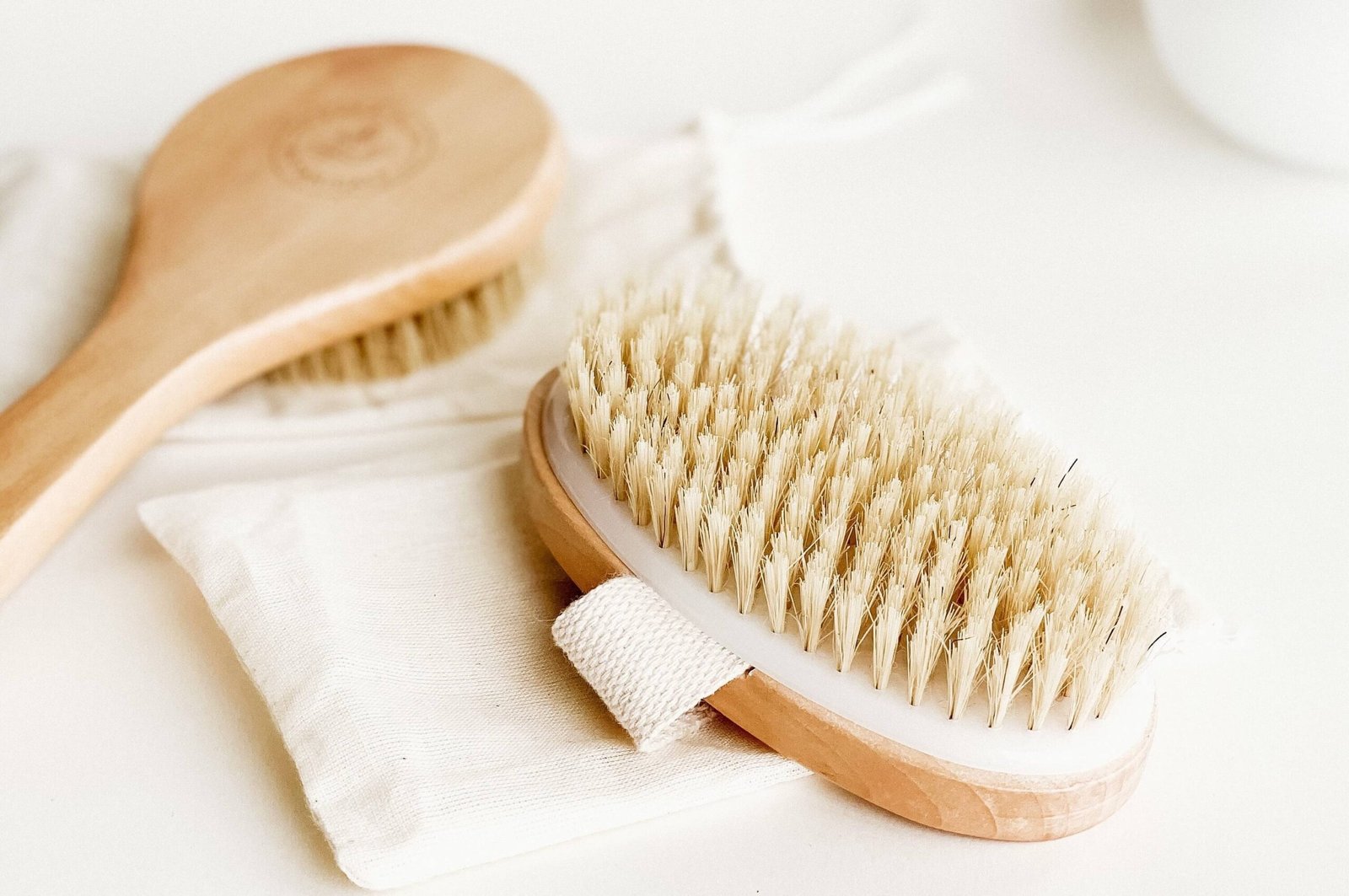
              Eventually, I found the Cactus Long Handle Body Brush by The Body Shop.  It has natural bristles (made of cactus!) and feels very ergonomically designed.  I felt it was good value and is serving me well.

              Remembering To Body Brush

              Okay, so I think the most challenging part of this new behaviour for me was finding a way to make it a habit!  In the end, I ended up hanging a hook in my bathroom, right by my shower and put my body brush on it.  So, every time I go to the shower, I see it.  So far, it seems to be working!

              Caring For My Body Brush

              My body brush is likely to be a receptacle for a lot of the dead cells that it brushes off my skin.  Over time, these cells are likely to build up and result in me purely brushing more dead skin back onto my body!  To avoid this, I wash my brush in filtered water after every brushing session.  Then, once a week, I wash it out with my (toxin-free, natural) shampoo and leave it to dry.

              I suspect that, even with these clean9ing practices, I am likely to need to replace my brush fairly frequently to avoid brushing any remaining debris onto my skin.

              Can I Body Brush In The Shower?

              I did wonder if it was possible to just whizz around with my body brush whilst in the shower.  Whilst it is physically possible to body brush with wet skin, it is not advisable.  When the skin is wet, dead skin cells congeal on its surface.  Brushing then does not remove these cells so detoxifying benefits on the skin’s surface are greatly diminished.  Of course, it would still have an impact on the lymphatic system beneath the skin.

              GET HEALINGT1D’S FUTURE ARTICLES IN YOUR INBOX!

              Get the latest musings and findings straight to your email inbox.

                Picture of Natalie Leader
                Natalie Leader

                Natalie is a blogger with Type 1 Diabetes. Natalie’s special gifts are questioning the status quo and being a rebel. She is using these gifts to question medical ‘knowledge’ and find a true cure for Type 1 Diabetes.

                The content of the HealingT1D website is for educational and information purposes only.  It does not contain medical advice. The contents of this website are not intended to substitute for professional medical advice, diagnosis or treatment. Please always consult with your doctor, physician, or other qualified healthcare professional before making any adjustments to your routine or healthcare regime.  HealingT1D and all associated with it will not be held liable for any risks or issues associated with using or acting upon the information on this site.
                Recent Comments:
              • Rebounding

                Rebounding

                Improving Health On Multiple Levels

                The content of the HealingT1D website is for educational and information purposes only.  It does not contain medical advice. The contents of this website are not intended to substitute for professional medical advice, diagnosis or treatment. Please always consult with your doctor, physician, or other qualified healthcare professional before making any adjustments to your routine or healthcare regime.  HealingT1D and all associated with it will not be held liable for any risks or issues associated with using or acting upon the information on this site.
                healing curing type 1 diabetes naturally

                Summary: Rebounding, a form of aerobic exercise using a mini-trampoline, offers benefits like increased strength, cardio fitness, balance, pelvic floor health, and enhanced lymphatic system function. It aids in detoxifying the body and potentially alleviating chronic stress responses like Type 1 Diabetes. 

                What Is Rebounding?

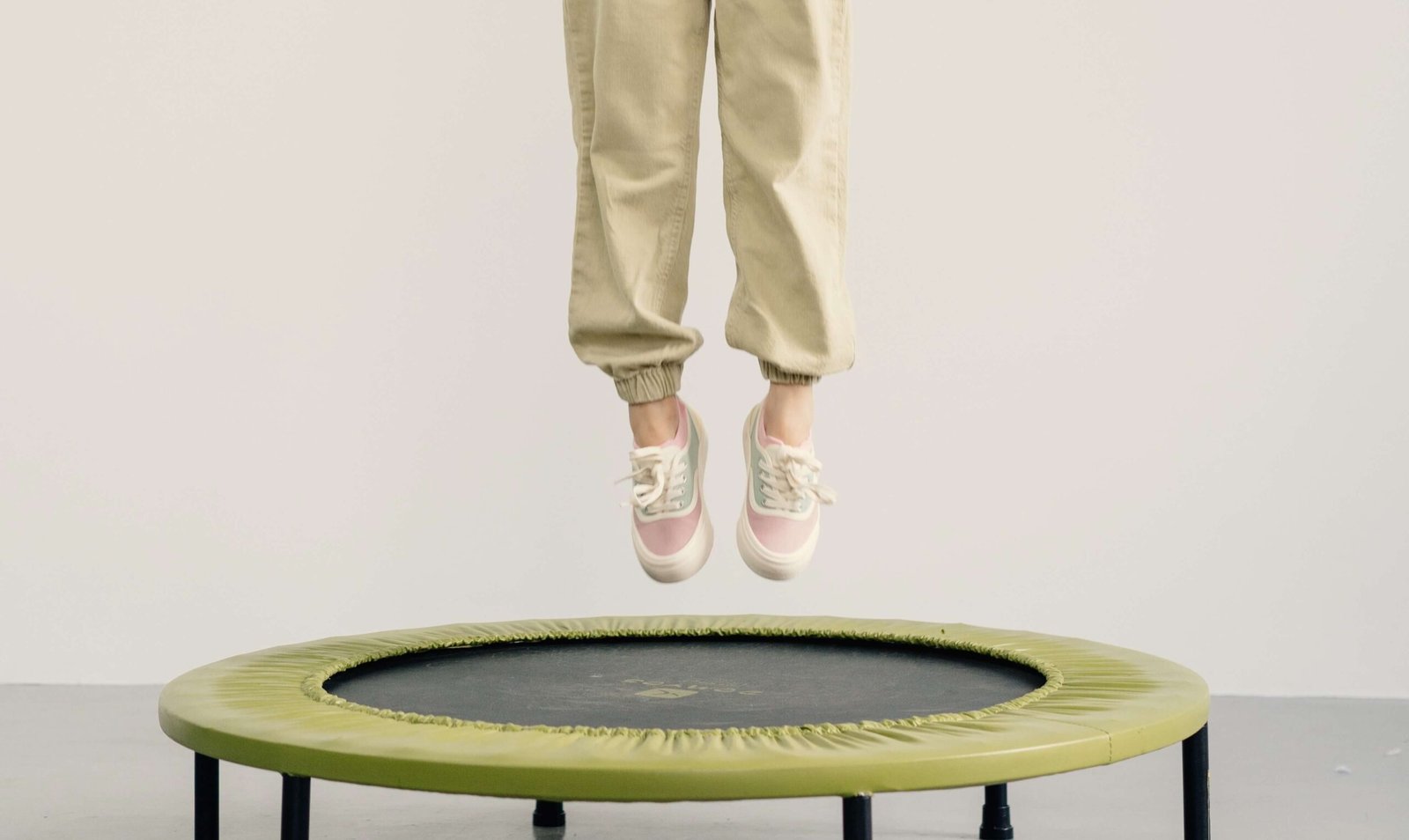
                Rebounding is a type of aerobic exercise.  It is performed by jumping up and down, either on the floor or preferably on a trampoline. Most people choose to use a mini-trampoline (as shown in the picture above).

                What Are The Benefits Of Rebounding?

                Rebounding has been found to have a host of benefits, which include:

                • Increased core and leg strength
                • Increased cardio fitness and endurance
                • Increased balance and stability
                • Increased pelvic floor health
                • Improved drainage of the lymphatic system

                What Is The Lymphatic System?

                Rebounding has been found to improve functioning of the lymphatic system.  The lymphatic system consists of a series of tissues, vessels and organs, including the spleen, small intestine and appendix.  These are all connected in a body-wide network.  A colourless, water-like fluid, called lymph, flows through this system. 

                The lymphatic system can be thought of as the sewer system of our bodies.  It removes toxins and cell debris whilst also bringing nutrients to each cell.  So getting this system to work effectively has huge benefits for healing and health.

                How To Unblock The Lymphatic System

                Unlike the circulatory system that is powered by the heart, the lymph system has no such engine.  To move lymph around the body, the body needs to move.  Unfortunately, in today’s world where movement has become more sporadic for the majority of people, human bodies are building up a toxin backlog.  The sewage system is getting blocked.

                Unblocking the lymph system can be facilitated in multiple ways but movement is the key to all methods.  One of the best methods is exercise.  Walking, running, swimming, biking and yoga, along with any other form of exercise that requires your muscles to work against gravity, all help the lymph to move around the system.  Rebounding also does this very effectively and, unlike other forms of exercise, it puts much less strain and impact on the human body.

                How Can Rebounding Help Heal Type 1 Diabetes?

                As I have argued elsewhere, I believe that Type 1 Diabetes is a chronic stress response in the body.  I believe it is a response to a system that is overloaded by toxins – physical, emotional, mental and spiritual.  The body reacts by putting itself into a fight-flight response (see my article here on that).  To provide an effective fight-flight response, the body restricts insulin to ensure that the system has enough glucose to power it through. Rebounding helps undo this toxic overload.

                I first heard about rebounding as a tool for detoxification when I attended the Tony Robbins’ event, Unleash The Power Within. Whilst it piqued my interest then, I wasn’t completely taken by the idea.  Then, I read ‘Radical Hope‘ by Dr Kelly Turner.  This book contains stories of people who have healed themselves from various types and stages of cancer.  One of the case studies in the book references a woman who was very fit and athletic throughout her life, regularly engaging in various forms of high-level exercise.  However, when she got sick with cancer, she chose to focus on rebounding as her main form of exercise.  Okay, now I was interested!

                The Positive Effects Of Rebounding

                I chose to invest in a rebounder (I got the Darchen 450 off Amazon and have found it to be fit for my purposes).  When I started, I found it surprisingly challenging.  Right from the start, I chose to do 20 minutes per day but I could only sustain that by letting myself bounce up and down without even getting my feet off the trampoline mesh.  Over time, I have built that up and now bounce around like a kid at a party (safely, of course!) for my twenty minutes.  My fitness has definitely improved!

                I have also found another positive side effect of rebounding…  I have improved my pelvic floor!  Since having my daughter seven years ago, my pelvic floor has not been totally reliable.  Anything to active or bouncy has left me running for the toilet on more than one occasion!  I tried pelvic floor exercises for years with no improvement.  I suspected that I might need to get something more serious done (surgery, perhaps) if this deteriorated further. 

                When I started rebounding, I found that I could only go for about five minutes at a time before needing a bathroom pit stop.  As time has gone on, this has decreased and I can now do my full twenty minutes with no need for the toilet and no discomfort or concern.  Another positive side effect of rebounding!

                Sustaining The Habit Of Rebounding

                I have found certain tweaks have made it easier for me to sustain the habit of rebounding.  Firstly, I make sure that I do it straight after my walk, first thing in the morning, whenever possible.  When I’ve left it for later in the day, my motivation for it seems to evaporate.  I have also found that have something to occupy me, such as someone to talk to or a good bit of music, keep me having fun so that the time passes quickly.

                I am hoping that, over time, my rebounding may also aid my exhaustion.  I have been having more and more periods of exhaustion over the last few months.  I have heard that one cause of exhaustion is toxicity in the body – the body has to work harder in such less-than-optimal conditions.  So I will wait to see if rebounding also improves my fatigue.  It can’t make it worse!

                GET HEALINGT1D’S FUTURE ARTICLES IN YOUR INBOX!

                Get the latest musings and findings straight to your email inbox.

                  Picture of Natalie Leader
                  Natalie Leader

                  Natalie is a blogger with Type 1 Diabetes. Natalie’s special gifts are questioning the status quo and being a rebel. She is using these gifts to question medical ‘knowledge’ and find a true cure for Type 1 Diabetes.

                  The content of the HealingT1D website is for educational and information purposes only.  It does not contain medical advice. The contents of this website are not intended to substitute for professional medical advice, diagnosis or treatment. Please always consult with your doctor, physician, or other qualified healthcare professional before making any adjustments to your routine or healthcare regime.  HealingT1D and all associated with it will not be held liable for any risks or issues associated with using or acting upon the information on this site.
                  Recent Comments:
                • Notes from the Workshop: 22nd December 2021

                  Notes from the Workshop: 22nd December 2021

                  Normal Blood Pressure Returns!

                  The content of the HealingT1D website is for educational and information purposes only.  It does not contain medical advice. The contents of this website are not intended to substitute for professional medical advice, diagnosis or treatment. Please always consult with your doctor, physician, or other qualified healthcare professional before making any adjustments to your routine or healthcare regime.  HealingT1D and all associated with it will not be held liable for any risks or issues associated with using or acting upon the information on this site.
                  healing curing type 1 diabetes naturally

                  Summary: After a thorough investigation, the author’s GP confirmed her blood pressure was normal at 109/68, dispelling her hypertension scare. However, adopting a morning walking routine during this scare has been a positive change that she’ll continue. All blood tests, including cortisol, were normal, challenging the author’s theories on cortisol’s role in diabetes. More mysteries to explore.

                  I have an update on my blood pressure.  I wrote here about how my diabetologist diagnosed me with hypertension.

                  I went to my GP and had a more thorough investigation undertaken.  I wore a blood pressure monitor for 24 hours, whilst exercising and resting and everything in between.  It turns out that there is ABSOLUTELY NOTHING wrong with my blood pressure!  My average blood pressure was 109/68.

                  Interestingly though, whilst going through this health scare, I adopted the habit of walking every morning…  And I kinda like it so I’m going to keep it up!  I think maybe God has intended this to be the outcome.  Who knows…?!  He has filled me in on his plan!!

                  My GP also ran a series of blood tests, including a full blood count, folate, cortisol, creatinine, sodium, potassium, ferritin. vitamin D and TSH.  All of my readings were completely normal!  So, for a chronically ill person, I’m pretty healthy!!

                  My normal cortisol reading leaves me with questions.  It kind of throws a bit of a spanner into my fight-flight theory of diabetes!  I started wondering whether it’s not the amount of cortisol being produced that is a problem but some other part of the cortisol system.  I found this study that showed how Type 2 diabetics had normal cortisol production but cortisol is still high in the human body.  That suggests a problem with the way cortisol is processed.  An interesting thought for now.

                  Bye for now!

                  GET HEALINGT1D’S FUTURE ARTICLES IN YOUR INBOX!

                  Get the latest musings and findings straight to your email inbox.

                    Picture of Natalie Leader
                    Natalie Leader

                    Natalie is a blogger with Type 1 Diabetes. Natalie’s special gifts are questioning the status quo and being a rebel. She is using these gifts to question medical ‘knowledge’ and find a true cure for Type 1 Diabetes.

                    The content of the HealingT1D website is for educational and information purposes only.  It does not contain medical advice. The contents of this website are not intended to substitute for professional medical advice, diagnosis or treatment. Please always consult with your doctor, physician, or other qualified healthcare professional before making any adjustments to your routine or healthcare regime.  HealingT1D and all associated with it will not be held liable for any risks or issues associated with using or acting upon the information on this site.
                    Recent Comments:
                  • Osteopathy Turns The Freeze Response  To Flight!

                    Osteopathy Turns The Freeze Response To Flight!

                    How Trauma Theory Informs This Response

                    The content of the HealingT1D website is for educational and information purposes only.  It does not contain medical advice. The contents of this website are not intended to substitute for professional medical advice, diagnosis or treatment. Please always consult with your doctor, physician, or other qualified healthcare professional before making any adjustments to your routine or healthcare regime.  HealingT1D and all associated with it will not be held liable for any risks or issues associated with using or acting upon the information on this site.
                    healing curing type 1 diabetes naturally

                    Summary:  After her initial osteopathy session revealed a freeze response, the author returned for a follow-up to find her body had shifted to a flight response. Surprised at the quick transition, the author reflected on trauma experts like Peter Levine and Babette Rothschild, exploring how these theories highlight how fight-flight-freeze responses impact health.

                    I discussed in my blog post here about my first osteopathy appointment, where my osteopath found that my body was in a freeze response. 

                    Now, I have returned for a follow-up appointment with my osteopath and have found that my body has shifted into a flight response!  My predictions in my blog post were right… I postulated that my freeze response would turn into a fight/flight response when it thawed!!

                    I have to say that I was shocked at how quick it was for my body to shift from one state to the other.  Of  course, in normal life  and health, the human body switches between the fight-flight response and the rest-repair response with ease.  However, I now realise that I had expected something different from my body…  I thought it would just be stuck in one mode forever.  That I somehow had a broken switch, stuck forever in an activated sympathetic nervous system.  It would appear that that is not the case.  My body can heal whenever it wants.

                    Peter Levine: Trauma Is A Physiological Response

                    This transition in my sympathetic nervous system brought to mind for me the work of two trauma experts.  The first was the work of Peter Levine, PhD.  Peter Levine is a trauma specialist who works with the bodily responses of clients who have experienced traumatic events.  He is interested in the physiological process that animals undergo as a result of traumatic events and how this information can be used to heal unresolved trauma in clients.    He argues that an unresolved trauma response, which is what I suspect Type 1 Diabetes is, can only be completed when the body is enabled to complete the normal physiological response to trauma.  

                    This video is Peter Levine explaining in his own words how this may take place….

                    Source: https://www.youtube.com/watch?v=4Zsp4iRAGtc

                    Babette Rothschild: Hierarchy Of Trauma Responses

                    The second trauma expert that came to mind for me was Babette Rothschild.   Babette is a trained psychotherapist and body psychotherapist based in the United States.  Like Peter Levine, she specialises in the field of trauma and particularly on the bodily responses to it.  She has written an excellent book called ‘The Body Remembers‘, which I found incredibly useful when processing the disabling overwhelm of early bodily trauma.  

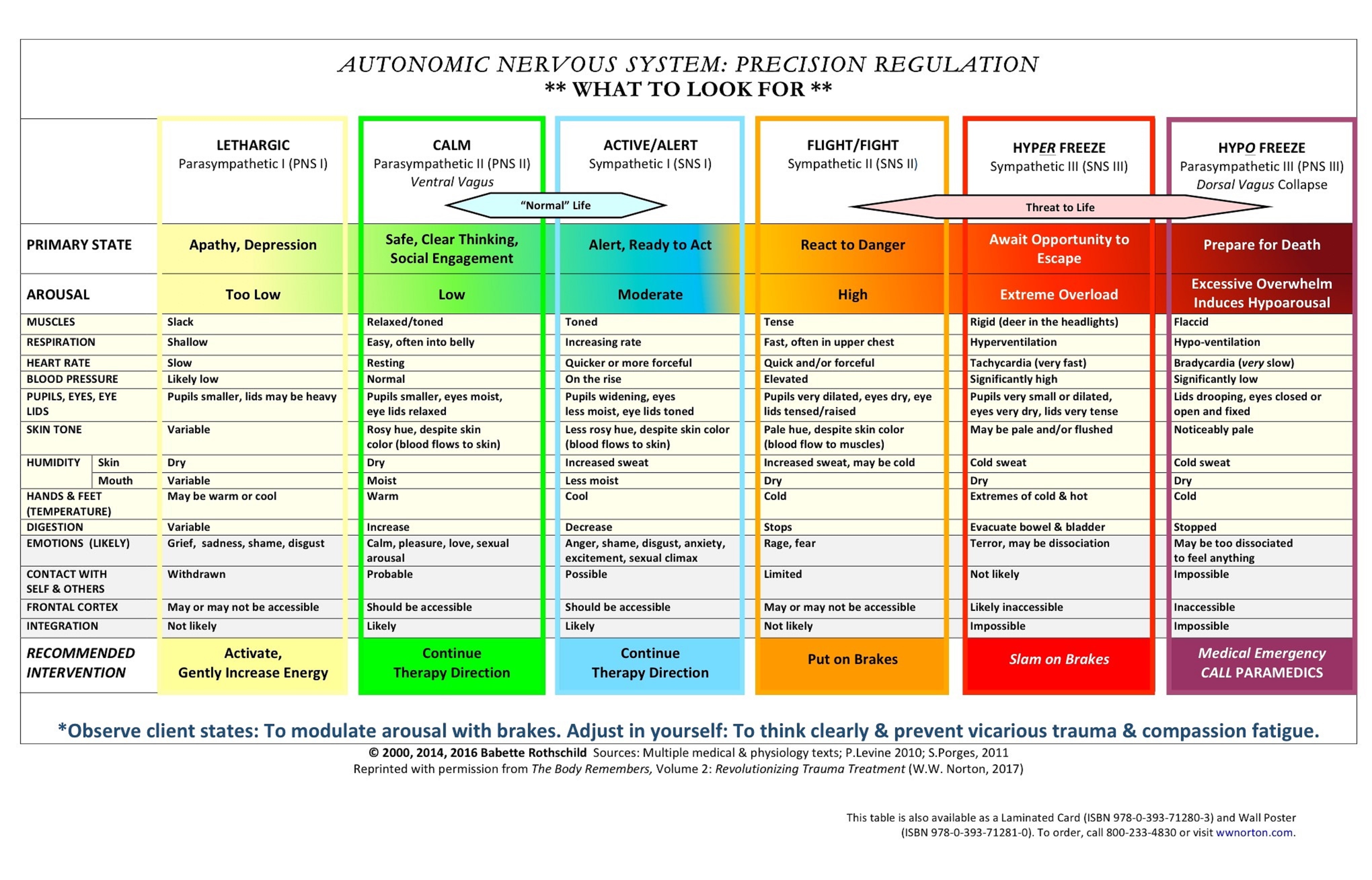
                    In her second book, ‘The Body Remembers Volume 2: Revolutionizing Trauma Treatment‘, Babette outlines a model for understanding the different physiological responses to trauma – fight, flight, freeze – and places them relative to each other in scale.  (You can see a diagram of this scale, entitled ‘Autonomic Nervous System : Precision Regulation‘ on her website, somatictraumatherapy.com).

                    What is important for me in Babette’s scale is that the freeze response is recognised as a greater response of the sympathetic nervous system than the fight-flight response.  So this supports the finding of my osteopath that, following treatment with her, my system down-regulated itself from a freeze response to a fight-flight response.

                    My Body’s Response To The Flight Responses

                    I am now wondering about the hypertension that my diabetologist has just diagnosed me with (see my post here on that).  I saw him for my appointment just two days after I had my osteopath appointment.  Was the high blood pressure just a temporary result of my body shifting from a freeze response to a more enlivened fight-flight response?  When the sympathetic nervous system triggers a fight-flight response, a series of hormones are released that trigger a raise in heart rate, breathing rate and, yes, blood pressure!

                    I have booked an appointment with my General Practitioner to talk this through and explore whether or not I have a blood pressure issue.  Let’s find out if this is a fight-flight reaction or an actual health concern.  I’ll let you know what happens!

                    GET HEALINGT1D’S FUTURE ARTICLES IN YOUR INBOX!

                    Get the latest musings and findings straight to your email inbox.

                      Picture of Natalie Leader
                      Natalie Leader

                      Natalie is a blogger with Type 1 Diabetes. Natalie’s special gifts are questioning the status quo and being a rebel. She is using these gifts to question medical ‘knowledge’ and find a true cure for Type 1 Diabetes.
                      The content of the HealingT1D website is for educational and information purposes only.  It does not contain medical advice. The contents of this website are not intended to substitute for professional medical advice, diagnosis or treatment. Please always consult with your doctor, physician, or other qualified healthcare professional before making any adjustments to your routine or healthcare regime.  HealingT1D and all associated with it will not be held liable for any risks or issues associated with using or acting upon the information on this site.
                      Recent Comments:
                    • Walking It Out

                      Walking It Out

                      Improving Blood Pressure, Cortisol Levels and Enhancing Vitamin D

                      The content of the HealingT1D website is for educational and information purposes only.  It does not contain medical advice. The contents of this website are not intended to substitute for professional medical advice, diagnosis or treatment. Please always consult with your doctor, physician, or other qualified healthcare professional before making any adjustments to your routine or healthcare regime.  HealingT1D and all associated with it will not be held liable for any risks or issues associated with using or acting upon the information on this site.

                      Summary: Diagnosed with hypertension, the author adopted daily walks as advised. Andrew Weil’s insights on walking’s benefits resonated, especially its role in regulating the nervous system crucial for her Type 1 Diabetes journey. Besides lowering blood pressure and cortisol, it enhances Vitamin D levels naturally. Walking has truly become a pivotal part of the author’s healing path.

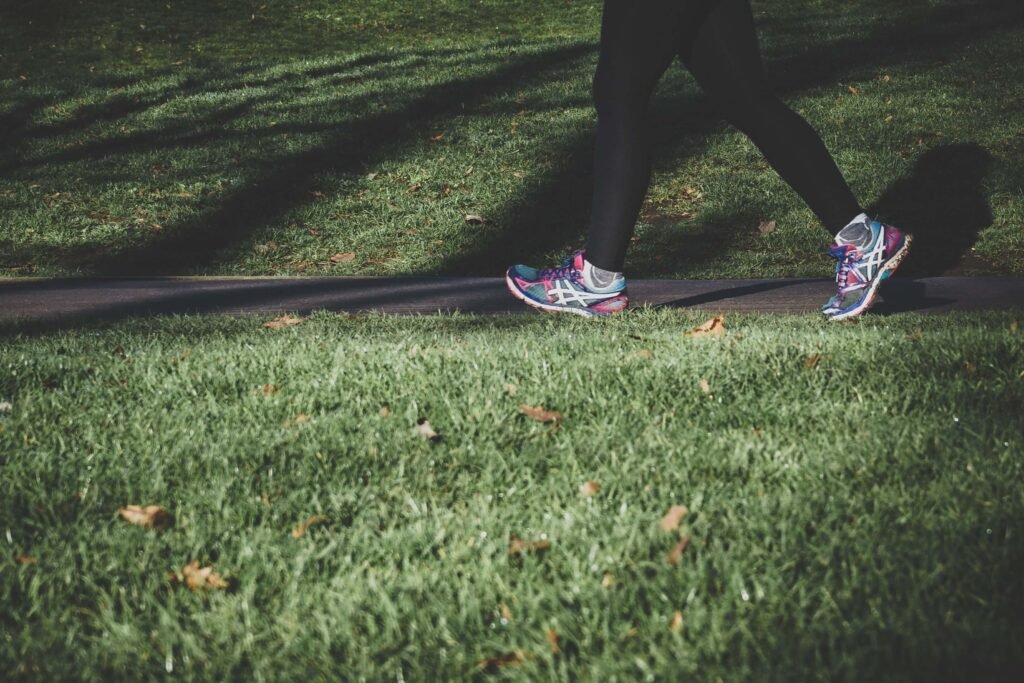
                      I spoke in my post here about my hypertension diagnosis.  My doctor then advised me to walk every day.  This has now become a part of my daily life.

                      healing curing type 1 diabetes naturally

                      Dr Andrew Weil , author of many books – including ‘Spontaneous Healing’ (1995) – states that ‘human beings are meant to walk’.  I am inclined to agree with him because of the many benefits it yields.

                      What Are The Benefits Of Walking?

                      The benefits of walking are numerous!   Of the numerous benefits, some really stand out for me as being beneficial to healing my T1D…

                      1. Nervous System Regulation

                      Andrew Weil (1995) argues that walking harmonises the whole nervous system.  I believe that this harmonisation is crucial in healing the fight-flight-freeze response that I believe is, or results from, Type 1 Diabetes (see my post here for more on this).

                      2. Reduced Blood Pressure

                      This is a big one for me right now and a huge motivator for getting out the door every morning!  (However, I also found this study that questions the quality of the research proving it.)

                      3. Reduced Cortisol Levels

                      Walking reduces cortisol levels.  Sustained high levels of cortisol (the stress hormone) can lead to a range of health issues, including anxiety, depression, sleep problems and weight gain.  For Type 1 Diabetes, increased cortisol can also lead to elevated blood glucose readings.  Walking for just 20 minutes is enough to reduce these cortisol levels.

                      4. Improved Vitamin D Levels

                      If you walk outsie, you also gain from more exposure to the sun.  This will enable your body to increase production of Vitamin D.  Vitamin D is crucial for maintaining health in Type 1 Diabetes, as I discussed in my blog posts here.

                      Getting Started

                      Walking is a perfect exercise choice for many reasons.  It is easy to do.  You just need yourself and a good pair of shoes!  You do not need to learn anything new to do it.  It costs nothing.  You can do it anywhere – outside in an urban area or in nature, inside on a treadmill or even in circles in your own home!  There is little chance of injury (just avoid snow and ice!).

                      You should walk at a brisk pace.  The pace should be fast enough to get your breathing harder but not so hard that you can no longer hold a conversation.  

                      The British Journal of Sports Medicine states that a suitable pace of at least 100 steps per minutes is ideal.  If you do not wish to count steps whilst walking, a pedometer or fitness tracker can do this for you.

                      Walking has now become the next step (pun intended!!) in my healing journey.  Let’s see where it takes me!

                      GET HEALINGT1D’S FUTURE ARTICLES IN YOUR INBOX!

                      Get the latest musings and findings straight to your email inbox.

                        Picture of Natalie Leader
                        Natalie Leader

                        Natalie is a blogger with Type 1 Diabetes. Natalie’s special gifts are questioning the status quo and being a rebel. She is using these gifts to question medical ‘knowledge’ and find a true cure for Type 1 Diabetes.

                        The content of the HealingT1D website is for educational and information purposes only.  It does not contain medical advice. The contents of this website are not intended to substitute for professional medical advice, diagnosis or treatment. Please always consult with your doctor, physician, or other qualified healthcare professional before making any adjustments to your routine or healthcare regime.  HealingT1D and all associated with it will not be held liable for any risks or issues associated with using or acting upon the information on this site.
                        Recent Comments: