Category: Taking Control of My Health

  • The Upward Spiral: How Fasting, Exercise, Sleep and Blood Sugar Regulation Changed My Health

    The Upward Spiral: How Fasting, Exercise, Sleep and Blood Sugar Regulation Changed My Health

    Accessible Steps to Healing

    The content of the HealingT1D website is for educational and information purposes only.  It does not contain medical advice. The contents of this website are not intended to substitute for professional medical advice, diagnosis or treatment. Please always consult with your doctor, physician, or other qualified healthcare professional before making any adjustments to your routine or healthcare regime.  HealingT1D and all associated with it will not be held liable for any risks or issues associated with using or acting upon the information on this site.

    Summary: Over the last six or seven months, I have experienced a noticeable shift in both my physical and mental wellbeing. What began as a period of illness and an unexpected four-day fast has evolved into something much deeper: a complete change in how my body feels, how my mind functions, and how I move through daily life. I initially thought the “magic” came purely from fasting, but the more I reflected, the more I realised this transformation was likely the result of several interconnected changes building on each other over time. Sleep, movement, blood sugar regulation, dopamine, and nervous system regulation all seem to play a role in the upward spiral I now feel myself living in.

    Introduction

    I have spent a lot of time trying to understand what may have caused the increase in healing I feel in my body over the past several months. At first, I believed the answer was simple: a bout of gastroenteritis that forced me into an unplanned four-day fast somehow “reset” my system. But as time has passed, I have started to think the truth is more layered — and much more hopeful — than that.

    Fasting and Its Ability to Heal the Body

    Fasting has long been associated with healing and repair within the body. During periods without food, the body shifts away from constantly processing incoming energy and instead focuses on maintenance and restoration. Blood sugar levels stabilise, insulin levels drop, inflammation may decrease, and the body begins relying on stored energy reserves. Some research also points toward processes such as autophagy, where damaged cells are broken down and recycled more efficiently during extended fasting periods.

    After around four days of fasting, the body is functioning very differently than it does during normal eating patterns. Glycogen stores are depleted, the body becomes more reliant on fat and ketones for fuel, and many people report improved mental clarity and reduced cravings. A friend of mine suggested that perhaps my dopamine system had also undergone a kind of “reset” during that period. I do not know exactly how scientifically accurate that is, but I do know one thing with certainty: my sugar cravings almost completely disappeared afterwards.

    I remember noticing it in small moments at first. Walking past food shops without mentally negotiating with myself. Sitting in the evening without feeling that restless pull towards snacks or stimulation. It felt strangely quiet in my mind.

    How Exercise Replaced Sugar Cravings and Stabilised My Blood Sugar

    I spoke often about the “magic” that happened after my illness. At the same time, I spent a lot of energy worrying that it would suddenly disappear. If I skipped one of my walks, I worried it marked the beginning of the end — the return of weight gain, poor health, and feeling trapped in old patterns again.

    I do not feel that way now. With more reflection, I no longer think there was one magical event that permanently changed me overnight. Instead, I think I unknowingly replaced one source of dopamine with another. Previously, sugar and stimulation filled that role. Now, exercise seems to fulfil much of that need instead.

    Movement has become regulating rather than punishing. By exercising consistently and timing movement properly, I have flattened my blood sugar profile significantly. And because my blood sugar is more stable, the cravings that once felt overwhelming have dramatically reduced. It feels less like constantly fighting my body and more like finally working with it.

    The Upward Spiral of Sleep, Exercise and Better Health

    I think there is a spiral that takes place in life. It can spiral downward, but it can also spiral upward. When you are spiralling upward, each positive change reinforces the next.

    For me, sleep comes first. When I sleep well and get enough rest, I have more energy to devote to the other areas of my life. Conversely, when I have slept badly, I notice almost immediately that I do not want to eat as well, move as much, or engage as fully with life. Poor sleep affects everything downstream from it.

    With proper sleep, movement becomes easier. I walk more, and more importantly, I actually want to walk. I look forward to moving my body rather than forcing myself to do it. I remember one walk in particular when I suddenly realised I was not counting the minutes until I could go home. I felt present. Calm. My body felt lighter somehow, even before any physical weight loss became noticeable.

    Then the food choices follow naturally. I want to nourish myself properly because I am building a life that feels worth sustaining.

    As exercise becomes more consistent, my blood sugar stabilises further, which reduces the physiological cravings that used to dominate my thinking. Each piece supports the next: sleep improves movement, movement improves food choices, food choices improve blood sugar stability, and stable blood sugar improves mood, energy, and motivation. The spiral continues upward.

    Living in Rest-and-Repair Instead of Fight-or-Flight

    One of the biggest changes I have noticed is that I genuinely feel out of fight-or-flight mode. My body feels calmer. The constant cravings have reduced significantly. The endless need for stimulation — always needing to know what the next thing is, always searching for another hit of distraction or dopamine — has diminished.

    I am simply happier.

    The difference is difficult to describe unless you have experienced it yourself. It feels as though my nervous system has stopped bracing for impact all the time. I no longer wake up already mentally exhausted before the day has even begun. There is more space between thoughts now. More stillness.

    I no longer spend large amounts of time questioning the meaning of life or feeling trapped on an endless treadmill that never seems to lead anywhere. I sleep better. I think more clearly. I feel more optimistic and future-focused.  I have started rollerskating and ballroom dancing, taken up motorbike riding again, started a yoga and meditation practice.  I am finding joy in my days.

    Perhaps most importantly, I no longer feel trapped in repetitive loops about the past. That includes both the immediate past — replaying conversations and wishing I had said something differently — and the distant past, endlessly revisiting earlier life experiences and the impact they had on me. My mind feels less stuck. There is more forward momentum.

    Why Healthy Habits Are Easier to Return to Over Time

    This state is not permanent or effortless. There have been times when I have not been able to maintain the lifestyle that supports it. At one point, for example, I injured my foot and could not walk properly for a week. Almost immediately, I noticed my ADHD symptoms becoming more prominent again. My food cravings increased, my mood dropped, and I felt less regulated overall.

    What surprised me, though, was how much easier it was to recover the second time. I already knew what “better” felt like. I already had evidence that my body could return to balance. Instead of feeling hopeless, I simply felt temporarily off-course.

    That is why I no longer think any of this is “magic.” It is something much more grounded than that. It is the result of systems within the body and mind working together in a healthier way. And because of that, it also feels achievable — not just for me, but potentially for many other people too.

    Closing Thoughts

    Looking back, I no longer believe there was one single event responsible for the healing I have experienced. The four-day fast may have acted as a catalyst, but the real transformation seems to have come from the interaction between sleep, movement, blood sugar stability, nervous system regulation, and dopamine. Each positive change reinforced the next until my body and mind began functioning differently as a whole.  It was just a result of one step at a time.

    What strikes me most is how physical this shift feels. This is not simply a change in mindset or attitude; it feels like a change in operating system. Once you experience what it feels like to live in rest-and-repair rather than constant fight-or-flight, you begin to recognise how profoundly the body shapes the mind.

    And perhaps that is the most hopeful part of all. If these systems can spiral downward, they can also spiral upward. Small changes build upon each other over time. Healing may not arrive all at once in some dramatic moment, but slowly, quietly, through repeated acts of rest, movement, nourishment, and care.

    GET HEALINGT1D’S FUTURE ARTICLES IN YOUR INBOX!

    Get the latest musings and findings straight to your email inbox.

      Picture of Natalie Leader
      Natalie Leader

      Natalie is a blogger with Type 1 Diabetes. Natalie’s special gifts are questioning the status quo and being a rebel. She is using these gifts to question medical ‘knowledge’ and find a true cure for Type 1 Diabetes.


      The content of the HealingT1D website is for educational and information purposes only.  It does not contain medical advice. The contents of this website are not intended to substitute for professional medical advice, diagnosis or treatment. Please always consult with your doctor, physician, or other qualified healthcare professional before making any adjustments to your routine or healthcare regime.  HealingT1D and all associated with it will not be held liable for any risks or issues associated with using or acting upon the information on this site.
      Recent Comments:
    • Losing Weight With T1D

      Losing Weight With T1D

      A Complex But Achievable Outcome
      The content of the HealingT1D website is for educational and information purposes only.  It does not contain medical advice. The contents of this website are not intended to substitute for professional medical advice, diagnosis or treatment. Please always consult with your doctor, physician, or other qualified healthcare professional before making any adjustments to your routine or healthcare regime.  HealingT1D and all associated with it will not be held liable for any risks or issues associated with using or acting upon the information on this site.
      Summary: Losing weight with Type 1 diabetes can feel incredibly complicated, especially when blood sugars, hypos, insulin, cravings, and food guilt all get tangled together. In this article, I’m sharing my personal experience with weight changes, emotional eating, and what I’ve learned about how blood sugar swings can affect hunger and cravings.

      Introduction

      For most of my adult life, I’ve carried a secret code with Type 1 diabetes that not everyone sees straight away. I’ve spent years feeling frustrated by my weight, confused by cravings, and honestly exhausted by the constant balancing act that comes with managing blood sugars while also trying to lose weight.

      Over time, though, I’ve started learning more about how my body actually works — and that’s changed everything. This isn’t about dieting advice or chasing perfection. It’s about understanding the connection between blood sugars, insulin, cravings, and food, and how those things can massively affect the way we eat and feel.

      The Weight Changes Over Time

      I have been overweight for all of my adult life while living with Type 1 diabetes, having been diagnosed at the age of one.

      Over the years, my weight has gone up and down at different times, but what I’ve started to understand now is how much blood sugar levels and physiology may have been influencing my hunger and eating patterns all along.

      Understanding What Was Really Happening

      This time, I’ve lost around 45 pounds. But I want to be really clear about something — this isn’t from “trying” to lose weight in the traditional sense.

      I’m not battling cravings every second. I’m not counting calories or forcing myself through restrictive diets. My blood sugars have actually improved, and that seems to have changed my relationship with food more than anything else.

      As my blood sugars have started to stabilise, I’ve noticed I naturally eat less. I no longer feel that constant, intense urge to overeat.

      That’s been huge for me because, for a long time, I assumed I was an emotional eater. I thought my eating habits were about comfort, stress, or lack of self-control. But the more I’ve learned about blood sugars and how the body responds to them, the more I’ve realised that a huge amount of what I experienced was actually physiological.

      Cravings, Comfort Eating, and Blood Sugars

      I have learnt a lot without fully realising it at the time.

      When I used to have periods where my blood sugars were high for long stretches, I would end up overeating constantly. Not because I lacked willpower, but because I was genuinely craving food all the time.

      Looking back, I can see how much of my eating was driven by the physical effects of unstable blood sugars.

      I genuinely enjoy food. I love a good plate of food just like anyone else. But what I’ve started noticing is that when my blood sugars are more stable, the cravings are nowhere near as intense.   That pull for having to have a food is just not there.

      And this is the part I find fascinating.

      What I’ve Learned About High Blood Sugars and Cravings

      I’ve learned that, for me, both high and low blood sugars can create cravings, but in different ways.

      Low blood sugars are obvious because the body needs glucose immediately. Every cell in my body is basiclaly screaming for glucose and I’m pretty sure would murder most things just to get some.  But high blood sugars seem to create a different kind of hunger altogether.

      When blood sugar levels stay high, the body struggles to properly use the glucose already circulating in the bloodstream. Insulin resistance can also play a role. Even though glucose is present, the cells aren’t necessarily getting the energy they need.  It’s like being at an vending machine, thirsty, and seeing all those lovely chilled bottles of water staring back at you.  But you just can’t reach them (without some money, anyway, which I guess in this really bad analogy would represent the insulin…?!).  So you get thirstier and thirstier, your body is struggling and will keep screaming for more.

      So, despite having high blood sugar levels, my body keeps throwing out hunger signals, hoping that the food delivered this time will be accessible to the cells.

      That creates this strange cycle where I crave more food, (try to resist but usually…) eat more food, and then often end up with even higher blood sugars afterwards.

      Once I started understanding that, a lot of things suddenly made sense.

      I Wasn’t An Emotional Eater After All

      For years, I genuinely believed I was an emotional eater.

      I assumed the cravings, overeating, and constant thoughts about food were all psychological. I blamed myself for lacking discipline and thought food had become some kind of emotional coping mechanism.

      But now, looking back with a better understanding of Type 1 diabetes and blood sugar fluctuations, I honestly don’t think that was true.

      What I was experiencing was far more physical than emotional.

      When blood sugars swing constantly — especially when they stay high for long periods — the body sends out very real hunger signals. Cravings intensify, energy regulation becomes messy, and the drive to eat can become relentless.

      But, at this point, I realised something…  Whilst I can’t outsmart my body, maybe I can work more intelligently with it.  When my body is craving sugar, the first thing I do is test my blood sugars.  And I would say 95% of the time, my blood sugars are out of range.  If they’re low, obviously I’m going to eat accordingly and not take this into account in any way, shape or form for my weight loss goals.  I will not eat less later or punish myself in any other way for that.  It’s just part of life.  For high blood sugars, though, I’ve realised I do have some choice.  I can choose to move.  Even ten minutes of walking makes a difference and can really downregulate the intensity of the cravings for me.

      Repeatedly witnessing the link between the presence of cravings and the number on my blood glucose meter really cemented it for me.  And then empowering myself to realise that I can actually resist my biology, at least for 10 minutes, to correct my blood sugars back into range, or nearer my range, was a game-changer.  That’s what made me realise this wasn’t really about emotional eating at all.

      Food Isn’t Just About Willpower When You Have T1D

      For years, I blamed myself.

      I thought my overeating was purely emotional or that I simply lacked self-control. But now I realise it was far more complicated than that.

      When your blood sugars are constantly fluctuating, your body is under stress. Hunger signals get confused, cravings intensify, and the body can constantly push you towards eating because it believes it still needs energy.

      That doesn’t mean personal responsibility disappears, but it does mean there’s more happening beneath the surface than people often realise.

      The Importance of Peace in Healing

      The other thing I’ve come to believe very strongly is that the body — and honestly the entire mind-body ecosystem — needs peace in order to heal.

      Stress, pressure, guilt, constant restriction, fighting yourself all the time… none of that creates an environment where the body feels safe. And I genuinely believe that safety matters in healing.  Getting out of a fight-or-flight response is a massive tranche of getting to healing.

      The calmer and more stable my life, mind, and blood sugars become, the better my body seems to function overall. My insulin needs reduce, my cravings reduce, and everything feels less chaotic.

      For me, this journey has become about much more than weight loss. It’s about creating a bodily environment that supports healing rather than constantly pushing against it.

      And whilst Type 1 diabetes is obviously complex, I personally feel that peace within the body is an important part of giving it the best possible chance to function well and reduce insulin needs as much as possible.

      Closing Thoughts

      Living with Type 1 diabetes affects so much more than blood sugar numbers. It can influence hunger, cravings, emotions, energy levels, and even the way we think about ourselves.

      For me, understanding the connection between blood sugars and food has been incredibly eye-opening. As my blood sugars have improved, my eating habits have naturally changed too — not through punishment or restriction, but through finally understanding what my body was trying to tell me.

      If you’re struggling with weight, cravings, or food while living with T1D, you are definitely not alone. Sometimes understanding the “why” behind it all can make a huge difference.

      GET HEALINGT1D’S FUTURE ARTICLES IN YOUR INBOX!

      Get the latest musings and findings straight to your email inbox.

        Picture of Natalie Leader
        Natalie Leader

        Natalie is a blogger with Type 1 Diabetes. Natalie’s special gifts are questioning the status quo and being a rebel. She is using these gifts to question medical ‘knowledge’ and find a true cure for Type 1 Diabetes.

        The content of the HealingT1D website is for educational and information purposes only.  It does not contain medical advice. The contents of this website are not intended to substitute for professional medical advice, diagnosis or treatment. Please always consult with your doctor, physician, or other qualified healthcare professional before making any adjustments to your routine or healthcare regime.  HealingT1D and all associated with it will not be held liable for any risks or issues associated with using or acting upon the information on this site.
        Recent Comments:
      • A Personal Update

        A Personal Update

        So Much Has Happened!

        The content of the HealingT1D website is for educational and information purposes only.  It does not contain medical advice. The contents of this website are not intended to substitute for professional medical advice, diagnosis or treatment. Please always consult with your doctor, physician, or other qualified healthcare professional before making any adjustments to your routine or healthcare regime.  HealingT1D and all associated with it will not be held liable for any risks or issues associated with using or acting upon the information on this site.

        Summary: After an unexpected six-month break from blogging, this post is a look at the major health and lifestyle changes that have happened in my life since a brutal bout of gastroenteritis earlier this year. What started as a horrible illness somehow became the catalyst for completely changing the way I eat, move, sleep and manage my Type 1 diabetes. 

        Introduction

        It feels very strange to be sitting down to write here again after six months away. I didn’t intentionally disappear for that long, but somewhere between life, health and trying to keep up with everything else, blogging quietly slipped into the background. In that time though, so much has changed that it almost feels impossible to pick back up where I left off without first sharing what’s happened.

        What started with one horrendous bout of gastroenteritis unexpectedly became the beginning of a complete shift in my health, habits and mindset. Over the past six months, my relationship with food, exercise, sleep, energy levels and even my Type 1 diabetes management has changed dramatically. Some of the changes have been physical, some mental, and some honestly still feel a little surreal to me — but looking back now, it feels like the right time to finally put it all into words.

        Six Months Away… and a Lot Has Changed

        Well. It’s been a while.

        Six months, in fact.

        I didn’t exactly plan to disappear from blogging for half a year, but life had other ideas — and honestly, my health journey over these past few months has been so unexpectedly transformative that it almost feels fitting to come back with a proper update.

        Because a lot has changed.

        The Gastroenteritis From Hell

        Six months ago, I got gastroenteritis.

        And not the “slightly regretting tequila choices from Thursday night” kind. This was the full horror-film version.

        I was so ill. Relentless vomiting, diarrhoea, dehydration — the works. I couldn’t eat anything at all for four whole days. During that time, I mostly rotated between lying on the sofa and repeatedly telling myself, “You are going to survive this.”

        Surprisingly though, my blood sugars were mostly spot-on throughout the whole thing. Apparently when you remove carb-counting, nutrition-balancing, exercise decisions, stress, schedules and all the other moving parts of normal life, diabetes occasionally decides to behave itself for once.

        It was grim.

        But strangely… something shifted afterwards.

        The Unexpected Reset

        When I recovered from the illness, I noticed something almost immediately:

        I had energy.

        Not normal “I slept well” energy. Different energy.

        I suddenly just needed to move.

        So I started walking. A lot.

        And I felt good.
        (Yes, in the Michael Bublé kind of way!)

        What shocked me most was that my long-standing sugar cravings just… disappeared. I’ve had a complicated relationship with sugar cravings for years (honestly, that deserves its own post), but suddenly I didn’t want it anymore.

        Instead, my body started asking for actual nutrition.

        Real food.

        Fresh food.

        I now genuinely regularly crave salad, which frankly feels like a medical event in itself!

        Feeding My Body Properly

        These days, I eat mostly whole foods — aside from the occasional hypo treatment, because diabetes still likes to keep things interesting.

        I also massively increased my hydration. Living in a hot climate while walking far more than I used to means my body genuinely needs water now, and I actually want to drink it. I regularly drink 3–4 litres a day, which would previously have sounded absolutely impossible to me.

        I also prioritise protein and now eat around 110g per day.

        Somewhere along the way, my mindset around food completely changed. It stopped being about restriction or “being good” and became much more about asking:

        “What actually helps me feel strong, healthy and energised?”

        And honestly? That shift alone has been life-changing.

        Becoming Someone Who Moves

        Once I started moving more, things naturally progressed.

        I began lifting heavier weights in the gym. Then I added a third gym session each week. Then I started adding movement purely because I enjoyed it.

        Ballroom dancing.

        Rollerskating.

        Cycling.

        Hiking.

        Badminton.

        Yoga.

        That random activity you’ve never tried before…  Trampolining, anyone? [I recommend it!  Great fun!!]

        Exercise stopped feeling like punishment and started feeling like something I genuinely wanted to do.

        Over the months, my body transformed alongside my lifestyle. Altogether, I’ve lost around 45lb (20kg), and for the first time in my life, I’d probably describe my physique as athletic.

        Which still feels slightly surreal to put in writing.

        The Little Things That Add Up

        There are also all the smaller habits that quietly changed in the background.

        I now supplement with creatine, collagen, electrolytes and protein powder.
        I eat whole foods for nearly every meal.
        I sleep properly.

        And honestly, the sleep part might be one of the biggest changes of all.

        I’m now usually asleep by around 9:30pm and awake at 6am. My ADHD symptoms have improved dramatically. I can focus properly now. I complete tasks. I follow through on plans.

        I feel productive.

        Capable.

        I’m actually achieving things in my life — including finally returning to write this blog post!

        The Diabetes Update

        And then there’s the diabetes side of things.

        My HbA1c has dropped to 6.5%, which I’m incredibly happy with.  Still more to go, but great for now!

        In fact, at my last diabetology appointment, my always-looking-for-improvement diabetologist actually had no “feedback”!!

        None.

        If you live with Type 1 diabetes, you’ll understand why that felt almost auspicious…  Or suspicious!!

        So… What Now?

        I don’t really feel like the same person I was six months ago.

        What started as one horrible illness somehow became the catalyst for a complete reset in how I treat my body, my health and myself in general.

        I’m stronger. Healthier. More focused. More energised.

        And perhaps most importantly — I finally feel like I’m working with my body instead of constantly fighting against it.

        There’s still a lot I want to write about from these past few months (including the whole sugar craving situation for one, because that story deserves its own spotlight), but for now, this felt like the right place to restart.

        And honestly?

        It feels really good to be back.

        Closing Thoughts

        Looking back, it’s hard to believe how much has changed in just six months. What began as one of the worst illnesses I’ve ever had somehow became the catalyst for rebuilding my health in a way I never expected. I still have plenty to learn, and I’m sure there will be challenges along the way, but for the first time in a very long time, I genuinely feel well — stronger, calmer, more capable, and far more connected to what my body actually needs. And honestly, it feels really good to be back here writing again.

        GET HEALINGT1D’S FUTURE ARTICLES IN YOUR INBOX!

        Get the latest musings and findings straight to your email inbox.

          Picture of Natalie Leader
          Natalie Leader

          Natalie is a blogger with Type 1 Diabetes. Natalie’s special gifts are questioning the status quo and being a rebel. She is using these gifts to question medical ‘knowledge’ and find a true cure for Type 1 Diabetes.

          The content of the HealingT1D website is for educational and information purposes only.  It does not contain medical advice. The contents of this website are not intended to substitute for professional medical advice, diagnosis or treatment. Please always consult with your doctor, physician, or other qualified healthcare professional before making any adjustments to your routine or healthcare regime.  HealingT1D and all associated with it will not be held liable for any risks or issues associated with using or acting upon the information on this site.
          Recent Comments:
        • 30 Reasons to Walk with Type 1 Diabetes

          30 Reasons to Walk with Type 1 Diabetes

          The Benefits of Walking Are Immense!

          The content of the HealingT1D website is for educational and information purposes only.  It does not contain medical advice. The contents of this website are not intended to substitute for professional medical advice, diagnosis or treatment. Please always consult with your doctor, physician, or other qualified healthcare professional before making any adjustments to your routine or healthcare regime.  HealingT1D and all associated with it will not be held liable for any risks or issues associated with using or acting upon the information on this site.

          Summary: Feeling low on motivation to get moving? This post is your gentle nudge (and mine!) to lace up those trainers and get walking — with 30 solid reasons why it’s one of the best things you can do for your body, mind, and Type 1 Diabetes management.

          Image by Jensen Art Co from Pixabay

          Introduction

          It’s that time of year again — when I need to dig deep for the motivation to actually put my trainers on and head out the door for a walk. The struggle is real!

          So, in the spirit of giving myself a gentle kick up the backside (and maybe inspiring a few of you too), I decided to make a list — a big one — to help get the movement mojo going.

          And honestly, why keep it to myself when it might help someone else who’s also side-eyeing their walking shoes right now?

          So here it is: 30 powerful reasons to get out and walk (for those of us who can!).

          🌿 30 Reasons to Walk Daily with Type 1 Diabetes

          🩸 Blood Sugar & Insulin Balance

          1. Improves insulin sensitivity – helping your body use insulin more effectively.

          2. Reduces post-meal glucose spikes – walking after meals helps lower blood sugar naturally.

          3. Can decrease insulin requirements – with proper medical guidance, walking may reduce the amount of insulin needed.

          4. Helps correct high blood sugars safely – gentle walking can bring glucose down (when not dangerously high).

          5. Promotes more predictable glucose patterns – less risk of sharp highs or lows compared to intense workouts.

          6. Supports better HbA1c levels – consistent daily walks contribute to long-term glucose control.

          ❤️ Heart, Circulation & Detox Support

          1. Boosts cardiovascular fitness – strengthens your heart and improves circulation.

          2. Lowers blood pressure – walking regularly helps keep blood pressure in a healthy range.

          3. Improves cholesterol balance – increases HDL (“good”) and reduces LDL (“bad”) cholesterol.

          4. Stimulates lymphatic flow – enhances your body’s natural detox system, flushing out waste and bacteria.

          5. Improves gut function and reduces gastroparesis symptoms – light activity after meals helps digestion.

          6. Builds stronger bones – weight-bearing movement lowers the risk of osteoporosis and fractures.

          ⚖️ Weight, Metabolism & Physical Wellbeing

          1. Aids weight management – supports healthy fat loss and muscle tone.

          2. Boosts metabolism – keeps your body burning energy efficiently.

          3. Improves aerobic fitness – strengthens lungs and endurance over time.

          4. Supports joint health and flexibility – movement reduces stiffness and pain.

          5. Is low-risk and low-impact – gentle on the body, making it suitable for most fitness levels.

          🧠 Mental, Emotional & Spiritual Benefits

          1. Reduces stress – calms the nervous system and therefore stabilises blood glucose indirectly.

          2. Improves mood – boosts endorphins and serotonin, easing depression and anxiety.

          3. Supports mental clarity – increases oxygen flow to the brain for sharper focus.

          4. Improves sleep quality – regular activity helps you fall and stay asleep more easily.

          5. Enhances confidence and self-discipline – builds a sense of control over your health.

          6. Connects you with nature – nurturing mindfulness, calm, and a sense of spiritual grounding.

          ☀️ Practical & Lifestyle Advantages

          1. Increases Vitamin D exposure – outdoor walking supports bone, immune, and mood health.

          2. Inexpensive and accessible – no gym, equipment, or membership required.

          3. Can be done anywhere – easy to maintain the habit while traveling.

          4. Fits into daily routines easily – short walks after meals or errands make it sustainable.

          5. Encourages social connection – walking with friends or groups adds motivation and joy.

          6. Supports long-term health and longevity – lowers risk of complications and chronic disease.

          7. Empowers you to take active ownership of your healing journey – a simple, consistent act that builds strength, resilience, and hope.

          Closing Thoughts

          Walking might seem small, but it’s one of those beautiful little things that changes everything over time — your mood, your blood sugars, your sense of self.

          So here’s to movement, mindfulness, and finding our rhythm again… one walk at a time.

          Now… shall we both stop reading about walking and actually go for one?

          GET HEALINGT1D’S FUTURE ARTICLES IN YOUR INBOX!

          Get the latest musings and findings straight to your email inbox.

            Picture of Natalie Leader
            Natalie Leader

            Natalie is a blogger with Type 1 Diabetes. Natalie’s special gifts are questioning the status quo and being a rebel. She is using these gifts to question medical ‘knowledge’ and find a true cure for Type 1 Diabetes.

            The content of the HealingT1D website is for educational and information purposes only.  It does not contain medical advice. The contents of this website are not intended to substitute for professional medical advice, diagnosis or treatment. Please always consult with your doctor, physician, or other qualified healthcare professional before making any adjustments to your routine or healthcare regime.  HealingT1D and all associated with it will not be held liable for any risks or issues associated with using or acting upon the information on this site.
            Recent Comments:
          • 5 Everyday Practices to Balance Cortisol

            5 Everyday Practices to Balance Cortisol

            Why Stress Spikes Your Blood Sugar Numbers

            The content of the HealingT1D website is for educational and information purposes only.  It does not contain medical advice. The contents of this website are not intended to substitute for professional medical advice, diagnosis or treatment. Please always consult with your doctor, physician, or other qualified healthcare professional before making any adjustments to your routine or healthcare regime.  HealingT1D and all associated with it will not be held liable for any risks or issues associated with using or acting upon the information on this site.
            Image by mooremeditation from Pixabay

            Summary: This post shares five simple, science-backed ways to naturally balance cortisol and reduce stress in Type 1 diabetes: moderate movement, quality sleep, mindfulness, time in nature, and strong social connections. The focus is on creating a healthy rhythm — not eliminating cortisol — to support steadier energy, mood, and blood sugar.

            Introduction

            By now, you know that cortisol — the so-called “stress hormone” — plays a huge role in energy, mood, and blood sugar regulation. For people with Type 1 diabetes, these effects can feel amplified, with stress triggering unexpected spikes or dips in glucose.

            The good news? While we can’t eliminate cortisol (and we wouldn’t want to!), we can influence how our body responds to stress and keep our levels in a healthier range. Small, consistent lifestyle practices make a real difference.

            In this post, we’ll walk through five everyday strategies to help balance cortisol, support your body’s natural rhythm, and make your mind and body feel more in control.

            1. Moderate Movement

            Exercise is one of the most effective ways to regulate cortisol — but it’s not about pushing yourself to extremes.

            Studies show that moderate-intensity activities like brisk walking, cycling, or yoga can lower cortisol levels and improve sleep quality [1][2]. On the other hand, very high-intensity workouts can temporarily raise cortisol, which may be counterproductive if your body is already stressed.

            Think of movement as medicine for your stress hormone: it should energize and refresh, not drain you. Even a 20–30 minute walk outside can make a meaningful difference in your day.

            2. Prioritize Quality Sleep

            Cortisol and sleep are tightly linked. Your body expects a regular rhythm: cortisol rises in the morning to help you wake, then gradually falls so you can rest at night.

            Irregular sleep schedules or poor-quality sleep can flatten this rhythm, leading to fatigue, brain fog, and elevated stress hormones [3].

            Practical tips:

            • Stick to a consistent bedtime and wake time.
            • Create a restful sleep environment: dark, cool, and quiet.
            • Limit screens before bed to reduce light disruption.

            Even small improvements in sleep can have a big impact on your cortisol balance and overall energy.

            3. Mindfulness and Relaxation Techniques

            Mindfulness practices — meditation, deep breathing, or simple grounding exercises — have been shown to lower cortisol significantly [4][5].

            For example, in a study of medical students, just four days of mindfulness meditation reduced average cortisol by 75 nmol/L — that’s a substantial shift in stress hormone levels [5].

            You don’t need to meditate for hours. Even 5–10 minutes daily of focused breathing or a guided mindfulness exercise can help your body reset, calm your nervous system, and reduce stress-related blood sugar spikes.

            4. Spend Time in Nature

            There’s science behind the “nature pill.” Spending just 20 minutes in a park, forest, or any green space has been shown to lower cortisol levels [6].

            Nature walks, sitting in a garden, or simply observing trees and plants can:

            • Reduce stress hormones
            • Calm your nervous system
            • Improve mood and focus

            If getting outside is tricky, even houseplants or a window view of greenery can provide a small cortisol-lowering benefit.

            5. Build Strong Social Connections

            Humans are social creatures, and strong relationships can buffer the effects of stress. Maintaining friendships and social support networks has been associated with lower cortisol levels [7].

            Quality interactions — meaningful conversations, shared laughter, or simply spending time with loved ones — help regulate stress hormones. Prioritizing these connections is just as important as sleep, movement, and mindfulness in balancing cortisol.

            Closing Thoughts

            Cortisol isn’t the enemy — it’s a crucial signal that your body is responding to stress. The goal isn’t elimination, but balance. By integrating moderate movement, quality sleep, mindfulness, time in nature, and social connection, you can create a foundation for better stress management, healthier blood sugar, and a calmer mind.

            Which of these practices feels doable for you today? I’d love to hear what works — share your thoughts or your own stress-reduction strategies in the comments, and let’s learn from each other’s experiences.

            References:

            1. De Nys, L., et al. (2022). The effects of physical activity on cortisol and sleep. Psychoneuroendocrinology, 143, p.105843.
            2. Caplin, A., et al. (2021). Exercise intensity and cortisol response. Psychoneuroendocrinology, 131, p.105336.
            3. Kumari, M., et al. (2009). Sleep duration and cortisol secretion. Journal of Clinical Endocrinology & Metabolism, 94(12), pp.4801–4809.
            4. Rogerson, O., et al. (2024). Stress management interventions and cortisol. Psychoneuroendocrinology, 159, p.106415.
            5. Turakitwanakan, W., et al. (2013). Effects of mindfulness meditation on serum cortisol. Journal of the Medical Association of Thailand, 96(Suppl. 1), pp. S90–S95.
            6. Hunter, M. R., et al. (2019). Urban nature experiences reduce stress. Frontiers in Psychology, 10, 722.
            7. Miller, M. (2021). Friendship and cortisol reactivity. Communication Research Reports, 38(4), pp.305–314.

            GET HEALINGT1D’S FUTURE ARTICLES IN YOUR INBOX!

            Get the latest musings and findings straight to your email inbox.

              Picture of Natalie Leader
              Natalie Leader

              Natalie is a blogger with Type 1 Diabetes. Natalie’s special gifts are questioning the status quo and being a rebel. She is using these gifts to question medical ‘knowledge’ and find a true cure for Type 1 Diabetes.

              The content of the HealingT1D website is for educational and information purposes only.  It does not contain medical advice. The contents of this website are not intended to substitute for professional medical advice, diagnosis or treatment. Please always consult with your doctor, physician, or other qualified healthcare professional before making any adjustments to your routine or healthcare regime.  HealingT1D and all associated with it will not be held liable for any risks or issues associated with using or acting upon the information on this site.
              Recent Comments:
            • Cortisol and Type 1 Diabetes

              Cortisol and Type 1 Diabetes

              Why Stress Spikes Your Blood Sugar Numbers

              The content of the HealingT1D website is for educational and information purposes only.  It does not contain medical advice. The contents of this website are not intended to substitute for professional medical advice, diagnosis or treatment. Please always consult with your doctor, physician, or other qualified healthcare professional before making any adjustments to your routine or healthcare regime.  HealingT1D and all associated with it will not be held liable for any risks or issues associated with using or acting upon the information on this site.
              Image by Pedro Figueras from Pixabay

              Summary: This post explains the vital role cortisol plays in regulating energy, mood, blood sugar, immunity, and stress response, while clarifying that it’s not just a “stress hormone” but an essential daily rhythm driver. It highlights how imbalances — whether too high, too low, or poorly timed — can impact sleep, weight, mood, and overall health, emphasizing the importance of balance rather than demonizing cortisol.

              Introduction

              If you have Type 1 diabetes, you’ve probably noticed that your blood sugar can feel unpredictable. You do everything “right” — count carbs, take insulin, move your body — and yet sometimes your numbers still spike or dip for no obvious reason.

              One of the main culprits behind these mysterious highs and lows? Cortisol, the so-called “stress hormone.” Understanding how this hormone interacts with blood sugar can be a total game-changer, helping you approach your diabetes management with curiosity instead of frustration.

              In this post, we’ll explore how cortisol works differently in people with Type 1 diabetes, why stress can trigger unexpected blood sugar changes, and what that means for your daily life.

              How Cortisol Raises Blood Sugar

              Cortisol is designed to help you respond to stress. In anyone without diabetes, when cortisol rises, your liver releases glucose for quick energy. The pancreas responds by releasing insulin, moving that sugar into your cells where it can be used.

              But for people with Type 1 diabetes, the pancreas no longer produces insulin. That neat balancing act disappears. When cortisol rises — triggered by stress, illness, excitement, or even poor sleep — there isn’t an automatic insulin response to counter it. The result? Blood sugar spikes that can feel completely random.

              So, those unexpected highs aren’t a sign that you’re doing something “wrong.” They’re your body’s natural response to stress hormones. Recognizing this can help shift your mindset from self-blame to strategy: “Okay, cortisol is spiking. How can I adjust my insulin or routine to support my body?”

              The Vicious Cycle: Highs, Lows, and Stress

              The relationship between cortisol and blood sugar isn’t one-way. High glucose itself can act as a stressor, prompting your body to release more cortisol — and sometimes adrenaline — which can push your numbers even higher.

              Low blood sugar can trigger cortisol too. When your glucose dips too low, your body perceives it as a threat and signals the adrenal glands to release cortisol to bring it back up. This means both highs and lows can provoke a stress response, creating a delicate balancing act.

              Understanding this cortisol–blood sugar loop can feel liberating. It helps explain why numbers sometimes swing even when diet and insulin seem “perfect.” Instead of feeling defeated, you can see patterns and adjust more compassionately and strategically.

              My Personal Cortisol Test Results

              Recently, I had my cortisol levels tested, and the results were… interesting. On paper, they looked normal:

              Time Cortisol (nmol/L) Typical Reference Range (nmol/L)
              6 : 11 am
              6.70
              5 – 23
              6 : 41 am
              17.11
              10 – 25
              7 : 47 am
              10.65
              8 – 20
              11 : 16 am
              2.57
              2 – 9
              4 : 37 pm
              1.79
              1 – 5
              10 : 12 pm
              0.88
              <1 – 2

              By the numbers, everything fell neatly within the reference ranges. My morning peak and evening low looked textbook.

              But the accompanying graph told a different story: early morning cortisol was deep in the “red zone,” then lingered moderately high for the rest of the day.

              The discrepancy comes down to reference ranges. Labs often define “normal” based on averages from high-stress modern lifestyles. Just because your numbers fall in the “normal” column doesn’t mean your cortisol is optimal for healing or balanced energy.

              The takeaway? Even “normal” cortisol can still contribute to blood sugar unpredictability in Type 1 diabetes.

              Why This Matters for Type 1 Diabetes

              Recognising cortisol’s influence on your blood sugar changes the game:

              • Stressful events, illness, poor sleep, or excitement can all spike cortisol → leading to higher glucose.

              • Low glucose can also trigger cortisol → causing rebounds or swings.

              • Understanding this loop allows for compassionate adjustments rather than self-blame.

              This insight can help us all anticipate patterns, adjust insulin thoughtfully, and approach your numbers with curiosity rather than judgment.

              Closing Thoughts

              Cortisol isn’t the enemy — it’s a vital signal that your body is responding to stress. For people with Type 1 diabetes, knowing how stress hormones affect blood sugar is empowering.

              Next up: In the following post, we’ll explore practical, everyday strategies to balance cortisol and support your body’s healing process.

              GET HEALINGT1D’S FUTURE ARTICLES IN YOUR INBOX!

              Get the latest musings and findings straight to your email inbox.

                Picture of Natalie Leader
                Natalie Leader

                Natalie is a blogger with Type 1 Diabetes. Natalie’s special gifts are questioning the status quo and being a rebel. She is using these gifts to question medical ‘knowledge’ and find a true cure for Type 1 Diabetes.

                The content of the HealingT1D website is for educational and information purposes only.  It does not contain medical advice. The contents of this website are not intended to substitute for professional medical advice, diagnosis or treatment. Please always consult with your doctor, physician, or other qualified healthcare professional before making any adjustments to your routine or healthcare regime.  HealingT1D and all associated with it will not be held liable for any risks or issues associated with using or acting upon the information on this site.
                Recent Comments:
              • Cortisol 101

                Cortisol 101

                What the ‘Stress’ Hormone Really Does in Your Body

                The content of the HealingT1D website is for educational and information purposes only.  It does not contain medical advice. The contents of this website are not intended to substitute for professional medical advice, diagnosis or treatment. Please always consult with your doctor, physician, or other qualified healthcare professional before making any adjustments to your routine or healthcare regime.  HealingT1D and all associated with it will not be held liable for any risks or issues associated with using or acting upon the information on this site.
                Image by Gordon Johnson from Pixabay

                Summary: This post explains the vital role cortisol plays in regulating energy, mood, blood sugar, immunity, and stress response, while clarifying that it’s not just a “stress hormone” but an essential daily rhythm driver. It highlights how imbalances — whether too high, too low, or poorly timed — can impact sleep, weight, mood, and overall health, emphasizing the importance of balance rather than demonizing cortisol.

                Introduction

                Do you ever feel completely drained, even after a full night’s sleep? Maybe you’ve noticed extra weight around your belly, a rounder face, or mood swings that seem to appear out of nowhere. If this sounds familiar, your body might be signalling something about cortisol — the hormone we often think of as “stress,” but that is really far more nuanced.

                Cortisol plays a central role in your energy, blood sugar regulation, immune function, and even how your body responds to illness or injury. But when its rhythm is off, it can make you feel like you’re constantly fighting an uphill battle with fatigue, mood, and physical health.

                In this post, we’ll unpack the basics: what cortisol actually does, how it moves through your day, and why keeping it in balance matters for your well-being.

                How to Tell if Cortisol Might Be Off

                Sometimes, the signs are subtle. You might feel perpetually tired, dragging yourself through the day no matter how much rest you’ve gotten. Your belly might feel softer, or your face rounder than it used to. Perhaps you’ve noticed your blood pressure creeping higher, or mood swings — anxiety, irritability, or low feelings — sneaking in where they didn’t before. You might even bruise more easily than you used to.

                These aren’t diagnoses. They’re clues that your cortisol rhythm could be disrupted, offering a chance to pay closer attention to how your body responds to daily stressors.

                What Cortisol Actually Is

                Cortisol is often called the “stress hormone,” but that nickname gives it a bad rap. In reality, cortisol is essential. It helps your body manage energy, regulate blood pressure and blood sugar, support your immune system, and respond effectively to challenges, big or small.

                Cortisol follows a daily rhythm, tied to your internal body clock. It rises a few hours before you wake, peaking about 30–45 minutes after you open your eyes. This “cortisol awakening response” is your body’s way of nudging you awake and ready for the day.

                As the day progresses, cortisol gradually declines, giving you a steady flow of energy. By evening, cortisol should be at its lowest, letting melatonin — the sleep hormone — take the reins and guide you into restorative rest.

                When stress or danger strikes, cortisol triggers the fight-or-flight response. Blood sugar rises, your heart rate increases, and your body focuses on immediate survival. Ideally, once the stressor passes, cortisol returns to baseline, ready for the next challenge.

                In a standard lab test, cortisol might look like this:

                • Morning: ~276–552 nmol/L

                • Afternoon: ~83–276 nmol/L

                • Evening: <138 nmol/L

                • Midnight: near undetectable

                Why Cortisol Balance Matters

                High or prolonged cortisol can leave you constantly fatigued, increase belly weight, raise blood pressure and blood sugar, affect your mood, and even weaken your immune system. Low cortisol, or insufficient morning rise, can make getting out of bed feel impossible and leave you mentally foggy.

                The takeaway? Cortisol isn’t the enemy — it’s a vital hormone whose timing and rhythm are crucial for energy, mood, and overall health.

                The “Good” Side of Cortisol

                Without cortisol, life would be very different. It helps stabilize blood pressure, supports your sleep-wake cycle, provides quick bursts of energy when needed, and helps your body respond to illness or injury. Problems only arise when cortisol stays too high for too long or doesn’t rise and fall in a healthy rhythm.

                Closing Thoughts

                Your body communicates constantly, and cortisol is one of its most important messengers. Notice your energy dips, mood swings, or physical changes? That’s your cue to pay attention to your stress and hormone balance.

                If you are now thinking more deeply about how cortisol might be affecting your body and what you might do to help, try looking at the following:

                1. Developing a great morning routine to ensure that cortisol rises calmly in the early hours of the day

                2. Getting decent quality sleep to ensure cortisol is not unnecessarily elevated

                3. Managing stress and successfully processing the fight-or-flight response to avoid unnecessary cortisol spikes

                Next up: In the next post, we’ll explore how cortisol interacts with blood sugar and why it matters especially for people with Type 1 diabetes.

                GET HEALINGT1D’S FUTURE ARTICLES IN YOUR INBOX!

                Get the latest musings and findings straight to your email inbox.

                  Picture of Natalie Leader
                  Natalie Leader

                  Natalie is a blogger with Type 1 Diabetes. Natalie’s special gifts are questioning the status quo and being a rebel. She is using these gifts to question medical ‘knowledge’ and find a true cure for Type 1 Diabetes.

                  The content of the HealingT1D website is for educational and information purposes only.  It does not contain medical advice. The contents of this website are not intended to substitute for professional medical advice, diagnosis or treatment. Please always consult with your doctor, physician, or other qualified healthcare professional before making any adjustments to your routine or healthcare regime.  HealingT1D and all associated with it will not be held liable for any risks or issues associated with using or acting upon the information on this site.
                  Recent Comments:
                • Daniel, I’m Sorry

                  Daniel, I’m Sorry

                  An Open Letter To Daniel Darkes

                  The content of the HealingT1D website is for educational and information purposes only.  It does not contain medical advice. The contents of this website are not intended to substitute for professional medical advice, diagnosis or treatment. Please always consult with your doctor, physician, or other qualified healthcare professional before making any adjustments to your routine or healthcare regime.  HealingT1D and all associated with it will not be held liable for any risks or issues associated with using or acting upon the information on this site.
                  Image by Alexa from Pixabay

                  Summary: The author offers their heartfelt sympathies to Daniel Darkes, who has unfortunately rejoined the diabetes community after years without it.

                  Dear Daniel,

                  I cannot imagine the pain you must have felt, and probably still do, after being re-diagnosed with Type 1 Diabetes.  You got to touch the miracle of healing and live life with energy and passion but that was then stripped from you.  You knew,  probably when you saw the symptoms creeping back up on you, that your future had changed direction.  I am sorry for your loss and pain.

                  But I’m still left wondering…  I still feel that you hold the key for so many of us.  You are the only person I know of who has been diagnosed twice.  And whilst I wouldn’t wish this diagnosis on anyone, let alone twice, I feel you hold great value still for our community.  How did your life, or your daily practices, change between releasing your Type 1 Diabetes and regaining it again?  What changed?  What similarities can you see between the first time your body created diabetes and the second time it did?  What was your emotional life like both times?  I feel that you still hold the key to the switch for turning it off, like you did before.  The real challenge in this is to lean in close enough to really see what was there.  To witness the subtleties that were actually profound.  To again meet yourself in that place where healing came naturally to your body.  To the time when your body no longer needed to promote diabetes in your cells to manage the circumstances of your life.

                  I wouldn’t be surprised if the medical doctors are now drawing a line under your healing.  They’re now probably thinking that it was just a blip, something that just happened and now it all makes sense again.  I can’t get onboard with that.  Something important happened, something that can change the way we understand healing, if only we were looking.  

                  Daniel, if you ever feel like exploring and digging into what this is all truly about.  What the true meaning of your healing and regression are, please reach out.  I’d love to hear from you.

                  Natalie xxx

                  GET HEALINGT1D’S FUTURE ARTICLES IN YOUR INBOX!

                  Get the latest musings and findings straight to your email inbox.

                    Picture of Natalie Leader
                    Natalie Leader

                    Natalie is a blogger with Type 1 Diabetes. Natalie’s special gifts are questioning the status quo and being a rebel. She is using these gifts to question medical ‘knowledge’ and find a true cure for Type 1 Diabetes.

                    The content of the HealingT1D website is for educational and information purposes only.  It does not contain medical advice. The contents of this website are not intended to substitute for professional medical advice, diagnosis or treatment. Please always consult with your doctor, physician, or other qualified healthcare professional before making any adjustments to your routine or healthcare regime.  HealingT1D and all associated with it will not be held liable for any risks or issues associated with using or acting upon the information on this site.
                    Recent Comments:
                  • Chiropractic Care

                    Chiropractic Care

                    Health From The Spine Onwards

                    The content of the HealingT1D website is for educational and information purposes only.  It does not contain medical advice. The contents of this website are not intended to substitute for professional medical advice, diagnosis or treatment. Please always consult with your doctor, physician, or other qualified healthcare professional before making any adjustments to your routine or healthcare regime.  HealingT1D and all associated with it will not be held liable for any risks or issues associated with using or acting upon the information on this site.

                    Summary: Fascinated by Hippocrates’ and Dr. Joe Dispenza’s insights into mind-body connections, the author turned to chiropractic after conventional treatments for a shoulder injury fell short. Chiropractic, focusing on spine and musculoskeletal health, offers a holistic approach often praised for patient satisfaction.

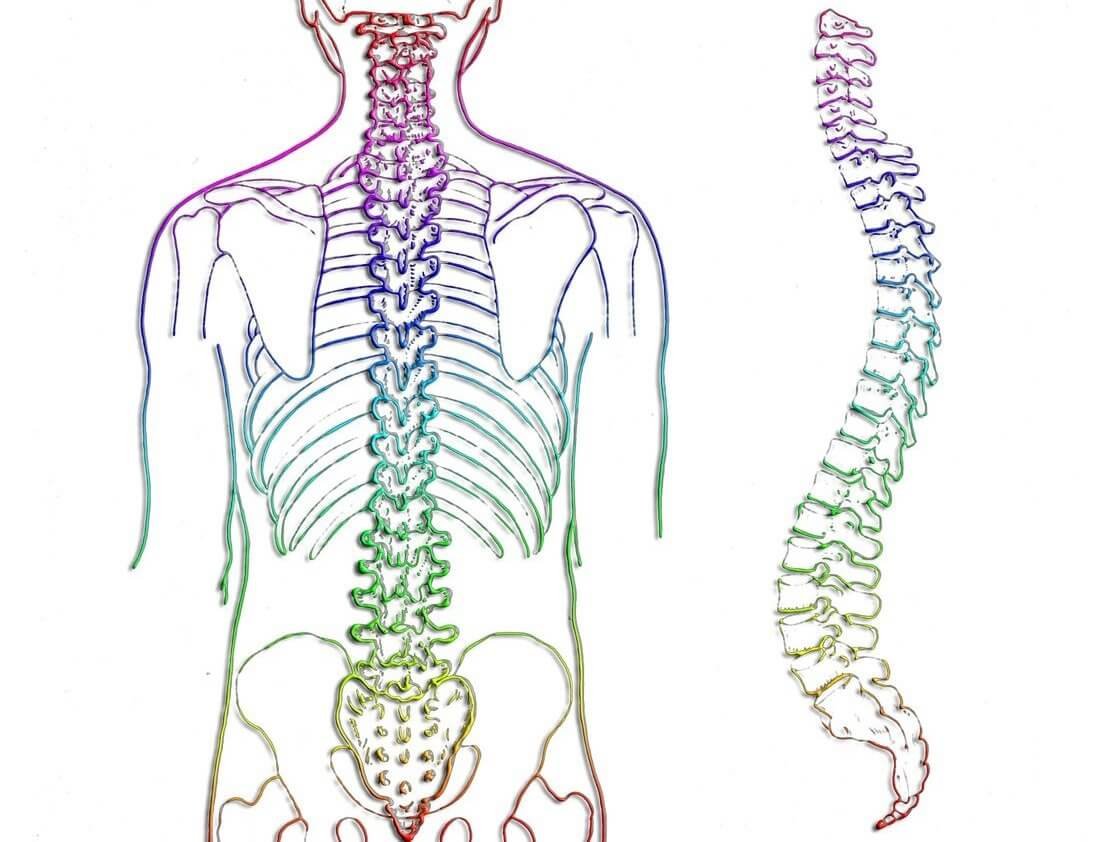
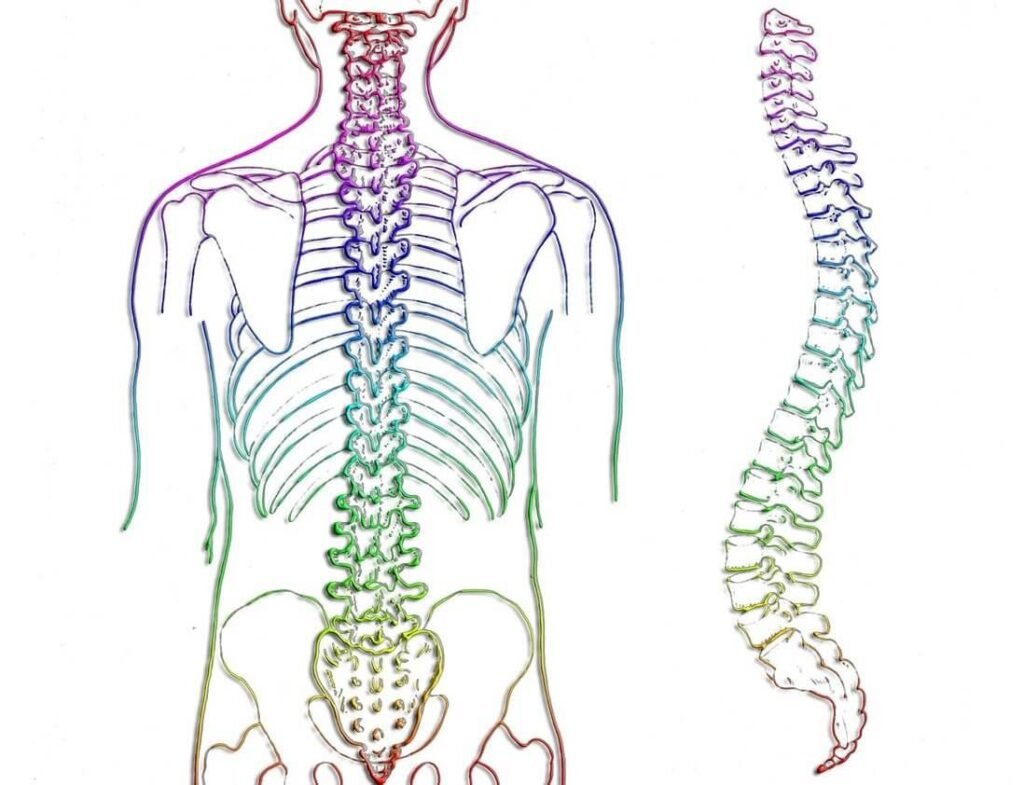
                    My fascination with chiropractic began when I delved into the writings of Hippocrates and his profound insights into the interconnectedness of the mind and body. Whilst writing my blog post on Hippocrates, I came across two particular quotes among his teachings that have still stayed with me: “When in sickness, look to the spine first,” and “Get knowledge of the spine, for this is the requisite for many diseases.”

                    This gentle prodding to keep the spine in mind was awoken again as I explored the pioneering work of Dr. Joe Dispenza in the field of mind-body healing. His research has contributed significantly to understanding the power of the mind in influencing physical health outcomes and he, himself, is a trained chiropractor.
                    When I developed a shoulder injury last year and conventional osteopathic treatments offered only limited relief, I sensed it was time to explore chiropractic care as an alternative avenue.
                    What Is Chiropractic?
                    Chiropractic is a hands-on healthcare discipline focused on the diagnosis and treatment of musculoskeletal disorders, particularly those related to the spine. Chiropractors employ manual techniques, adjustments, and manipulations to restore proper alignment of the spine and optimise the function of the nervous system. Beyond spinal adjustments, chiropractors also address issues in joints, muscles, and soft tissues to improve mobility and overall well-being.  Some chiropractors also venture into the nervous system.

                    To become a chiropractor, individuals undergo extensive education and training, typically completing a 4-5 year doctoral program culminating in the title of ‘Doctor of Chiropractic’. This rigorous training equips chiropractors with the knowledge and skills to provide comprehensive care and address a wide range of health concerns.

                    While chiropractic care is considered an alternative approach outside of the conventional Western medical model, it boasts high patient satisfaction rates. According to a study cited in the Journal of Manipulative and Physiological Therapeutics, 83% of patients report satisfaction or high satisfaction with their chiropractic treatments.

                    Navigating Controversies

                    Despite its popularity and positive patient outcomes, chiropractic care is not without controversy. Some critics question its effectiveness and safety, particularly in the context of certain spinal manipulations. A study published in the Journal of Pain Research highlights ongoing debates within the medical community regarding the evidence base and risks associated with chiropractic interventions.

                    However, my recent exploration of ‘You Are The Placebo’ by Dr. Joe Dispenza has shifted my perspective. Rather than solely relying on meta-analyses and scientific studies to validate its efficacy, I’m increasingly drawn to the notion that my belief in the treatment—what Dr. Dispenza refers to as “being the placebo”—may play a pivotal role in its effectiveness. This aligns with my personal philosophy that healing often transcends conventional medical boundaries and necessitates a much more holistic or alternative approach.

                    Personal Reflections on Healing

                    From a personal standpoint, I’ve long held the belief that managing and potentially healing conditions like Type 1 Diabetes involves more than just pharmaceutical interventions. While I value and adhere to the treatments prescribed by my Western medicine doctor, I also recognize the limitations of conventional approaches in addressing the multifaceted aspects of chronic conditions.

                    If Western medicine were going to provide a cure for Type 1 Diabetes, wouldn’t it have been on the horizon by now?  Therefore, I feel compelled to find alternative routes that offer a much more holistic treatment plan.  My decision to explore chiropractic care is one element of that plan.
                    My Chiropractor: A Holistic Approach

                    My chiropractor brings a wealth of experience to his practice, spanning many years in the field. Beyond his chiropractic expertise, he has also pursued training in functional medicine, which emphasises a personalised, integrative approach to health care. This combination allows him to not only address immediate musculoskeletal issues through chiropractic adjustments but also to consider broader factors influencing my overall health and wellbeing.

                    I have been seeing him for approximately six months now.  I know that my shoulder is improving greatly and I feel optimistic that the healing I will gain from chiropractic will extend beyond my shoulder joint and into my overall wellbeing.

                    In this way, my journey into chiropractic care represents a personal exploration of holistic health practices and their potential to complement traditional medical treatments. It’s a journey guided by curiosity, personal experience, and a belief in the interconnectedness of mind and body—a journey that continues to shape my understanding of what it means to pursue optimal health and healing.

                    GET HEALINGT1D’S FUTURE ARTICLES IN YOUR INBOX!

                    Get the latest musings and findings straight to your email inbox.

                      Picture of Natalie Leader
                      Natalie Leader

                      Natalie is a blogger with Type 1 Diabetes. Natalie’s special gifts are questioning the status quo and being a rebel. She is using these gifts to question medical ‘knowledge’ and find a true cure for Type 1 Diabetes.

                      The content of the HealingT1D website is for educational and information purposes only.  It does not contain medical advice. The contents of this website are not intended to substitute for professional medical advice, diagnosis or treatment. Please always consult with your doctor, physician, or other qualified healthcare professional before making any adjustments to your routine or healthcare regime.  HealingT1D and all associated with it will not be held liable for any risks or issues associated with using or acting upon the information on this site.
                      Recent Comments:
                    • Conqueror Virtual Challenges

                      Conqueror Virtual Challenges

                      Exploring The World, One Step At A Time

                      The content of the HealingT1D website is for educational and information purposes only.  It does not contain medical advice. The contents of this website are not intended to substitute for professional medical advice, diagnosis or treatment. Please always consult with your doctor, physician, or other qualified healthcare professional before making any adjustments to your routine or healthcare regime.  HealingT1D and all associated with it will not be held liable for any risks or issues associated with using or acting upon the information on this site.
                      healing curing type 1 diabetes naturally

                      Summary: “Conqueror Virtual Challenges” injects excitement into daily exercise routine with participants virtually explore 60+ destinations worldwide. The app offers immersive experiences with virtual postcards and factsheets, emphasising accountability, community support, and diverse exercise options. It’s a practical, motivating tool for combining fitness goals with armchair travel.

                      Adding Realistic Adventure to My Routine: Conqueror Virtual Challenges

                      In my ongoing journey towards healing, I’ve stumbled upon a resource that has added a new dimension to my exercise routine. In a previous blog post, I highlighted the importance of walking for health, acknowledging its benefits for nervous system regulation, blood pressure, cortisol levels, and Vitamin D levels (if you walk outside!). Nonetheless, the monotony of walking the same route each day can become an issue. However, I’ve found a solution that injects a bit of excitement into the mix: Conqueror Virtual Challenges.

                      What are Conqueror Virtual Challenges?

                      These challenges offer a practical way to turn your daily exercise into a S.M.A.R.T. fitness goal that keeps things engaging. Using a straightforward app, participants log their exercise distances and receive a medal upon completing the required distance for each challenge.
                      What makes these challenges interesting is their global theme. As someone who enjoys exploring new places, this aspect appealed to me greatly. Whether it’s strolling through Rome or exploring the Amazon Rainforest, each challenge offers a unique backdrop. With over 60 destinations to choose from, there’s variety to keep things interesting.

                      How Do Conqueror Challenges Work?

                      Choosing a challenge tailored to your preferences and fitness level is straightforward. Challenges vary in location and distance, with some offering additional features like virtual postcards or street view functionality. Distances can be inputted into the Conqueror App manually or via a fitness device. I personally use my Apple Watch with it, and it works seamlessly (although I do have to wait for the end of the day before it updates that day’s distance).
                      Each challenge has a specific virtual route that you walk, with Google Maps guiding your way within the app. As you progress along the route, the app delivers virtual postcards and informative factsheets about the places you’ve encountered. This transforms your walk from a mundane stroll to a global exploration.
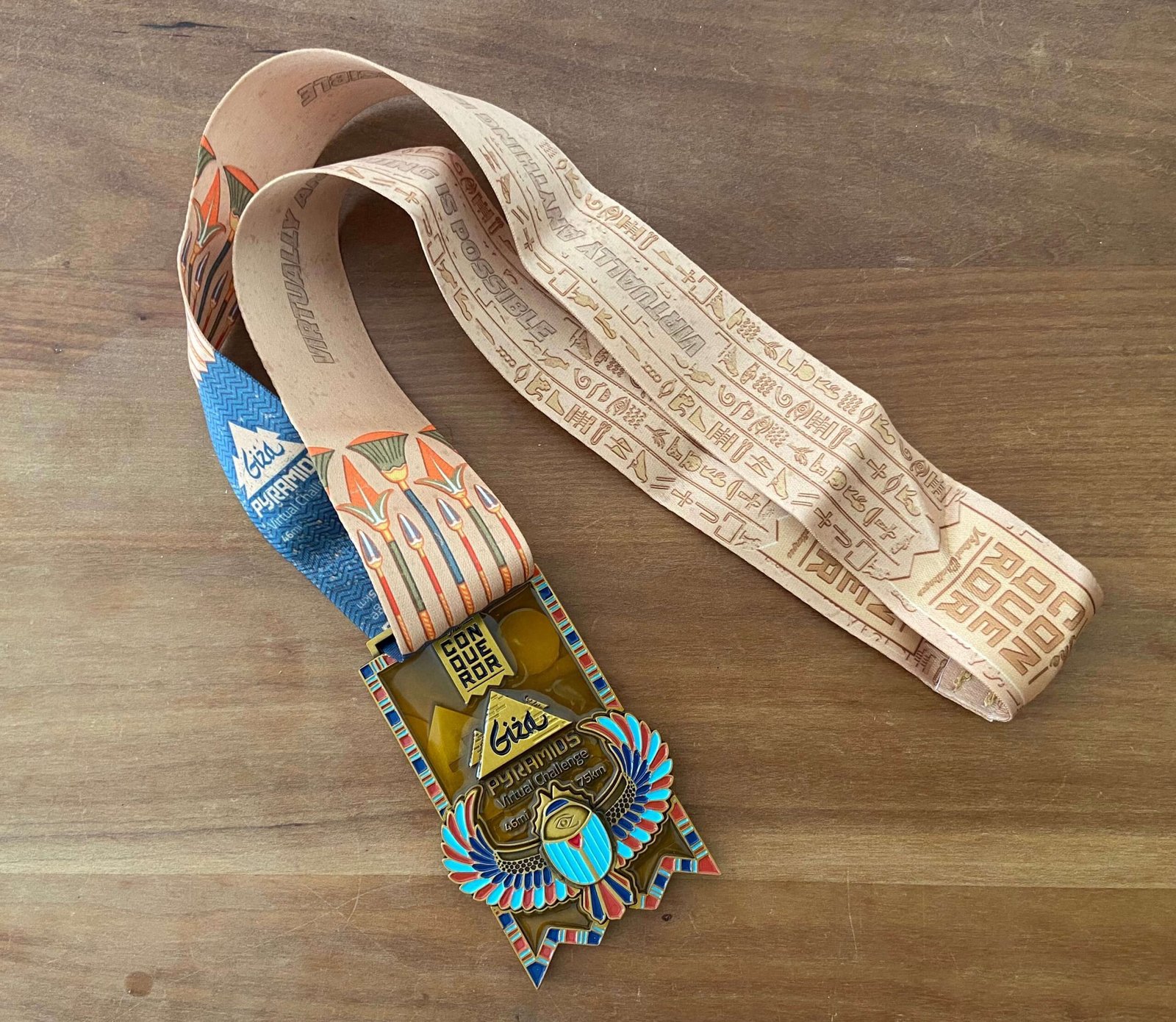
                      Upon completion, they send out a medal for completing the challenge. The medals are truly beautiful and serve as tangible rewards for your efforts. I’m more than willing to walk 100km or more just to get my hands on one of these! Each medal is specifically designed for the trail you’ve walked, featuring intricate details that make them truly special. The quality is fantastic too, making you feel truly rewarded for the effort you’ve put in.
                      Engaging with friends or family members adds a fun, supportive element. I’ve created a group with my husband (and sometimes my daughter), allowing us to see each other’s progress and adding a bit of friendly competition to the mix. This adds an extra layer of accountability, ensuring I stay ahead of my husband (in a friendly, uncompetitive way, of course!).

                      Beyond Walking: Diverse Options for All

                      While I primarily use the challenges for walking, Conqueror Virtual Challenges accommodate various forms of exercise, including swimming, running, and wheelchair-based activities. In fact, some routes seem specifically designed for other exercise types, such as the English Channel challenge for swimming or the 700-km long routes for running.
                      In the hugely supportive Conqueror Community on Facebook, people share how they use challenges for purposes beyond exercise. For example, if you need accountability for another task, you could mentally assign yourself a particular distance for each completion and then post these into the challenge. Some members even run multiple challenges at once, allowing them to track progress in different areas of their lives.
                      In conclusion, Conqueror Virtual Challenges offer a practical way to add variety to your exercise routine and stay motivated. Whether you’re looking to spice up your walks or explore new destinations from the comfort of home, these challenges provide a realistic and achievable approach to fitness goals.

                      GET HEALINGT1D’S FUTURE ARTICLES IN YOUR INBOX!

                      Get the latest musings and findings straight to your email inbox.

                        Picture of Natalie Leader
                        Natalie Leader

                        Natalie is a blogger with Type 1 Diabetes. Natalie’s special gifts are questioning the status quo and being a rebel. She is using these gifts to question medical ‘knowledge’ and find a true cure for Type 1 Diabetes.
                        The content of the HealingT1D website is for educational and information purposes only.  It does not contain medical advice. The contents of this website are not intended to substitute for professional medical advice, diagnosis or treatment. Please always consult with your doctor, physician, or other qualified healthcare professional before making any adjustments to your routine or healthcare regime.  HealingT1D and all associated with it will not be held liable for any risks or issues associated with using or acting upon the information on this site.
                        Recent Comments: