Category: Taking Control of My Health

  • The Glucose Never Lies

    The Glucose Never Lies

    A Programme To Give Knowledge and Empowerment To Those With Type 1 Diabetes

    The content of the HealingT1D website is for educational and information purposes only.  It does not contain medical advice. The contents of this website are not intended to substitute for professional medical advice, diagnosis or treatment. Please always consult with your doctor, physician, or other qualified healthcare professional before making any adjustments to your routine or healthcare regime.  HealingT1D and all associated with it will not be held liable for any risks or issues associated with using or acting upon the information on this site.
    healing curing type 1 diabetes naturally

    Summary: ‘The Glucose Never Lies’ website, created by diabetes veteran John Pemberton, offers valuable insights on managing blood sugars without strict low-carb diets. Structured for easy understanding, it covers foundational diabetes care and a dynamic glucose management model, benefiting continuous glucose monitor users. The author reports early positive outcomes, indicating its potential to revolutionise her diabetes management.

    Hey there!  Today, I want to share an absolutely fantastic website I discovered in my diabetes journey – a website called ‘The Glucose Never Lies‘, crafted by the amazing John Pemberton.

    A Family Legacy: Why John Pemberton Created His Website

    Imagine this: a seasoned Type 1 Diabetes veteran, a Diabetes Dietitian himself, creating a digital haven of knowledge for his own family.  John’s driving force?  His own children.  He wants to pass on his hard-won knowledge to his children, should they one day become diabetic themselves.  This is particularly important for John, given the higher inheritance rate from dads to their offspring.

    Beyond Disclaimers: The Goldmine of Information

    John explicitly and repeatedly wisely states that this website is not intended for anyone other than his children.  He emphasises how no medical relationship is formed and nothing he talks about should be construed as advice for third parties.  However, his website is a goldmine of information!  From tackling blood high  and blood sugars to handling exercise and dosing for meals and even a nerd corner for diabetes research – it’s a must-see.  I strongly recommend looking at what he has to offer and taking any bits that interest you (or even all of it!) to your medical practitioner to discuss if this might suit your particular diabetes situation.

    Health Without Low-Carb Struggles

    What I was particularly excited by is that this is the first resource I’ve found that shows a path to great diabetes health without enforcing a strict low-carb diet. As discussed here, I’ve danced with low-carb diets before, but they never stuck for me. The cravings were real, and “falling off the wagon” became a recurring theme. But now, this website offers a way to achieve more of those flat lines without swearing off carbs entirely – it’s nothing short of brilliant!

    Foundations: Diabetes Care Basics

    I have to say that I find his website fantastic.  It is designed for even the most unknowledgeable amongst us.  His programme for diabetes health basically consists of two stages.  The first, the foundations, covers the basics of diabetes care – such as bolus and basal insulin, dealing with hypoglycaemia, exercise and eating well for diabetes.  Even if you are an individual with a lot of diabetes experience behind you, I suspect that you can still gain a lot of useful information just from this part.  I am more than forty years into my diabetes journey and I still learnt some really great stuff here.  

    Dynamic Glucose Management: GAME, SET and MATCH

    Then comes what John calls ‘Dynamic Glucose Management’ – a three-part model: GAME (stop highs), SET (stay in target), MATCH (prevent lows).  Each part (GAME, SET and MATCH) is an acronym that helps you to remember each part of the model.  Together, these give you the overall map to diabetes health.  Nevertheless, John still goes beyond the foundations and the model to also offer  information on mealtime insulin and tailoring blood sugars for different kinds of exercise.
    Whilst it sounds like a lot of information (it is, after all!), it is broken down into bitesize sections and the whole website can be digested at your own pace. But, please, if you are thinking about implementing anything that The Glucose Never Lies website contains, please first discuss it with your doctor and/or diabetes team.  Making changes like this, particularly if you are relatively new to diabetes, can be challenging without the right support in place.

    Multifaceted Learning: Video And Written Wisdom

    What I particularly like about The Glucose Never Lies website is that each section comes in both video and written format.  Perfect for those end-of-day hours when time is yours but energy is low!

    Just a word of caution…  The Glucose Never Lies is built on the assumption that you are using continuous glucose monitoring.  The three systems that are included are the Freestyle Libre (which I use) plus Dexcom (which John uses) and Medtronic.  John does discuss in detail the use of these and their relative merits.  Therefore, if you don’t have access to CGMs, this approach is probably not going to be the one for you.  Whilst I think there would still be a lot of information to be gained from the website, your ability to implement it may be somewhat limited.

    Early Gains: Implementing Wisdom In Real Life

    I’m in the early stages of implementing John’s wisdom, and guess what? I’ve already shaved off 0.2% from my HbA1c. I’m seeing more flat lines on my Freestyle Libre 2, feeling more positive, and more in control of my blood sugars. Trust me, the time spent on this website is an investment in your health!

    So, head over to The Glucose Never Lies, soak in the knowledge, and let’s conquer diabetes together!

    GET HEALINGT1D’S FUTURE ARTICLES IN YOUR INBOX!

    Get the latest musings and findings straight to your email inbox.
      Picture of Natalie Leader
      Natalie Leader

      Natalie is a blogger with Type 1 Diabetes. Natalie’s special gifts are questioning the status quo and being a rebel. She is using these gifts to question medical ‘knowledge’ and find a true cure for Type 1 Diabetes.
      The content of the HealingT1D website is for educational and information purposes only.  It does not contain medical advice. The contents of this website are not intended to substitute for professional medical advice, diagnosis or treatment. Please always consult with your doctor, physician, or other qualified healthcare professional before making any adjustments to your routine or healthcare regime.  HealingT1D and all associated with it will not be held liable for any risks or issues associated with using or acting upon the information on this site.
      Recent Comments:
    • Type 1 Diabetes and The Menstrual Cycle

      Type 1 Diabetes and The Menstrual Cycle

      PCOS And Its Improvement Over Time

      The content of the HealingT1D website is for educational and information purposes only.  It does not contain medical advice. The contents of this website are not intended to substitute for professional medical advice, diagnosis or treatment. Please always consult with your doctor, physician, or other qualified healthcare professional before making any adjustments to your routine or healthcare regime.  HealingT1D and all associated with it will not be held liable for any risks or issues associated with using or acting upon the information on this site.
      healing curing type 1 diabetes naturally

      Summary: Today’s post focusses on something relevant to those who identify as female: the menstrual cycle.  The author discusses Type 1 Diabetes and menstrual cycles, including recounting struggles with PCOS, including severe symptoms that significantly improved over time, possibly due to pregnancy and enhanced insulin sensitivity.

      I was shocked to find out today (thanks to this journal article) that the rate of Type 1 Diabetes is 1.8 times higher in those that are biologically male than it is in those that are biologically female.  I guess, having grown up in a family with Type 1 Diabetes just in the female line, I had a bit of a gender bias with my assumption here.  I thought that the split would be at least even between the genders.  I have been corrected!  So, this article may not apply to a fair percentage of people reading this blog but, for those that it does, I feel it’s really important to write.

      Today, I am talking about Type 1 Diabetes and the menstrual cycle.  I haven’t exactly had an easy time of things in this area during my lifetime.  My periods arrived late (something that is not uncommon in those with Type 1 Diabetes **ARTICLE**).  This led to several visits to a gynaecologist, who diagnosed me with Polycystic Ovarian Syndrome (again, not uncommon in Type 1 Diabetes **ARTICLE**).  Then, the fun really started.  The periods that I had became almost unbearable.  The highlights included:

      • bleeding that lasted two weeks straight
      • so much blood that I once had to stay on the toilet for fives days straight
      • irregular bleeds (something else that is much more common in people with Type 1 Diabetes)
      • years without periods
      • and such out of control emotions that, whilst in a premenstrual period, I screamed so badly at one of my school friends that she never spoke to me again.  

      Not fun.  Looking back on that time now, I believe that a fair amount of the dramatic symptoms I had could be linked to, or directly attributed to, my Polycystic Ovarian Syndrome (PCOS).  

      Healing Polycystic Ovarian Syndrome

      At the time of diagnosis, it was explained to me that PCOS is an incurable condition.  So I battled on with the symptoms, took birth control to regulate myself and shrugged my shoulders about my lot in life.  Well, now I don’t have PCOS.  I had a scan a couple of years ago for an unrelated issue and was told that I did not have it.  There are no cysts on my ovaries at all and my ovaries are a normal size.  Of course, at that time, I was told that I must have been misdiagnosed the first time around.  (I didn’t ask the consultant at this time if I had also been misdiagnosed at the second, third, fourth, fifth, sixth and seventh scans and also during all of my pre-pregnancy planning with my medical team!).

      I still have some excess facial hair but, beyond that, I have nothing to report.  My periods are regular (I mostly have a 28 to 30 day cycle each month).  The only exception to this is when I am particularly stressed out, which results in higher insulin levels and more insulin for my system.  I have no excessive symptoms throughout my cycle – no pain, no cramping, no excessive bleeding, no other disruptions or inconveniences.  

      What Do I Believe Healed My Polycystic Ovarian Syndrome?

      I think it was two things.  Firstly, I believe that getting pregnant really helped. I remember once hearing Victoria Beckham (yep, the Spice Girl) once say that her PCOS healed when she had her first baby, Brooklyn.  I think there’s something about pregnancy that presses the reset button on the female reproductive system.  So there’s that.  But that’s not exactly convenient for those that would like to get rid of their PCOS without the long-term commitment of raising a human to adulthood!  So…  

       Secondly, I believe the reduction in my insulin requirements has also contributed to improving my PCOS. In my teens and twenties, I needed 16-18 units of Novorapid per meal and 22 units of Lantus nightly. Today, despite being heavier, I only require 2-4 units per meal and 12-16 units at night. This change is solely due to decreased insulin resistance rather than weight loss.
       

      What factors contributed to this increased sensitivity? Essentially, everything I do to promote a healthier and happier lifestyle. These practices, which I extensively discuss on my blog, enhance my overall well-being. Unsure where to begin? Start with something that resonates with you. Avoid adding stress by forcing activities you don’t genuinely want to do, as stress exacerbates insulin resistance.

      Type 1 Diabetes with a Regular(ish) Menstrual Cycle

      Now that I am on a regular 28- to 30-day cycle, I still have challenges with varying insulin resistance at times.  This has become even more clear to me since I have eliminated the gluten and dairy.  Both gluten and dairy were triggering inflammation in my system and, as I have been banging on about for ages, inflammation causes insulin resistance…  Just think of how much more insulin you have when you have the flu or tonsillitis or any other such lovely.  After all, that’s what the sick day rules of diabetes were created for!

      Now that I have eliminated the gluten and dairy, it has become more obvious to me that there are more predictable fluctuations in my insulin needs over the course of each menstrual cycle.  Even with insulin resistance in the mix, I was already aware of the need for extra insulin during the week before my period (when I say more, I mean DOUBLE!).  However, more subtle variations are now becoming more evident.  To understand this in context, I’m going first need to divert for a moment to talk about the various phases of the menstrual cycle.

      The Four Phases Of The Menstrual Cycle

      A healthy menstrual cycle consists of four main phases.  Whilst every woman is different and one woman’s periods can fluctuate in duration from one month to the next, the following is a guide of what the phases of the menstrual cycle may look like:

      Days 1-5: Menstruation Phase

      This is the ‘time of the month’ when the uterus lets go of its lining and a blood flow is observed.  This bleed usually lasts for between three and seven days each month.  Levels of oestrogen and progesterone are at their lowest levels during this phase of the menstrual cycle.

      Days 6-14: Follicular Phase

      During this phase, the uterus builds a thick lining in preparation for receiving the ovum (or egg) that will be released from the ovary in the coming days.  In this phase, oestrogen typically rises whilst progesterone levels stay low.

      Days 15-19: Ovulatory Phase

      It is during this phase that an ovum is developed and then released into the uterus, ready to be fertilised by an sperm that are present.  Both oestrogen and progesterone rise during this phase, peaking at the time just before ovulation.

      Days 20-28: Luteal Phase

      Assuming the ovum is not fertilised by a sperm, at this point the lining of the uterus is shed and the levels of oestrogen and progesterone fall back down to their lowest levels, preparing the body for menstruation.

      Varying Insulin Resistance Caused by Oestrogen and Progesterone

      In terms of blood sugar levels during the menstrual cycle, there are two key players that affect insulin resistance.  These are oestrogen and progesterone.  oestrogen is understood to decrease insulin resistance (increase insulin sensitivity).  Progesterone is understood to increase insulin resistance (decrease insulin sensitivity).  So, with fluctuating levels of BOTH of these hormones during the entirety of the menstrual cycle, less predictable blood sugar readings are to be expected.  Here is what I have found:

      Day 1 of my period: My insulin resistance dramatically switches off sometime during this day.  My insulin requirement halves.  It’s hard not to end up with an unexpected hypo (or elevated blood sugars for a large part of the day) with this unpredictable switch.

      Days 2 – 4: my insulin sensitivity is high.  I need half to two-thirds of my ‘usual’ Novorapid doses.  Hypos are not unexpected territory here.

      Days 5-8: usual insulin sensitivity (and therefore blood sugar control) is resumed.

      Days 11-14: somewhere in this mix, my insulin requirements increase.  This is in-line with the release of the ovum.  This release increases two hormones LH and FSH, which are known to cause brief periods of insulin resistance.

      Days 15-23: my blood sugars are stable here and my insulin requirements are in the normal range.  

      Days 24-28: my insulin resistance is THROUGH THE ROOF!  I need more bolus (double!) and basal insulin.  I also appear to be more sensitive to carbohydrates…   My body reacts sharply and dramatically to any carbohydrates I eat.  The progesterone is by far the biggest player in this blood sugar pattern, with the lowering effect of the oestrogen appearing to be insignificant or absent in my case.  I also have strong carbohydrate cravings at this time.  I believe these cravings are due to my body not being able to access the glucose already in my bloodstream because my insulin levels are not sufficient as a result of the dramatic insulin resistance.  Nice Catch-22 there!

      I have learnt that my period pattern is substantiated in the medical literature.  As an example, Barata et al. (2013) clearly demonstrated that blood sugar control is markedly different between the follicular and luteal phases, with more insulin being required in the latter half of the menstrual cycle.

      I haven’t, as yet, got to the point where I can predict with any degree of certainty what insulin requirements I might have on each day of my cycle.  It’s still a bit hit-and-miss.  But, now having a clearer picture of what my cycle is doing and how my insulin requirements change over each few days of my cycle, I have more hope than I did.  I will report back with what I learn!

      GET HEALINGT1D’S FUTURE ARTICLES IN YOUR INBOX!

      Get the latest musings and findings straight to your email inbox.

        Picture of Natalie Leader
        Natalie Leader

        Natalie is a blogger with Type 1 Diabetes. Natalie’s special gifts are questioning the status quo and being a rebel. She is using these gifts to question medical ‘knowledge’ and find a true cure for Type 1 Diabetes.

        The content of the HealingT1D website is for educational and information purposes only.  It does not contain medical advice. The contents of this website are not intended to substitute for professional medical advice, diagnosis or treatment. Please always consult with your doctor, physician, or other qualified healthcare professional before making any adjustments to your routine or healthcare regime.  HealingT1D and all associated with it will not be held liable for any risks or issues associated with using or acting upon the information on this site.
        Recent Comments:
      • Gluten Sensitivity

        Gluten Sensitivity

        Its Impact On Health And Healing

        The content of the HealingT1D website is for educational and information purposes only.  It does not contain medical advice. The contents of this website are not intended to substitute for professional medical advice, diagnosis or treatment. Please always consult with your doctor, physician, or other qualified healthcare professional before making any adjustments to your routine or healthcare regime.  HealingT1D and all associated with it will not be held liable for any risks or issues associated with using or acting upon the information on this site.
        healing curing type 1 diabetes naturally
        Summary: The author, navigating a journey of healing, now confronts gluten sensitivity alongside her prior dairy intolerance. Gluten, prevalent in wheat-based foods, triggers mood symptoms. Eliminating gluten has markedly enhanced the author’s insulin sensitivity and overall wellbeing, highlighting its profound impact on managing Type 1 Diabetes and promoting health.

        The next step on my healing journey has become about food again.  Having identified my problem with dairy two years ago, I have now discovered that gluten is also a problem for me.

        What Is Gluten?

        Gluten is a protein (a long-chain amino acid) that is found in cereals like wheat, rye and barley.  These cereals are found in a wide range of processed foods today, including bread, rolls, croissants, pasta, breakfast cereals and beer.  Because gluten is a core component of flour, it is also commonly added to soups, sauces and salad dressings, as well as a whole host of recipes served in restaurants.

        What Is The Difference Between Gluten Sensitivity And Coeliac’s Disease?

        Gluten sensitivity is a label given to people who struggle to process gluten.  There are three main kinds of gluten sensitivity: coeliac disease, non-coeliac gluten sensitivity and wheat allergy.  This article will briefly discuss coeliac disease but its main focus will be non-coeliac gluten sensitivity.

        Coeliac disease is a condition that results from a person’s immune system reacting to digested gluten.  It triggers an autoimmune response that produces antibodies to the gluten.  These antibodies end up damaging the lining of the small intestine.  This damage results in the small intestine being unable to process food and can lead to malnutrition.  Whilst coeliac disease is a genetically-inherited condition, symptoms may not present themselves until adulthood.  There is a higher incidence of coeliac disease in the Type 1 Diabetes population, with approximately 8% of the population also having coeliac.  

        Interestingly, this article on coeliac disease highlights a correlation between gut microbiome presentations and the development of coeliac disease.  I firmly believe that Type 1 Diabetes is, at heart, the result of a gut issue so it would therefore not be a long stretch to have coeliac disease also present in the diabetes population.

        By comparison, non-coelic gluten sensitivity (NCGS) is not an autoimmune condition.  Whilst the body is still reacting to gluten, there is no antibody reaction and damage to the small intestine does not occur.  However, NCGS does cause the body to release more of a protein called zonulin, which can break down the gut lining anyway and cause leaky gut syndrome (see an excellent explanation here).  This is particularly important for Type 1 Diabetes because it has been found in recent years that this increased gut permeability allows gluten to cross the intestinal barrier.  These gluten peptides then may induce stress in the insulin-producing beta cells of the pancreas and therefore put more pressure on these cells.  More pressure then leads to faster burnout of the beta cells and thus faster inducement of Type 1 Diabetes.  Indeed, research has shown that following a gluten-free diet during pregnancy reduces the risk of Type 1 Diabetes in offspring.

        What Are The Symptoms Of Gluten Sensitivity?

        The most commonly noted symptoms for non-coelic gluten sensitivity (NCGS) are diarrhoea, bloating and gas.  I did not have any of these (well, it turns out that I had a lot of internal gas but none of it ever made its presence known!).  Therefore, I believe that a more comprehensive list of symptoms of NCGS should read as follows:

        • Diarrhoea
        • Bloating
        • Gas
        • Stomach aches
        • Stabbing headaches behind the eyes
        • Exhaustion
        • Nausea
        • Feeling low in mood, particularly feeling defeated and devastated without environmental reasons
        • Retching
        • Runny nose (I thought it was a hayfever reaction)
        • Cough (always comes on within 20 minutes of eating gluten)
        • Brain fog (I just can’t really think too well!)

        How Can Gluten Sensitivity Be Diagnosed?

        NCGS is harder to diagnose than coeliac disease because there is no recommended methods to diagnose and test for this condition. Today, diagnosis results from a process of eliminating other possible diagnoses.  Firstly, a reaction to gluten must be noted.  Usually, this is done via a food log.  Each time gluten is eaten, any reactions need to be noted down, along with the timing of these symptoms.

        If a pattern emerges in symptoms following digestion of gluten, investigations for wheat allergies and coeliac’s disease must be conducted first to eliminate these as explanations for the symptoms.  This will be undertaken via a surgical procedure.  For two weeks prior to the procedure, gluten needs to be consumed in adequate quantities to provoke any potential reactions.  I underwent a full and thorough upper and lower gastroscopy, with multiple samples being taken.  The results came back as negative for all tests undertaken.  My digestive tract appeared generally healthy and no sign of coeliac’s disease was present.  Therefore, the only cause left to explain my symptoms was non-coeliac gluten sensitivity.

        My Gluten Story

        Looking back on my life, I suspect that my non-coeliac gluten sensitivity may have always been present. As a child, every Wednesday, my parents would cook me Spaghetti Bolognese for dinner and then send me off to Brownies for an hour. The problem was, I mostly hypo’d my way through Brownies. My father would inject my insulin when I ate but it would always hit in before the carbohydrates from the spaghetti got into my bloodstream. In the end, he solved this problem by waiting until I got back from Brownies before giving me my injection.

        But why did I digest the spaghetti so slowly? I suspect that what was happening there was my gluten intolerance. Spaghetti is high in gluten and my stomach (or complete digestive tract) struggled to process this protein, thus causing it not to be available in the bloodstream when the insulin arrived. But this was not the only clue I had.

         I had a test for coeliac disease some twenty years ago. I can’t quite remember why I asked for this but I guess, on some subconscious level, I knew something wasn’t quite right. I had a full colonoscopy and was found to not have coeliac’s disease (there was no destruction of my small intestine). I was, however, found to have a lot of food still left in my stomach at the time of the procedure, despite following the required starving period beforehand. My doctor at the time suggested that I had gastroparesis (delayed stomach-emptying) and left it at that. No further investigations were conducted at that time.

        But a suggested diagnosis of gastroparesis didn’t make sense. My blood sugar would usually react within ten to fifteen minutes of eating some food. That isn’t slow digestion. But these carbohydrates could have been coming from sugar or from rice or from vegetables – sources of carbohydrates that do not contain gluten. I think that that gastroparesis was actually a demonstration of my body’s inability to process gluten (and perhaps also the dairy) that I was eating at that time. It was all just backlogged in my stomach.

        What About You?

        Could you also be someone with Type 1 Diabetes who has a food intolerance (or two!).  Do you have any of these symptoms?  They can be subtle or easily dismissed but they may be extremely important to your healing.  I believe that healing asks us to lean in closer to our bodies and really listen and understand what it is asking for.  Is your body asking for release from gluten toxicity too?

        Watch out for subtle signs.  Watch out for mood swings (or anxiety or depression) that are sporadic and/or unexplained by life circumstances.  Watch out for that runny nose or that cough that just doesn’t make sense in the context of your life.  Please don’t become paranoid, just become curious.  Your healing could be in those subtle signs.

        Life After Gluten

        Having now (mostly) removed gluten from my diet, I have witnessed something extraordinary.  My insulin sensitivity for meal times has increased dramatically!  I now take 50-75% less insulin per meal, for the same amount of carbohydrates (from 4-5 units of Novorapid to 1-2 units per meal).  I also have reduced my basal by 25% (from 16 units to 12 units).  My body mass has not changed and neither have any of my habits or activity levels.  Just the removal of gluten.  I am also less tired.  I have more energy.  No more headaches.  No more bloating or farting (so far!).  Not a lot of low mood (apart from at the full moon – more on that later!).

        I’m wondering whether this reduction in insulin levels is because I now have less inflammation (see previous article) in my system.  I liken it to when you’re ill.  When sickness sets in, blood sugar levels rise.  Hence the ‘sick day rules’ that are handed out at hospital check-ups.  This is due to increased inflammation in the system during the illness.  Gluten causes the same effect in me.  So, by removing that inflammation, less insulin is needed to maintain blood sugar levels.

        Grieving The Loss Of Gluten

        Don’t misunderstand me.  I am not finding giving up gluten easily.  I really feel like I’m grieving its loss.  I have already (mostly) given up dairy and am reaping the benefits from that.  But I feel like, with each elimination, I’m walking towards a future that is just going to have vegetables in it.  I love cake (the occasional piece!).  And bread.  And good pasta (preferably in Italy!!).  And gluten-free bread just doesn’t cut it when compared to a soft fluffy roll or a beautiful freshly-baked baguette.  (If you’re struggling too, I have found the Warburton’s Gluten-Free range to be some of the best out there so far.)

        Healing is a process.  I know that I felt a similar grief when I stopped dairy.  I have found a balance with that now where, when I really miss it, I pay the price and have a piece of dairy-laden cake (instead of the not bad dairy-free equivalent!).  It takes time.  Healing takes time.  It’s a process, not a destination.  Every day I don’t eat gluten and dairy, I feel better, I feel alive, I feel energised.  So it’s actually a choice towards health and vitality, rather than a move away from foods  love.  It’s a move towards bringing myself towards alignment and being who I am truly meant to be.  And that’s worth it.

        GET HEALINGT1D’S FUTURE ARTICLES IN YOUR INBOX!

        Get the latest musings and findings straight to your email inbox.

          Picture of Natalie Leader
          Natalie Leader

          Natalie is a blogger with Type 1 Diabetes. Natalie’s special gifts are questioning the status quo and being a rebel. She is using these gifts to question medical ‘knowledge’ and find a true cure for Type 1 Diabetes.

          The content of the HealingT1D website is for educational and information purposes only.  It does not contain medical advice. The contents of this website are not intended to substitute for professional medical advice, diagnosis or treatment. Please always consult with your doctor, physician, or other qualified healthcare professional before making any adjustments to your routine or healthcare regime.  HealingT1D and all associated with it will not be held liable for any risks or issues associated with using or acting upon the information on this site.
          Recent Comments:
        • Béchamp and Pasteur

          Béchamp and Pasteur

          The Origins of Our Current Formulation of the Human Body

          The content of the HealingT1D website is for educational and information purposes only.  It does not contain medical advice. The contents of this website are not intended to substitute for professional medical advice, diagnosis or treatment. Please always consult with your doctor, physician, or other qualified healthcare professional before making any adjustments to your routine or healthcare regime.  HealingT1D and all associated with it will not be held liable for any risks or issues associated with using or acting upon the information on this site.
          healing curing type 1 diabetes naturally

          Summary: Ethel D. Hume’s book ‘Béchamp or Pasteur? A Lost Chapter in the History of Biology’ challenges  the conventional medical wisdom that is influenced by Louis Pasteur’s germ theory. Instead, Hume promotes Antoine Béchamp’s holistic approach. Hume’s argument is still relevant today, urging reconsideration of medical paradigms like Type 1 Diabetes treatment.

          I have just finished reading the book ‘Béchamp or Pasteur? A Lost Chapter in the History of Biology’ by Ethel D. Hume.  This book has challenged the way we think about our own bodies and the ‘illness’ of Type 1 Diabetes that our doctors tell us we have.

          About The Book: Hume’s Attitude

          Hume’s book is an exposé about the very beginnings of the germ theory of modern medicine. At the root of this issue, Hume argues, is the conflicting views and theories of two groups of scientists. The first group was led by the French chemist and microbiologist Louis Pasteur (after whom ‘pasteurisation’ – a preservation technique used up to the present day that uses heat to eliminate bacteria and thus extend the shelf-life of products – is named).

          The second group was led by his contemporaneous counterpart, and eventual adversary, Antoine Béchamp. Hume argues that medicine of today has been led astray by the erroneous, and sometimes fabricated, experimental results of Louis Pasteur. Hume believed that Pasteur’s conclusions have been accepted into the mainstream largely because Pasteur, unlike Béchamp, was a fabulous self-promoter who yearned for fame and glory in the scientific, and worldwide, community. He therefore promoted his findings as widely as he could (including to Napoleon III at Tuileries Palace in 1863!) and thus became sanctified in medical knowledge.

          By contrast, Béchamp was a very unassuming man who did excellent scientific work but who was more retiring when it came to promoting his works widely. Unfortunately, he felt that his works would speak for themselves and that this was be sufficient. This turned out to not be the case.

          On top of blaming Pasteur’s arrogance and self-promotion, Ethel Hume also believes the lack of appreciation of Béchamp’s works can also be blamed on mankind as a whole for not being clever enough to not be led astray…

          “the majority of mankind, ignorant of the cytological elements, have been delighted with a crude theory of disease which they could understand, and have ignored the profound teaching of Professor Béchamp.” (Hume, 1923/2017, p. 219)

          This book was not a happy book to read.  I didn’t come away feeling fulfilled in any way.  Not just because the content is complicated and, at times, hard to grasp.  But also because Ethel Hume writes with such detest for Pasteur that I felt her argument at times descended into a bit of a moan fest about all that Pasteur had done wrong and how the wonderous, honourable Béchamp had been side-swiped.  Indeed, she goes as far as to conclude her book with a final sentence that calls Pasteur a ‘fraud and charlatan’ (Hume, 1923/2017, p. 343)!  I wish she had had a bit more of the discernment that her hero Béchamp demonstrated!

          The Pasteur/Béchamp Balance: The Need for Béchamp’s Work Today

          I understand Ethel Hume’s desire to redress the balance that she feels has been left out-of-balance by Pasteur’s wrongdoings but I feel that Béchamp’s work could have stood on its own in the debate, without such emphatic declarations of fraud and wrongdoing on Hume’s part.  However, this book was published over 100 years ago, in 1923.  I am aware that scientific writings in that time, such as those written by Freud, were as much personal writings as they were scientific proofs, a fine blend of friend-to-friend analogies and stories combined with excerpts of scientific rigour and experimental findings.  Therefore, perhaps I am being unfair in expecting something more scientifically robust and emotionally neutral of a writer from this  time period. 

          My view on the validity of the contributions to medical knowledge of Pasteur and Bechamp are also not as one-sided as Hume.  I believe that modern medicine needs both the germ theory of Pasteur and the environmental and corporeal contribution to health that Béchamp argued for.  After all, without Pasteur’s germ theory, there would be no antibiotics to treat viral infections and infected wounds.  The bubonic plague that killed 50 million people in the 14th century would not have had such a devastating impact if antibiotics were available then! 

          However, I am equally aware that the plague of the today’s world is chronic illness, with the World Health Organisation (WHO) estimating that noncommunicable diseases (otherwise known as chronic illnesses) ‘kill 41 million people each year, equivalent to 74% of all deaths globally’.    Of these, WHO states that 2 million are killed by diabetes (please note, though, that there is no delineation between the different types of diabetes in this figure).  Perhaps a medical science based on Béchamp’s understandings would have taken us to a different point today, where more answers would have been found for chronic diseases, but maybe fewer for bacterial infections. 

          Progress Between Then And Now

          What is particularly interesting about this piece of writing, considering the timeframe within which it was written, is how little progress we have really made between then and now in terms of developing a more holistic view of the human body. We’re still dominated today by a medical viewpoint that is looking for the germ or the piece of DNA or the bodily cell that has ‘gone wrong’ and needs ‘fixing’. We still believe that the illness is caused by something in the body (unless it something more obvious like, say, an allergy, but even then it is the body’s reaction to the stimulus that is ‘wrong’ rather than the presence of the allergen in the first place!).

          The medical community mostly does not consider the environment (both internally and externally) of a patient and how that may be contributing to the illness or disease. For this reason, I feel it was worth leaning more closely towards this book’s contents and considering what may be gleaned for us today, searching to understand the highly medicalised version of Type 1 Diabetes in a new way.

          With this attitude in place, I am going to try to outline the scientific theories of Pasteur and Béchamp, as outlined in this book, and then draw them into perspective for the relevance for Type 1 Diabetes today.

          Pasteur’s Argument: All Illnesses Are Caused By Germs

          Both Pasteur and Béchamp were involved in the discovery and theorisation of what has become known as ‘germ theory’ today.  Pasteur’s views and conclusions are the ones that have become a central tenet of the ethics of modern, mainstream medicine.  Pasteur argued that the all illnesses are caused by germs that infiltrate the body:

          “For Pasteur… there is no spontaneous disease; without microbes there would be no sickness, no matter what we do, despite our imprudence, miseries and vices!” (Hume, 1923/2017, p. 218)

          In Pasteur’s view, we are not responsible for our diseases, they ‘happen’ to us through the arrival of germs into our lives.  By contrast, Béchamp provided multiple paths to consider in the development of disease (or dis-ease, perhaps!).  I shall look at each of these in turn now.

          Béchamp’s Alternative: Illnesses Are A Result Of The Bodily Environment

          Béchamp took the polar opposite view to Pasteur.  His rigorous scientific research gave rise to the conclusion that it is the environment itself, that which the cell is surrounded by, which will determine whether or not the cell develops a disease.  Béchamp postulated that multiple factors could influence this environment.  The first contributing factor that Hume highlights Béchamp considered as important in the development of illness was the place where the disease started:

          “Diseased microzymas should be differentiated by the particular group of cells and tissues to which they belong, rather than the particular disease condition with which they are associated.” (Hume, 1923/2017, p. 243)

          This belief is in alignment with the ancient practice of Tantra.  Tantra outlines seven chakras of the body, which are understood to be centres in the body that are of physiological and psychical importance.  In diabetes, it is believed that the third chakra, known as the Solar Plexus, is blocked.  Thus, the energy of the cells and tissues surrounding the pancreas is disrupted and it is this disruption in the energy of the cells that is believed to contribute to the illness of diabetes that prevails.

          I believe that this postulation of Béchamp’s (that environment matters) is key.  We are so focussed on trying to ‘fix the disease’ of diabetes, to find ways to get the beta cells doing what they should be doing.  But what about providing the right environment so that the beta cells decide of their own accord to switch back to producing insulin?  How do we create the environment so that they do that?  Ethel Hume hints at an answer:

          “In place of the modern system of treating the phantom of a disease-causing entity, and trying to quell it by every form of injection, scientific procedure on Béchamp’s lines would be to treat the patient taking into account his personal situation and characteristics; for those depend upon his anatomical elements, the microzymas, which, according to Béchamp, build up his bodily frame, preserve it in health [and] disrupt it in disease” (Hume, 1923/2017, p. 247).

          Béchamp’s Role For Nutrition

          As well as the environment that the diseased cells exist in, Hume highlighted how Bechamp’s work has led his collaborators to also question the role that nutrition plays in the health of the body:

          “Is the supply of these little living bodies in the food essential to the continued vitality of human beings, or is it not?…  He [Lord Geddes] thought there was the possibility – many think the extreme probability – that the presence of these little living bodies in the food is essential to health.” (Hume, 1923/2017, p. 259)

          Whilst I am yet to hear that food is rich in these ‘little bodies’ (microzymas), I do not think it is a stretch too far to consider the role of food in our health, in order to create the ideal bodily system within which our beta cells can prosper and produce insulin again. 

          Béchamp’s Belief That Cells Can Revert To Their Primary Function

          Indeed, my previous discussion about how delta cells can turn back into insulin-producing beta cells (see here) aligns perfectly with Béchamp’s early theories about the reversal of disease within microzymas:

          “Similar observations had already been made by Professor Béchamp, who, with his collaborators, had demonstrated the connection between a disturbed state of body and the disturbed state of its indwelling particles, which, upon an unfavourable alteration in their surroundings, are hampered in their normal multiplication as healthy microzymas and are consequently prone to develop into organisms of varied shape, known as bacteria.  Upon an improvement in their environment, the bacteria, according to Béchamp’s view, may through a process of devolution return to their microzymian state, but much smaller and more numerous than they were originally.” (Hume, 1923/2017, pp. 275-276)

          Whilst Béchamp’s work obviously focussed on bacteria and diseases that result from them, I do not feel it is particularly far-fetched to wonder if the same process may not be at work in ‘non-diseased’ cells, such as the beta cells that are so infamously “broken” in Type 1 Diabetes.  As such, could these ‘smaller and more nuemours’ cells that Hume speaks of be the ‘abnormal gene’ that Daniel Darkes (link) was found to possess after his Type 1 Diabetes was healed…?

          Béchamp’s Role For Beliefs In Health

          Although slightly unrelated to the work of Béchamp that so far been discussed in this book, Hume continues her discussions on the implications of Béchamp’s work by outlining a case study of two men exposed to a disease called hydrophobia (known today as ‘rabies’):

          “Two young Frenchmen were bitten at Havre by the same dog in January 1853.  One died from the effects within a month, but before this the other young man had sailed for America, where he lived for fifteen years in total ignorance of the death of his former companion.  In September 1868, he returned to France and learned of the tragedy, and then himself developed symptoms; within three weeks he was dead of hydrophobia! (Hume, 1923/2017,p. 291)

          Even though I wasn’t particularly sure how this case study fitted in with Béchamp’s work, I found it fascinating in its own right.  This example beautifully illustrates the importance of our beliefs in the trajectory of illnesses.  As people with Type 1 Diabetes, we are led to believe by our medical practitioners that we have an incurable and potentially life-limiting disease and that this disease has only one outcome: a horrible decline towards death.  For us, therefore, our beliefs around Type 1 Diabetes need to be tackled.  Hume argues that ‘the avoidance of fear is… of fundamental importance after a dog bite’.  I would argue that the avoidance of fear is fundamental for any illness, whether bacteria-driven or ‘autoimmune’.

          My Thoughts Going Forward

          I think what has been re-emphasized to me as I read my way through this book was how divided medicine has become and how much that might affect those of us with chronic illnesses, like Type One Diabetes. This divide reminds me of the ancient yet ongoing debate in psychology about the extent to which genes and environment contribute to psychological development and psychological distress. I suspect that this ‘nature versus nurture’ debate is exactly mirrored in the ‘Béchamp versus Pasteur’ debate. If so, I believe that psychology may be giving us a sneak preview of where this debate might lead to.

          Psychology has now got to the point of admitting that the answer to the question ‘Is it nature or nurture?’ is ‘Yes’! The field of epigenetics has really helped here. It has demonstrated that genes are adaptable to environmental inputs. So, while you may have a particular genetic predisposition to a certain condition, the environment within which you find yourself (or create for yourself) is likely to impact, or even overrule, the genetics. Why should this be any different for physical illnesses? In that scenario, you may develop an illness that is provoked by your environment, but then why could the illness not be ‘switched off’ by changing these provoking environmental factors?

          Perhaps medical science of today just hasn’t been sufficiently considering the environment within which a patient gets sick so they have not been looking for the environmental triggers that need to be removed.

          In this book, Hume cited quotes by Florence Nightingale and Pidoux, both of which I want to leave you with now as I believe they so fantastically summarise my views in this post.

          “Disease is born of us and in us” (Pidoux, cited in Hume, 1923/2017, p. 218)

          “For disease, as all experience shows, are adjectives, not noun substantives” (Florence Nightingale, as cited in Hume, 1923/2017, p. 245)

          So let us change our states, our current adjectives to describe our current selves, and find a new health in our lives today.

          Bibliography:

          Hume, E. D. (2017). Bechamp or Pasteur?  A Lost Chapter in the History of Biology.  [First published in 1923.]  London: Distant Mirror.

          GET HEALINGT1D’S FUTURE ARTICLES IN YOUR INBOX!

          Get the latest musings and findings straight to your email inbox.

            Picture of Natalie Leader
            Natalie Leader

            Natalie is a blogger with Type 1 Diabetes. Natalie’s special gifts are questioning the status quo and being a rebel. She is using these gifts to question medical ‘knowledge’ and find a true cure for Type 1 Diabetes.
            The content of the HealingT1D website is for educational and information purposes only.  It does not contain medical advice. The contents of this website are not intended to substitute for professional medical advice, diagnosis or treatment. Please always consult with your doctor, physician, or other qualified healthcare professional before making any adjustments to your routine or healthcare regime.  HealingT1D and all associated with it will not be held liable for any risks or issues associated with using or acting upon the information on this site.
            Recent Comments:
          • Reflection and Gratitude

            Reflection and Gratitude

            Having Come So Far

            The content of the HealingT1D website is for educational and information purposes only.  It does not contain medical advice. The contents of this website are not intended to substitute for professional medical advice, diagnosis or treatment. Please always consult with your doctor, physician, or other qualified healthcare professional before making any adjustments to your routine or healthcare regime.  HealingT1D and all associated with it will not be held liable for any risks or issues associated with using or acting upon the information on this site.
            healing curing type 1 diabetes naturally

            Summary: Reflecting on her journey, the author embraces a moment of peace and gratitude for her progress. From struggling with mental health and physical ailments to finding healing through therapy and personal growth, she celebrates being free from depression, anxiety, and other conditions. She now lives optimistically, cherishing life’s blessings and feeling at peace with herself.

            I’m taking a moment just now to be reflective, be still and at peace.  I am pausing to take notice of where I am now.  To notice just how far I’ve come.  I think it becomes really easy on a healing journey to spend so much time looking at the end goal – that panacea of health, whatever that may be for you or me – that we forget to be thankful for everything that has already happened and that we have already achieved.  I guess this post is one of gratitude for all the ways that I have served my own higher good and my own blossoming health.

            Looking Back To Where I Was

            I am thinking back to the teenager I was.  I was angry.  I got dressed in black everyday.  I didn’t want to mix with the majority of people in the world.  I didn’t care about my diabetes.  I didn’t care about my health.  From here, things only got worse.  By my twenties, my mental health had descended into a very deep, dark pit.  I was so depressed that I couldn’t get out of bed for weeks at a time.  I was so anxious that just walking down to the corner of my street, about 50 metres, was too much for me.  I was trapped both in my mind and in my house.  

            As well as Type 1 Diabetes, clinical depression and clinical anxiety, I had polycystic ovarian syndrome, temporomandibular jaw dysfunction and recurrent infections.  I spent a lot of my time seeing doctors.  None of them seemed to be able to offer me anything more than temporary relief from symptoms.
            I carried my victim status in all my interactions.  I felt the world was out to get me.  I felt the medical profession was my enemy.  I felt God had abandoned me.
            I wasn’t really aware at that time just how much I had come undone.  I carried on until I couldn’t carry on anymore.  I then got help.  I started with psychotherapy.  I saw multiple therapists over a ten-year period.  Some helped some.  Some didn’t help at all.  One changed my life.  Actually, he enabled me to change my life.  That was the start of a thousand steps on my road of healing.

            Gratitude For The Now

            I am sitting here today, free of mental health issues.  I have safely weaned myself off antidepressants.  No anxiety, no depression remain.  I no longer have temporomandibular jaw dysfunction.  I rarely see any doctors or need to (apart from my usual diabetes check-ups).  I eat well.  I move well.   I am optimistic about life.
            I suspect that my inability to just sit down is rooted in my nervous system too.  My twitchiness, my desire to always move and ‘do’ seems indicative of a fight-or-flight reaction.  If you’re being stalked through the trees by a predator (or your body thinks that’s the case), you’re not just going to kick back and stargaze, are you?!
            I have put down my victim mentality and picked up grace instead.  I am grateful for all that life has given me.  I am grateful for the woman it has enabled me to become.  I am grateful for all the opportunities that life presents.  I am grateful for the peace in my heart and the love that surrounds me.  I’ve gone from continually reassuring myself, pleading with myself, that I’m ‘not a bad egg’ to telling myself that life is good.  And really feeling that in my heart.  I am healing.  I am well.  Life is good.
            healing curing type 1 diabetes naturally

            GET HEALINGT1D’S FUTURE ARTICLES IN YOUR INBOX!

            Get the latest musings and findings straight to your email inbox.

              Picture of Natalie Leader
              Natalie Leader

              Natalie is a blogger with Type 1 Diabetes. Natalie’s special gifts are questioning the status quo and being a rebel. She is using these gifts to question medical ‘knowledge’ and find a true cure for Type 1 Diabetes.
              The content of the HealingT1D website is for educational and information purposes only.  It does not contain medical advice. The contents of this website are not intended to substitute for professional medical advice, diagnosis or treatment. Please always consult with your doctor, physician, or other qualified healthcare professional before making any adjustments to your routine or healthcare regime.  HealingT1D and all associated with it will not be held liable for any risks or issues associated with using or acting upon the information on this site.
              Recent Comments:
            • NEWSFLASH!

              NEWSFLASH!

              The Link Between Insulin And Dopamine

              The content of the HealingT1D website is for educational and information purposes only.  It does not contain medical advice. The contents of this website are not intended to substitute for professional medical advice, diagnosis or treatment. Please always consult with your doctor, physician, or other qualified healthcare professional before making any adjustments to your routine or healthcare regime.  HealingT1D and all associated with it will not be held liable for any risks or issues associated with using or acting upon the information on this site.
              healing curing type 1 diabetes naturally

              Summary: Researchers at Vanderbilt University Medical Center have discovered insulin’s impact beyond digestion, revealing its role in brain function and dopamine systems. This breakthrough aligns with Candace Pert’s holistic hormone theory. For the author, who has ADHD, this raises questions about insulin’s influence on symptoms and its potential link to depression and diabetes management through pleasure-inducing dopamine.

              I have just come across an article in Science Daily that I wanted to talk about.  It has finally been found that insulin not only plays a role in digestion but it also influences brain function.  At last the wider scientific community are catching up with Candace Pert’s research. who argued that hormones like insulin are body-wide and influence both the brain and the body!

              This research, undertaken by researchers at the Vanderbilt University Medical Center, has shown that insulin has a direct effect on the brain’s dopamine systems.  When insulin is low or absent in the body, the dopamine pathways do not fire.  This results in a lack of stimulation to the brain regions that recognise reward, attention and movement.

              This is particularly interesting for me because of my ADHD symptomology.  Could it be that my ADHD symptoms are purely a result of my insulin levels in my system?  And, therefore, could they fluctuate in severity with any excess or lack thereof?

              I am also aware how dopamine plays a key role in enabling us to feel pleasure.  So that makes me wonder if an absence of dopamine is likely to cause an absence of pleasure i.e. depression?  The rate of depression is diabetics is significantly greater than the general population, with adolescents with Type 1 Diabetes are five times more likely to be depressed than their healthy counterparts.

              A final question that this research encourages me to ask is…  Can improvement in pleasure (which would cause dopamine production in the brain) result in more insulin production (or a decrease in the inhibition of insulin production)?  Could increased pleasure help to heal Type 1 Diabetes?  It’s certainly worth investigating…  Who doesn’t want more pleasure in their lives?!

              GET HEALINGT1D’S FUTURE ARTICLES IN YOUR INBOX!

              Get the latest musings and findings straight to your email inbox.

                Picture of Natalie Leader
                Natalie Leader

                Natalie is a blogger with Type 1 Diabetes. Natalie’s special gifts are questioning the status quo and being a rebel. She is using these gifts to question medical ‘knowledge’ and find a true cure for Type 1 Diabetes.

                The content of the HealingT1D website is for educational and information purposes only.  It does not contain medical advice. The contents of this website are not intended to substitute for professional medical advice, diagnosis or treatment. Please always consult with your doctor, physician, or other qualified healthcare professional before making any adjustments to your routine or healthcare regime.  HealingT1D and all associated with it will not be held liable for any risks or issues associated with using or acting upon the information on this site.
                Recent Comments:
              • High Blood Pressure

                High Blood Pressure

                Balancing It With Faith And Rest

                The content of the HealingT1D website is for educational and information purposes only.  It does not contain medical advice. The contents of this website are not intended to substitute for professional medical advice, diagnosis or treatment. Please always consult with your doctor, physician, or other qualified healthcare professional before making any adjustments to your routine or healthcare regime.  HealingT1D and all associated with it will not be held liable for any risks or issues associated with using or acting upon the information on this site.
                healing curing type 1 diabetes naturally

                Summary: God has thrown  a curveball—hypertension! Shocked by a sudden reading of 139/72, the author is now walking daily and monitoring her blood pressure religiously. Despite her doctor’s weight-loss advice, she is focusing on rest and trusting her intuition for healing. It’s a scary journey, but she is relying on faith for guidance and hope.

                Hypertension Enters Stage Left

                God has thrown me a curve ball.  A big one.  I strolled into my diabetologist’s office for my latest check-up, only to be told that I have hypertension!!  

                Say, what?!  I was a little shocked to say the least!  My blood pressure has been somewhere between 117/78 and 120/80 FOREVER!  It was so predictable that I gave up asking what it was when I went for check-ups.  There was no point.  I took my eye off the ball and this is what happened…

                I got a reading of 139/72.  My doctor told me to lose weight and wrote me a prescription for high-dose vitamin D (I guess he’s in the clear, then…  He prescribed me something so has been a hugely effective doctor.  Yeah, right.)

                Searching For Answers

                Now, the thing is…  I’m a bit stumped where this has come from.  I know that I have gained some weight but I have been this weight at other points in my life without an impact on my blood pressure.  In terms of stress, it’s probably the lowest it’s ever been in my life.  In fact, my husband jokingly said that maybe it’s my body’s rebellion against the lack of stress…  It’s created a way to give me more stress and therefore get me back into my ‘normal range’!!  

                But I’m not going to choose to understand it that way.  For me, this is a gift from God.  This is God directing me to my next level of healing.  He’s asking me to step up and make the next level of change.  And I’m taking the challenge on!

                Ch-Ch-Ch-Ch-Changes

                Since I found out. I have committed to walking for 30 minutes every morning.  I haven’t missed a single one.  And I won’t.  I have already pictured myself turning around  to my diabetologist at my next check-up and telling him that I’ve walked every day since I last saw him.  it’s written in stone.  It’s done.

                I’ve also invested in a blood pressure monitor (the same one that my doctor uses…  I’m a nerd like that!).  I am monitoring it twice a day.  After all, data is key!  Interestingly, nearly all of o my readings are normal so I’m looking forward to seeing what it is at my next check-up!

                For now, contrary to my doctor’s advice, I’ve decided not to focus on losing weight.  I outlined in my three posts on ‘Food, Food Everywhere’ (herehere and here) why I feel that health and healing for me doesn’t lie at the end of a diet and I still stick with that.  It just doesn’t feel right to be messing around with that right now and I’m going to trust my intuition on that.

                Instead, I am implementing rest with a vengeance!!  Every day, I am now getting my hyperactive bum to stay put on a chair or other suitably relaxing piece of furniture (bed, sofa or – my favourite – the sun lounger!) for a minimum of 30 minutes.  My body  needs to relax and I’m showing it the way.

                To be truthful, I am scared.  I am scared that my heart might explode whilst I’m exercising or that the damage being done to my body during every day of hypertension will be catastrophic or irreparable.  So I’m relying on my faith.  God has a plan that I can only see one step of right now.

                GET HEALINGT1D’S FUTURE ARTICLES IN YOUR INBOX!

                Get the latest musings and findings straight to your email inbox.

                  Picture of Natalie Leader
                  Natalie Leader

                  Natalie is a blogger with Type 1 Diabetes. Natalie’s special gifts are questioning the status quo and being a rebel. She is using these gifts to question medical ‘knowledge’ and find a true cure for Type 1 Diabetes.

                  The content of the HealingT1D website is for educational and information purposes only.  It does not contain medical advice. The contents of this website are not intended to substitute for professional medical advice, diagnosis or treatment. Please always consult with your doctor, physician, or other qualified healthcare professional before making any adjustments to your routine or healthcare regime.  HealingT1D and all associated with it will not be held liable for any risks or issues associated with using or acting upon the information on this site.
                  Recent Comments:
                • NEWSFLASH!

                  NEWSFLASH!

                  Diabetes Not Resulting From An Attacking Immune System

                  The content of the HealingT1D website is for educational and information purposes only.  It does not contain medical advice. The contents of this website are not intended to substitute for professional medical advice, diagnosis or treatment. Please always consult with your doctor, physician, or other qualified healthcare professional before making any adjustments to your routine or healthcare regime.  HealingT1D and all associated with it will not be held liable for any risks or issues associated with using or acting upon the information on this site.
                  healing curing type 1 diabetes naturally

                  Summary: Recent research from the Netherlands suggests Type 1 Diabetes may stem not from immune system dysfunction, but stressed beta cells triggering immune responses. This challenges conventional wisdom, affirming my belief in my immune system’s health. Stress—be it from anxiety, toxins, or environment—is identified as a key factor. Managing stress could restore beta cell health.

                  I have just tripped over an article in Science Daily that talks about a newly-discovered mechanism through which T1D develops!  It highlights how a team of researchers in the Netherlands have found that the root cause of T1D may not be due to a problem with the immune system but a problem with the beta cells.  The researchers found that these beta cells are becoming highly stressed and it is this highly-stressed state that causes the immune system to attack them. 

                  This may sound just like a matter of pedantics but I assure you it is not!  This piece of research highlights two key points:

                  1. The immune system of a Type 1 Diabetic is completely healthy!  It is simply doIng its job of clearing away defective cells from the human body.  

                  2. The reason these insulin-producing beta cells are cleared away from the immune system is because they are HIGHLY STRESSED!

                  This research therefore really confirms to me what I have suspected for quite a while now…  My immune system is healthy.  (My mum always told me she thought I had very good core health.  You know, I never even get a head cold!!)  Instead, it is an external factor that is causing my beta cells to become stressed and therefore be ‘attacked’ by my immune system.  This external factor is stress, with stress in this context meaning anxiety, anger, fear and toxins of the environment and body.

                  Please note how, in the paragraph above, I used the present tense when I said ‘is causing my beta cells to become stressed and therefore be ‘attacked’ by my immune system’.  That was no mistake.  The estimated life span of beta cells is 1-3 months.  Therefore, the beta cells in my body that were supposedly burnt out forty years ago were not the only ones I was meant to get.  My body should have replaced them with new ones within three months.  That didn’t happen.  So, what must be happening instead, is that my body is choosing to KEEP destroying, or not growing, beta cells on a continuous basis.  My beta cells must be continuously stressed and therefore continually removed by my immune system.  Now I just need to remove enough stress from my body to take it out of the continuous fight-or-flight state that it is in so that my beta cells are no longer deemed to be ‘stressed’ by my immune system.  

                  GET HEALINGT1D’S FUTURE ARTICLES IN YOUR INBOX!

                  Get the latest musings and findings straight to your email inbox.

                    Picture of Natalie Leader
                    Natalie Leader

                    Natalie is a blogger with Type 1 Diabetes. Natalie’s special gifts are questioning the status quo and being a rebel. She is using these gifts to question medical ‘knowledge’ and find a true cure for Type 1 Diabetes.

                    The content of the HealingT1D website is for educational and information purposes only.  It does not contain medical advice. The contents of this website are not intended to substitute for professional medical advice, diagnosis or treatment. Please always consult with your doctor, physician, or other qualified healthcare professional before making any adjustments to your routine or healthcare regime.  HealingT1D and all associated with it will not be held liable for any risks or issues associated with using or acting upon the information on this site.
                    Recent Comments:
                  • An Academic Essay on Type 1 Diabetes

                    An Academic Essay on Type 1 Diabetes

                    Written Whilst Training As A Psychotherapist

                    The content of the HealingT1D website is for educational and information purposes only.  It does not contain medical advice. The contents of this website are not intended to substitute for professional medical advice, diagnosis or treatment. Please always consult with your doctor, physician, or other qualified healthcare professional before making any adjustments to your routine or healthcare regime.  HealingT1D and all associated with it will not be held liable for any risks or issues associated with using or acting upon the information on this site.
                    healing curing type 1 diabetes naturally
                    Summary: This essay challenges Cartesian medical views of Type 1 Diabetes, advocating psychotherapeutic approaches rooted in holistic ‘bodymind’ theories from Freud to contemporary neuroscience. Highlighting Candace Pert’s neuropeptide research and Allan Schore’s affect regulation theory, it proposes that emotional factors in early life may influence diabetes onset, expanding psychotherapy’s potential role.
                     

                    Today, I have decided to publish an essay I wrote several years ago as part of my training as a psychotherapist.  It was really the turning point for me when I realised that Type 1 Diabetes could actually be curable.  I hope that, by publishing it, I may inspire you too to embrace the possibility of healing T1D that lies before us now.

                    Is psychotherapy relevant in preventing the onset of medical conditions that are not considered to have a psychosomatic root?  Discuss with reference to the medical diagnosis of ‘Type 1 Diabetes’.

                    Introduction

                    Type 1 diabetes is a chronic, life-altering medical condition that currently affects approximately 400,000 people in the UK (Juvenile Diabetes Research Foundation International, 2010).  Recent estimates suggest that at least 29,000 of these are under nineteen years of age and that this incidence rate is expected to double in the UK by 2020 (National Paediatric Diabetes Audit Report, 2016). Despite the large prevalence, little is still known about its aetiology and a cure does not seem imminent.  This essay will explore the relevance of psychotherapy to preventing the onset of type 1 diabetes (hereafter referred to as ‘diabetes’).  First, diabetes will be defined according to Western medicine’s concepts, highlighting how its foundation is based on Cartesian dualism.  From here, psychotherapeutic theories of the body will be explored, with a particular focus on Freudian and Reichian concepts.  The limitations of these theories, which are again based on Cartesian dualism, will be discussed and the more holistic view offered by body psychotherapy, and its concept of an integrated ‘bodymind’, will be considered to gain a broader insight into how the understanding of diabetes could be understood.  This essay will then extrapolate the concept of ‘bodymind’ using the work of Candace Pert on neuropeptides and the work of Allan Schore on affect regulation to consider how such concepts could be applied to diabetes.  Finally, through the use of a vignette, the theoretical understanding gained through the exploration in this essay will be applied to psychotherapeutic practice and its relevance confirmed.

                    Owing to space limitations, a complete investigation into the field of mind-body psychotherapeutic and philosophical theory is impossible.  The highly influential, early mind-body theories of Freud’s followers Ferenczi (1917/1980), Ferrari (Carvalho, 2012) and Groddeck (1977) will not be addressed here. Furthermore, when considering the application of neuroscience to the understanding of diabetes, Damasio’s (1994) deconstruction of the mind-body split will be discounted in favour of the affect regulation theory of the neuroscientist Allan Schore (2003), who draws on and expands Damasio’s work.

                    Defining Diabetes

                    Western medicine is based on the philosophy of Cartesian dualism, which posits that the mind and body are made of different substances and therefore must be distinct entities (Descartes, 1999; Descartes, Sanderson Haldane, & Thomson Ross, 1641/1993).  This mind-body binary has led to medicine defining diabetes as a bodily disease.  The mechanism of onset is understood to result from the body’s immune system destroying beta cells in the pancreas that are responsible for producing insulin (Diabetes.co.uk, 2018).  Insulin, originally considered to be a hormone, is known to regulate blood sugar levels.  The body cannot survive long without insulin, thus diabetics are required to invoke a complex treatment regime that includes blood tests, insulin injections and intensive management of their diet and lifestyle.

                    Despite many years of research into diabetes, the aetiology of this ‘misfiring’ of the immune system, as well as possible methods of prevention of the disease, remain elusive (Atkinson, 2005).  Nevertheless, in recent years, medical researchers have been able to acknowledge that autoimmune disorders, such as diabetes, often co-occur with other autoimmune disorders (Castiblanco & Anaya, 2007), suggesting the cause of diabetes is larger than a simple targeting of the immune system against the beta cells of the pancreas.  Indeed, the lack of conclusions concerning the underlying mechanisms of diabetes has now pushed researchers to investigate new avenues.  One of the most promising appears to be that of the importance of the intestines in the onset of diabetes.  Initial findings are highlighting a possible role for the immune-mediating microbiota of the intestines in promoting autoimmunity and beta-cell function, both of which can precipitate diabetes (Silverman, et al., 2017).

                    Against this background of a Cartesian medical understanding of the aetiology of diabetes, psychotherapy understands its place in the treatment of diabetics as being one of focusing on the stressful and disruptive period of adjustment following the diagnosis (Harvey, 2015), along with the mental health consequences, which include, inter alia, eating issues (Peveler et al., 2005), depression (Anderson, Freedland, Clouse, & Lustman, 2001) and anxiety (Cox et al., 1987). 

                    Let us now turn to the psychotherapeutic theory of the mind-body relationship to progress the argument for how diabetes can be understood aside from the current view of medicine.

                    Early Psychotherapeutic Approaches to the Body: Freud and His Followers

                    Sigmund Freud, often thought of as the ‘father of psychoanalysis’, provided a foundation of theory for the relationship between mind and body.  Freud’s sexual drive theory held the body and its experience as a central tenet.  Freud defined a drive as existing ‘on the frontier between the mental and the somatic’ (1915/2001, p. 121).  In other words, a drive can be understood as a process of representing the body in the mind. Freud (1923/2001) maintained this position throughout his vast body of theory.  However, it is important to note that Freud’s stance had an inherent Cartesian dualism (Livingstone-Smith, 1999).  He continually theorised about the interconnection between the mind and body, and thus was treating them as separate entities.

                    Freud’s consistent theoretical recognition of the bi-directional interplay between the two separate entities of mind and body was enriched by many proponents in the psychoanalytic field.  The first notable contributor was Jung (1966) with his concept of the somatic unconscious.  He posited that the somatic unconscious was a kind of physiological unconscious and that this had to, somehow, be connected to the psyche on both a conscious and an unconscious level.  However, he did not explain what this connection was.  In contrast to Freud and Jung, Winnicott (1949/1975) proposed that, at the start of life, the psyche (mind) and soma (body) co-exist as a mutual whole, rather than existing in a dualistic manner.  He termed this the ‘psyche-soma’ and proposed that the mind emerges and differentiates itself from this integrated state during early childhood.  Then, later in healthy development, he proposed that the mind then anchors itself back in the soma (Winnicott, ibid.).  Thus, Winnicottian theory posits that, for the majority of a person’s life, the body is an embedded part of the psyche.  However, whilst all of the aforementioned psychoanalytic theories gave an early insight and some initial developments into the relationship between mind and body, none engaged with the question of how to work with the body in a clinical situation. 

                    The first psychoanalyst who worked with the body proper was Wilhelm Reich (Goodrich-Dunn & Greene, 2002).  Reich expanded Freud’s ideas about the effect of childhood experiences on development.  For Reich, early trauma resulted in disruptions in the flow of energy around the body, resulting in energy blocks that he termed ‘character armouring’ (Reich, 1972).  He felt these were evident in the way a person held and moved their body in space.  Thus, for Reich, the mind and its experiences fundamentally influenced the physical functioning of the body.  However, Reich’s work did not become widespread during his lifetime due to an injunction by the US Government against his distributing information and because, having violated this injunction, he was imprisoned (Sharaf,1994).  The psychoanalytic community therefore distanced themselves from Reich and excluded him from the International Psychoanalytic Association.  This lead to a feeling of illegitimacy over Reich’s work and a dearth of attention being focussed on the body and bodily experience in psychoanalytic theory (Chodorow, 1995; Heuer, 2005).  From here, the exclusion of the body from psychotherapeutic treatments proliferated and a trend towards behavioural and cognitive approaches to psychotherapy began (Mahoney, 1977).  The ‘talking cure’ of psychotherapy was thus created and defined, with diabetes being left as a medical condition whose aetiology is not of concern to the psychotherapist.

                    An Alternative Approach: Body Psychotherapy’s ‘Bodymind’

                    One of the most recent, and successful reintroductions of the body into psychotherapy comes from the body psychotherapist Nick Totton.  Totton (2003) bases his work on the body around the concept of the ‘bodymind’. Totton (ibid.) postulates that, in contradiction to the theorists outlined so far, there is no such thing as a mind-body split.  Instead, there is ‘mind-body holism’, where the idea that a person’s problem is either psychological or neurological or biochemical or mental no longer exists.  Instead, the bodymind is made up of and represents all of these elements, intertwined as a whole.  Therefore, from a body psychotherapy perspective, diabetes would no longer be conceptualised as a purely physical disease.

                    So how does body psychotherapy, with its understanding of the unity of body and mind, re-define and work with ‘physical’ health conditions, such as diabetes?  Unfortunately, this is where Totton becomes silent.  There are no references to working with chronic illnesses such as diabetes that, by Western medicine’s standards, would be termed ‘physical illnesses’.  Totton (2003) seems to only venture towards illnesses and physical manifestations that would, even by Western standards, be deemed ‘psychosomatic’, such as anorexia and bulimia.  So does that mean there is no possibility for a different, holistic view of diabetes?  For an answer, let us keep in mind Totton’s ‘bodymind’ whilst considering the work of the neuroscientist Candace Pert.

                    Candace Pert’s Neuroscientific Research on Neuropeptides

                    Candace Pert’s research focuses a particular kind of molecule in the body called ‘peptides’.  These are small protein-like molecules, which are made up of a string of amino acids.  They were originally thought to exist only in the body.  However, Pert and her team have identified that these molecules are, in fact, also produced in the brain and exist simultaneously in both body and brain (Pert, 1997).  Of particular interest for this essay are the peptides that are specifically produced by nerve cells in the brain, known as ‘neuropeptides’.  Pert and colleagues highlight how neuropeptides and their receptors enable a psychosomatic network to exist in the body, where emotions and bodily functions exist in a multidimensional communication system (Pert, Ruff, Weber & Herkenham, 1985).  This is because the neuropeptides produced in the brain have receptors into which they fit located throughout the body and influence the functioning of the organs directly.

                    Pert has conducted a large amount of research on the role of neuropeptides in the brain, particularly in the limbic system.  The limbic system is responsible for attachment, affect regulation and aspects of emotional processing.  Two of the main components of this system are the amygdala and the hypothalamus.  These two brain regions have been found to have neuropeptide receptors that exist in a density forty times higher than that in other areas of the brain (Pert, 2002).  Pert (1997, p. 33) therefore hypothesises that neuropeptides are the ‘obvious candidates for the biochemical mediation of emotion’.  She further suggests that, since these neuropeptides are found distributed throughout the body and in all of the major organs, body and emotions are highly interlinked via these neuropeptides.  Pert’s (ibid.) therefore supports Totton’s view of a holistic ‘bodymind’.

                    Insulin has now been re-identified as a neuropeptide (Hendricks, Roth, Rishi, & Becker, 1983).  Insulin works in the body via the pancreas and this is a location where neuropeptide receptors have been found (Pert, 1997).  Furthermore, in the brain, insulin has been found to be received by insulin receptors in the limbic system, namely the amygdala and hypothalamus (Pert, ibid.).  Thus, insulin can also be seen to directly link emotions and the body in a bi-directional relationship. This author therefore postulates that the onset of diabetes can no longer be understood as simply resulting from a purely organic ontogeny since the mental and physical systems are so highly interlinked by neuropeptides.  Instead, it is possible to conceive of the dysregulation of insulin resulting from either emotional dysregulation or bodily dysregulation.  In other words, psychological distress can impact the onset of diabetes as much as physiology.  Whilst this hypothesis is significant, it is not a new idea.  In the 1960s, Solomon & Moos (1964) challenged the prevalent Cartesian dichotomy by highlighting how emotional states can significantly alter the course and outcome of biological illnesses previously considered to be purely somatic.  However, again, diabetes was not under the microscope in that piece of research.

                    Another part of Pert’s (2002) research that is relevant to this essay concerns her work on the immune system.  Pert (ibid.) discusses how she can also no longer delineate between the immune system and the combined psychosomatic (brain/body) network outlined above.  Neuropeptides have been found to penetrate the immune system, as much as the endocrine and nervous systems, existing in mutual close physical and communicative contact (Blalock, Harbour-McMenamin, & Smith, 1985).  Specifically, emotion-affecting neuropeptides, like insulin, have been found to directly control the routing and migration of monocytes, which are pivotal in the immune system.  One of the roles of monocytes is to communicate with beta cells, such as those which become dysregulated and attack the pancreatic cells during the onset of diabetes.  Indeed, Pert (1997) discusses how the cells of the immune system also possess receptors for neuropeptides and also make the neuropeptides themselves.  In other words, the cells of the immune system are also producing and receiving the chemicals that are responsible for emotion.

                    Interestingly, the entire lining of the intestines is lined with cells that contain neuropeptides and neuropeptide receptors (Pert, et al., 1985).  This highlights how, as well as the emotional centre of the brain, the gut and immune system are also governed by neuropeptides.  The role of the gut in the neuropeptide system is an interesting finding especially since Western medical research is now focusing on the role of the gut in the development of diabetes. It would appear that Western medicine, is catching up with the ancient holistic philosophies of the East. Chan, Ho, & Chow (2001) highlight how, in the Far East, there is a more holistic focus on body, mind, cognition, emotion and spirituality, which have resulted from the philosophies of Buddhism, Taoism and traditional Chinese medicine.  This holistic view intuitively understands the role of the gut in the brain.  For example, Young (2006) highlights an old Japanese saying ‘A true man thinks with his belly’ and the Chinese discipline of Tai Chi considers the belly as the ‘Dan’tien’, the centre of the body, the source of all action. 

                    Allan Schore: Affect Regulation And The Right Hemisphere Of The Brain

                    With an understanding of how the immune system is connected to emotion regulation via the psychosomatic network of neuropeptides, the work of Allan Schore becomes highly relevant.  Schore (2003) is emphatic about the role that affect plays in regulating the maturation of the right hemisphere of the brain, particularly in the first three years of life.  The right brain contains the emotion-processing limbic system.  Furthermore, it is also responsible for the production of neuropeptides, including insulin, and thus regulates the autonomic nervous system via reciprocal connections with the body (Schore, ibid.; Pert, 1997; Wittling, Block, Schweiger, & Genzel, 1998).  The maturation of the right brain is experience-dependent, specifically relying on the social-emotional experiences embedded in the attachment relationship with the primary caregiver (Schore, 2003).  Prolonged periods of a lack of ‘good enough’ intersubjectivity (Winnicott, 1965), resulting in trauma, can occur as a result of neglect, abuse or even prolonged misattunement of a primary caregiver. These misattunements result in the infant regulating their own emotional state, since they are unable to rely on the affect regulation of their primary caregiver (Lachmann & Beebe, 1997).  The infant is required to use all of their as-yet underdeveloped right-brain functionality to re-regulate themselves, thus leaving little capacity for the normal development of right-brain functions (Schore, 2001, 2002). 

                    The underdevelopment of the right-brain capacities due to affect dysregulation can be considered highly relevant to the onset of diabetes.  As highlighted above, the limbic system, responsible for insulin production and affect regulation, is contained within the right hemisphere.  Therefore, the combination of Schore’s (2003) findings of the impact of affect dysregulation with Pert’s (1997) psychosomatic network of neuropeptides shows how a poor relationship with the primary caregiver can lead to reduced growth in the right hemisphere, which includes the cortex necessary for insulin production.  Substantial research already exists to support this hypothetical link.  For example, research into the aetiology of diabetes has found that serious life events in childhood, such as trauma, increase the risk of developing diabetes threefold (Karavanaki, et al., 2008; Littorin, et al., 2001; Nygren, et al., 2015).  This reduction in development in the right hemisphere is likely to have a lifetime impact, since it plays a dominant role in the regulation of the physiology, endocrinology, neuroendocrinology and immunology systems throughout the lifespan (Hugdahl, 1995).

                    The Relevance Of Psychotherapy To The Onset Of Diabetes: Myself As A Case Study

                    I developed diabetes at 18 months of age.  The first 18 months of my life contained great emotional instability.  I was raised by a mother who was highly anxious and depressed and therefore I suspect that she was unable to attune to my moment-by-moment needs.  Infants of depressed mothers, who are subject to continued affect dysregulation due to mismatches between mother and infant, show higher activation of the right brain (Field, Fox, Pickens, & Nawrocki, 1995), which has been linked to increased psychopathology in both infants and adults (Davidson et al., 1990).  This essay has shown how psychopathology equates to bodily pathology, via dysregulation and sub-optimal development of the neuropeptide system in the right brain.  Therefore, it is possible to theorise that my mother’s depression caused sub-optimal development of the neuropeptides and neuropeptide receptors in the right-brain limbic system, which resulted in the onset of the ‘medical’ condition of diabetes.

                    How can psychotherapy help with the onset of diabetes?  At diagnosis, the majority of the beta cells in the pancreas, which are necessary for insulin production, have been destroyed.  However, prior to that point, the pancreas is in the process of shutting down and a patient is deemed to have ‘pre-diabetes’ (Simell, Winter, & Schatz, 2010).  Upon identification of members of this at-risk population, psychotherapy’s role becomes vitally important in two ways.  Firstly, for infants, it can provide the role of helping the primary caregiver to re-regulate their own affects, thus enabling more effective attunement to take place with the infant.  This would reduce the pressure on the infant’s developing right-brain structures, including the limbic system, and therefore reduce or eliminate the resulting underdevelopment.  Secondly, for older children, direct psychotherapy, or even play therapy, could be used to help the child themselves contain and regulate their own emotions.  This would relieve pressure on the right-brain structures responsible for the regulation of the endocrine, physiological, endocrinological, neuroendocrinological and immunological systems.  In this way, psychotherapy could potentially stop or slow down the development of diabetes.  Indeed, in his defining text ‘Affect Dysregulation and Disorders of the Self’, Schore (2003) cites Rotenberg (1995, p.59) in support of this conclusion:

                    ‘The importance of the emotional relationships between psychotherapist and client can be explained by the restoration… of… right hemispheric activity.  In this way, the emotional relationships in the process of psychotherapy are covering the deficiency caused the by the lack of emotional relations in early childhood.’

                    This essay has outlined how this ‘covering of deficiencies’ can extend beyond psychopathology to also cover the ‘organic’ disease of diabetes.

                    Conclusion

                    This essay has discussed the relevance of psychotherapy to the onset of the chronic illness of type 1 diabetes.  The Western medical model of diabetes as a physical disease was presented, with its underlying Cartesian philosophy being drawn into focus.  From here, the early positions of psychotherapy to the body were considered, through the psychoanalytic work of Freud and then Reich, and their limitation of a continued Cartesian philosophy was discussed.  The clinical work of body psychotherapist Nick Totton was drawn into the discussion to explore a more holistic view of the human being, where the body and the mind are inextricably entwined in the concept of the ‘bodymind’.  The lack of attention towards chronic illnesses, such as diabetes, in Totton’s work was discussed and the work of Candace Pert was drawn in to attempt to fill this void.  Through her work on neuropeptides, a complex multidimensional relationship between the body and mind was outlined, with a particular focus on neuropeptides’ roles in the immune system, gut and the limbic system.  The relevance to diabetes was highlighted and an argument for the onset of diabetes being affected by this multidimensional system was explored.  The author therefore concluded that psychotherapy has a crucial role to play in the onset of diabetes, due to its ability to work with, and perhaps ameliorate, the emotional component of this multifaceted system.  It is now time for psychotherapy to expand its assumed remit of working only with the mental aspects of life to a more holistic clinical model, where all aspects of the human being and considered and nurtured.

                    GET HEALINGT1D’S FUTURE ARTICLES IN YOUR INBOX!

                    Get the latest musings and findings straight to your email inbox.

                      Picture of Natalie Leader
                      Natalie Leader

                      Natalie is a blogger with Type 1 Diabetes. Natalie’s special gifts are questioning the status quo and being a rebel. She is using these gifts to question medical ‘knowledge’ and find a true cure for Type 1 Diabetes.

                      The content of the HealingT1D website is for educational and information purposes only.  It does not contain medical advice. The contents of this website are not intended to substitute for professional medical advice, diagnosis or treatment. Please always consult with your doctor, physician, or other qualified healthcare professional before making any adjustments to your routine or healthcare regime.  HealingT1D and all associated with it will not be held liable for any risks or issues associated with using or acting upon the information on this site.
                      Recent Comments:
                    • Hippocrates’ Wisdom

                      Hippocrates’ Wisdom

                      An Alternative View On Healing

                      The content of the HealingT1D website is for educational and information purposes only.  It does not contain medical advice. The contents of this website are not intended to substitute for professional medical advice, diagnosis or treatment. Please always consult with your doctor, physician, or other qualified healthcare professional before making any adjustments to your routine or healthcare regime.  HealingT1D and all associated with it will not be held liable for any risks or issues associated with using or acting upon the information on this site.
                      healing curing type 1 diabetes naturally
                      Hippocrates, Greek physician, Father of Modern Medicine

                      Summary: Hippocrates, the ancient Greek physician, founded modern medicine and his principles still guide medical ethics today. Exploring his teachings on nature, illness origins, and patient involvement sparks deep introspection into the author’s healing journey. While some ideas challenge, like self-contribution to illness, they offer holistic insights crucial for balanced health and wellbeing.

                      Who Was Hippocrates?

                      Hippocrates was a Greek physician who lived in Ancient Greece (c. 460 – c. 370 BC).  He is thought of as the founding father of modern medicine, having established it as a distinct practice from the more spiritual practices of the time.  Indeed, Hippocrates’ medical assumptions and beliefs still form the foundation of the Hippocratic Oath that new medical practitioners swear to upon completion of their training.

                      Why Is Hippocrates Relevant To My Healing Journey?

                      I think there is great benefit looking back at the old masters, when the field of medicine didn’t exist and spirituality and science were mixed in equal measure.  Healing is a force that has always been present in human culture and I wonder whether its nuances may have been easier to see in ancient times, when life and medicine were much less complicated and the body and mind were not considered distinct entities.

                      I have been having a wander through some of Hippocrates’ writings and have fallen into deep inspiration…  I’m having an inspiration bath today!  I’m grabbing my rubber duck, my favourite soap and a good book for this one because I think I may be here a while!!

                      So, without further ado, I’m diving into Hippocrates’ observations and teachings to light my way on my journey…

                      Hippocrates On The Healing Force:

                      healing curing type 1 diabetes naturally
                      healing curing type 1 diabetes naturally

                      As I have read more and more on cases of spontaneous remissions (which, to be honest, are never spontaneous…  They take months or years of hard work by the person involved…  It’s just in the doctors’ eyes that the person was ill one day and well the next!), I have come to realise that our intuition is always available to us and is continuously trying to steer us towards better health.  We just need to lean in closely and learn how to listen to it. 

                      So I make it a priority to keep asking myself the question… ‘What are my mind, body and soul really asking for today?’.  

                      Hippocrates On Nature:

                      healing curing type 1 diabetes naturally
                      healing curing type 1 diabetes naturally

                      I think, when Hippocrates talks about nature here, he is referring to it in ways that, today, we would understand as two distinct components. Firstly, there is the nature around us in the world.  Trees, plants, forests, lakes, rivers, the sea, deserts, mountains.  Being in nature restores me in a way that the modern world of cities and urban landscapes just doesn’t.  I am  therefore taking the reminder from Hippocrates to access it more.  I need to find ways to make it a more consistent part of my life, even in the hot, arid climate I now live in.


                      Secondly, I think Hippocrates could also be referring to nature as the internal body system we have, made up of cells and organs and tissues.  My own body can heal me better than any medicine, if I just let it.  And, each time I am living in excess in any part of my life – diet, exercise, laziness, stress, work, too much sleep – I am contravening this natural force.  A striving for moderation is key (without, well, striving because that would to excess too!).  Balance is healing.


                      Hippocrates On The Origins Of Illness:

                      healing curing type 1 diabetes naturally
                      healing curing type 1 diabetes naturally

                      Now this quote really peeked my interest.  When my daughter was a year and a half old, her blood sugars started oscillating quite violently.   A diabetologist confirmed my worst fears – she was in the latter stages of developing Type 1 Diabetes.  He suggested, as a last resort, that we could try giving her a range of vitamins and probiotics to support her gut health since research was starting to suggest that Type 1 Diabetes may in fact be a gut disorder. Roll forward six years, my daughter still takes her supplements each day and is still a non-diabetic.

                      Hippocrates’ observation that illness results from ‘small daily sins against Nature’ resonates with how I have come to understand my T1D (see my post on allostatic load for a deeper explanation).  It’s great to have my thoughts supported by someone in a different country, in a different time.  I feel like we’re both somehow tapping into the universal healing that has always existed across time.

                      Hippocrates On The Patient’s Contribution To Their Illness:

                      healing curing type 1 diabetes naturally
                      healing curing type 1 diabetes naturally
                      healing curing type 1 diabetes naturally
                      healing curing type 1 diabetes naturally

                      Okay, so now I’m heading into choppier waters.  This section is looking at how the patient may have contributed to their illness.  I want to make clear at this point that I am in no way blaming myself, or any other Type 1 Diabetic, for creating their own illness.  I don’t think any one of us, having any choice in this disease, would have chosen to have this.  This is not about objective choice.  But I am starting to come around to the idea that maybe, somehow, my body developed the diabetes in me as a way to process the ‘small daily sins against Nature’ that Hippocrates refers to.  And I do believe that these ‘daily sins’ are not necessarily just physical in nature, not just what we eat and drink or how much we exercise or rest or sleep.  I think they also fall into the mental, emotional and spiritual fields – the ‘thoughts’ that Hippocrates refers to in the second quotation here. So, again, Hippocrates is supporting those small whispers of intuition I have that say that who I am, how I turn up in the world, and how I respond emotionally and mentally and spiritually, are also important in this healing journey.  Healing involves all aspects on myself, not just a selected few.

                      The two latter quotes of this section don’t sit so easily for me.  I guess I need to ask myself the question…  How much exactly do I have to give up??  I suspect that there may be a lot of unlearning to do before true healing is obtained.  Through my years of healing so far, though, I have learned that you are never presented with more than you can contend with at each stage of healing.  You are asked to stretch but not to the point of breaking.  It isn’t easy, it isn’t pretty but eventually you get there.  Like, right now, I feel that I am being asked to give up sugar.  Like, totally.  It feels like an impossible stretch.  But three years ago, the idea of meditating every day was too much of a stretch.  One year ago, forgiving anyone for anything was just too hard.  Slowly but surely, the process unfolds and I find that I unfold with it.

                      Hippocrates On Tools For Healing:

                      healing curing type 1 diabetes naturally
                      healing curing type 1 diabetes naturally
                      healing curing type 1 diabetes naturally

                      I think that Hippocrates seems to offer a fair number of insights for me to pursue on my journey from here.  Of course, as I have just mentioned above, I feel that food is important on a healing journey and the next step of mine is asking me to be sugar-free.  I am not ready for that yet but I suspect that my future will possibly contain that truth.  I am reminded about how it is often cited that our bodies are made up of the food we eat so do we want our bodies to be made of french fries or healthy proteins, fat and carbohydrates?  Of course, when put like that, it’s a no-brainer.  But maybe this is where the second quote here comes in…  I need to apply the warmth, sympathy and understanding to myself with this current struggle of mine.  Removing the judgement around my current struggles with what I eat are more likely to lead to a better outcome than continually beating myself up for what I put in my mouth.  Perhaps it is that hostility towards my perceived flawed nutrition that requires the healing, rather than the nutrition itself.  I suspect better nutrition would naturally result if it wasn’t dragged through such hostility on a daily basis!

                      Okay, so maybe there is new ground for me to cover here…  The spine and astrology!  I know that Dr Joe Dispenza, as well as being a respected healer, is a trained chiropractor.  Whilst I don’t necessarily want to do all that training, I wonder if an adventure into the world of chiropractics might yield insights for me.  Similarly, I know very little about astrology and I’m not quite sure how it may be useful to me but, until I investigate, I won’t know more!

                      GET HEALINGT1D’S FUTURE ARTICLES IN YOUR INBOX!

                      Get the latest musings and findings straight to your email inbox.

                        Picture of Natalie Leader
                        Natalie Leader

                        Natalie is a blogger with Type 1 Diabetes. Natalie’s special gifts are questioning the status quo and being a rebel. She is using these gifts to question medical ‘knowledge’ and find a true cure for Type 1 Diabetes.
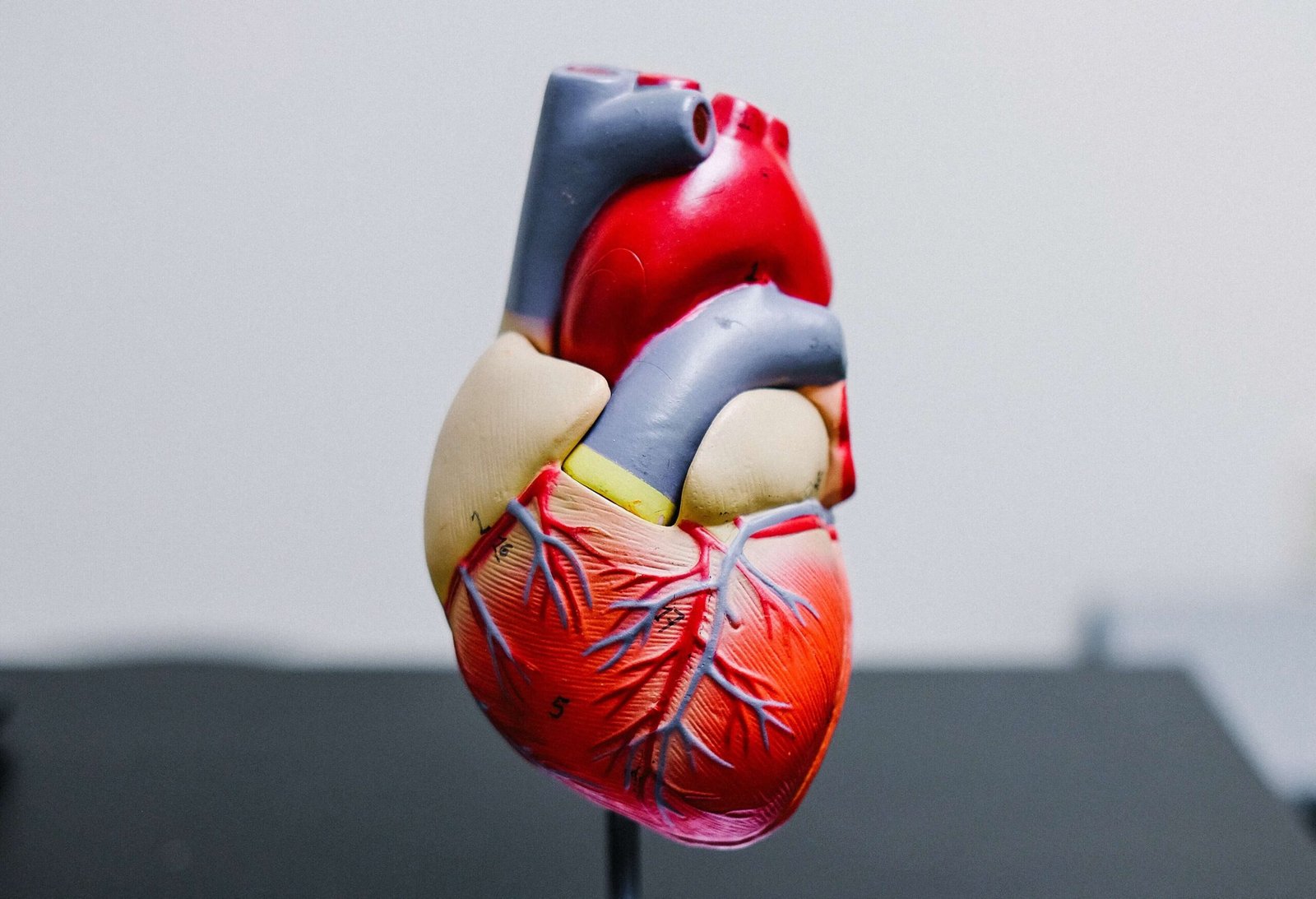
                        The content of the HealingT1D website is for educational and information purposes only.  It does not contain medical advice. The contents of this website are not intended to substitute for professional medical advice, diagnosis or treatment. Please always consult with your doctor, physician, or other qualified healthcare professional before making any adjustments to your routine or healthcare regime.  HealingT1D and all associated with it will not be held liable for any risks or issues associated with using or acting upon the information on this site.
                        Recent Comments: