Category: Taking Control of My Health

  • NEWSFLASH!

    NEWSFLASH!

    Questioning The Classification of Types of Diabetes

    The content of the HealingT1D website is for educational and information purposes only.  It does not contain medical advice. The contents of this website are not intended to substitute for professional medical advice, diagnosis or treatment. Please always consult with your doctor, physician, or other qualified healthcare professional before making any adjustments to your routine or healthcare regime.  HealingT1D and all associated with it will not be held liable for any risks or issues associated with using or acting upon the information on this site.
    healing curing type 1 diabetes naturally
    Summary: This newspaper article questions the classification of Type 1 Diabetes into two distinct conditions based on age of diagnosis, highlighting conflicting family cases. It critiques the complexity of diabetes classifications, suggesting potential over-categorization akin to misidentifying plant species. Emotional and historical variables in research are considered, challenging the validity of findings based on snapshots of pancreatic function.

    So, I was reading this paperthis morning (yes, the actual paper — old school!) and came across an article claiming that Type 1 Diabetes might actually be two different conditions. Intriguing, right?

    Apparently, researchers publishing in Diabetologia found some big differences between people diagnosed before age seven and those diagnosed after age thirteen.

    Here’s what they found:

    • Before age seven → the immune system goes on full attack mode, wiping out insulin-producing beta cells and leaving hardly any insulin production behind. This group was labelled Type 1 Diabetes Endotype 1 (T1DE1).

    • After age thirteen → a gentler immune response, fewer immune cells attacking the pancreas, and still some functioning insulin-producing cells hanging on. This group became Type 1 Diabetes Endotype 2 (T1DE2).

    The researchers got especially excited about that second group. Those beta cells weren’t destroyed — just… asleep. Dormant. The idea is that, in future, maybe we could find a way to wake them up.

    People diagnosed between ages 7 and 12 were a mix of both types. Not as predictable, but still roughly fitting into one camp or the other.

    So, the takeaway? The scientists from the University of Exeter suggested that future diabetes treatments might need to be tailored differently depending on age at diagnosis. In other words — there might not be a one-size-fits-all cure for Type 1 Diabetes.

    My Gut Reaction

    I’ll be honest — something about this doesn’t sit quite right with me.

    First, I thought about my own family. I was diagnosed at 18 months. My sister at 9. My aunt at 19.

    So according to this study, our family just happens to conveniently illustrate all three age categories: me as T1DE1, my sister in the “middle mix,” and my aunt as T1DE2.

    Really? That feels a bit too tidy to be true.

    Then there’s another layer. The researchers compared their findings with a 2018 Scandinavian study that identified five different subtypes of diabetes — based on things like age of onset, BMI, blood sugar levels, and insulin sensitivity.

    One of those five matched one of the new endotypes, so now they’re suggesting maybe there are actually six types of Type 1 Diabetes.

    At this point, my brain is going, Wait, what?

    When Did Diabetes Get So Complicated?

    Once upon a time, it was simple. There was juvenile-onset diabetes and adult-onset diabetes.

    Then scientists realised you could develop the autoimmune kind at any age, so they renamed them Type 1 and Type 2.

    Easy enough.

    But then along came Type 1.5 Diabetes (also known as LADA) — autoimmune like Type 1, but slower to progress, like Type 2.

    And now, if we take into account this new study and the Scandinavian one, the list might look something like this:

    • Type 1 Endotype 1 Diabetes

    • Type 1 Endotype 2 Diabetes

    • Five Scandinavian subtypes

    • Type 1.5 (LADA) Diabetes

    • Type 2 Diabetes

    • MODY Diabetes (which already has 11 subtypes)

    Nineteen different “types” of diabetes?! My intuition is screaming. Something’s off.

    It reminds me of how scientists can sometimes mistake different stages of one process for completely different things. Let me explain what I mean.

    My Little Plant Analogy 🌱

    Imagine I’m an explorer in a new land.

    On the first day, I find a plant with two small green leaves and a closed bud. I take a picture and call it Plant One.

    The next day, I find another plant — same kind of leaves, but this one has a big yellow flower. It’s buzzing with bees and covered in pollen. I take another photo and call it Plant Two.

    I go home and proudly present my discovery of two exciting new plants… until someone points out that they’re probably just the same plant, one in bud and one in bloom.

    What if that’s what’s happening here?

    Maybe T1DE1 and T1DE2 aren’t two different diseases at all — maybe they’re just different points along the same journey.

    Because here’s something interesting: this study used pancreatic tissue samples from people who died in the 1950s alongside blood samples from people living today. That means they’re comparing snapshots in time — not tracking how diabetes actually evolves within the same person.

    A static photo doesn’t tell the full story of a living, changing process.

    And Then There’s Emotion…

    In my post ‘The Neuroscience of Diabetes’, I talked about how insulin is a neuropeptide — a molecule linked to emotion and brain signalling.

    So, I have to ask: has anyone in these studies controlled for the emotional state of the people they’re studying? Because emotions directly affect hormonal and metabolic activity.

    Obviously, the researchers couldn’t possibly know the emotional conditions of people who died in the 1950s. That alone introduces a huge confounding variable.

    It’s like trying to study the ocean by scooping up a single cup of water and saying, “This is how the sea behaves.”

    Also… Can We Please Retire the “Beta Cell Burnout” Story?

    I noticed this study still relies on the Eisenbarth model of diabetes — the old idea that people with Type 1 eventually experience complete beta-cell “burnout.”

    But as I mentioned in “What Is Type 1 Diabetes?”, newer research shows that beta cells don’t necessarily die off completely. Some hang on. Some recover. Some might even regenerate.

    So, if that’s true, then defining two “endotypes” based on how many beta cells appear to have burned out feels… well, shaky.

    Final Thoughts

    I’m not dismissing this research — it’s fascinating stuff. But I do think we need to stay curious and cautious before we start carving Type 1 Diabetes into dozens of new subtypes.

    What if instead of multiple diseases, it’s one complex, dynamic condition that looks different depending on age, genetics, environment, and emotion?

    Maybe it’s not that we need more boxes to put people into — maybe we just need to understand the process better.

    GET HEALINGT1D’S FUTURE ARTICLES IN YOUR INBOX!

    Get the latest musings and findings straight to your email inbox.
      Picture of Natalie Leader
      Natalie Leader

      Natalie is a blogger with Type 1 Diabetes. Natalie’s special gifts are questioning the status quo and being a rebel. She is using these gifts to question medical ‘knowledge’ and find a true cure for Type 1 Diabetes.


      The content of the HealingT1D website is for educational and information purposes only.  It does not contain medical advice. The contents of this website are not intended to substitute for professional medical advice, diagnosis or treatment. Please always consult with your doctor, physician, or other qualified healthcare professional before making any adjustments to your routine or healthcare regime.  HealingT1D and all associated with it will not be held liable for any risks or issues associated with using or acting upon the information on this site.
      Recent Comments:
    • How Does The Quantity and Quality of Sleep Impact Type 1 Diabetes?

      How Does The Quantity and Quality of Sleep Impact Type 1 Diabetes?

      More Better Quality Sleep = Better Diabetes Control

      The content of the HealingT1D website is for educational and information purposes only.  It does not contain medical advice. The contents of this website are not intended to substitute for professional medical advice, diagnosis or treatment. Please always consult with your doctor, physician, or other qualified healthcare professional before making any adjustments to your routine or healthcare regime.  HealingT1D and all associated with it will not be held liable for any risks or issues associated with using or acting upon the information on this site.
      Summary: The post discusses the profound impact of sleep on managing Type 1 Diabetes. It highlights how inadequate sleep reduces insulin sensitivity, exacerbates blood sugar swings, and increases inflammation. Circadian rhythms and sleep quality are crucial, with suggestions to optimise sleep routines and environment. Strategies include managing blue light exposure and even sleeping naked for better quality sleep and health outcomes.

      Ah, the elixir of sleep!  Like the majority of people I know, I want more of it and better quality too!  I think sleep has become particularly prominent in my mind recently because I have just had the fun of crossing timezones to go on holiday.  Whilst I had a lovely time away, I am now left juggling the resulting jet lag.  I just wish I could be asleep right now!!  

      healing curing type 1 diabetes naturally

      Lack of Sleep Decrease Insulin Sensitivity in Type 1 Diabetes

      I’ve seen this happen SO many times… I’ve had a good night out with friends and stayed up pretty late.  I’ve given my night-time injection as usual and, in the morning, WHAM!  High blood sugars.  I followed all the rules but it just didn’t work.  It sucks.  So I’m fighting high blood sugars for several hours as well as feeling more-than-just-a-bit tired from my night out.  What gives?!

      It turns out that reduced insulin sensitivity after a poor night’s sleep is an expected physiological phenomenon.  For example, having just one night of four hours of sleep (between 1am and 5am) results in a decrease in insulin sensitivity of between 14-21% the next day! [1]  So, after a night out, my average total daily dose of 18.2 units would need to increase to 20.7-22.0 units!

      Similarly, one single night of no sleep (hello new parents!!) results in MORE insulin resistance than eating a high-fat diet for SIX MONTHS!! [2]  These effects also seem to be cumulative, with insulin resistance also found to be significantly increased over longer periods of time with reduced sleep. [3]

      This increased insulin requirement is, of course, not uniform.  I cannot sit down the morning-after-the-night-before and know for sure that if I increase all of my insulin levels by, say, 14% my blood sugars will be spot-on.  What is more likely to happen is that my blood sugars will swing about for most of the day as I try to guess my insulin ratios.  This will then set off a cycle of under- and over-correcting that is likely to further increase my overall insulin dose, beyond the initial 14%, for that day.

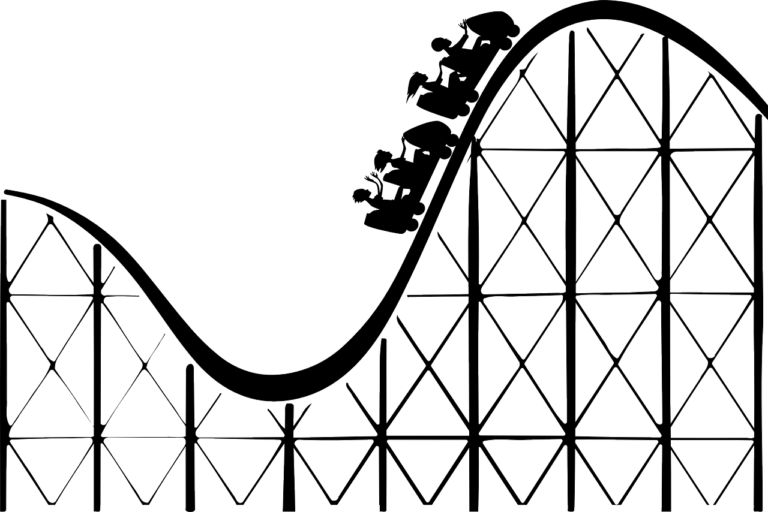
      In short, my blood glucose levels are likely to be doing this (minus the fun!)…!!
      healing curing type 1 diabetes naturally
      My Blood Sugars After a Poor Night’s Sleep

      Sleep and Inflammation

      Multiple experimental studies have highlighted the link between sleep loss and mediators of inflammation.  These mediators, known as cytokines, are secreted by cells of the immune system and are responsible for regulating levels of inflammation in the human body.

      Levels of cytokines rise in the bloodstream following sleep deprivation, as demonstrated in both sleep deprivation studies (no sleep) and also in reduced sleep studies (for example, sleeping between 25-50% of the normal sleep requirement) [4].  Whilst these studies indicate that the changes in the levels of basal inflammatory cytokines are subclinical (i.e. not dramatically huge), I believe that these shifts are still likely to contribute to the overall level of chronic inflammation in my diabetic body (see my post on allostatic load for an explanation on how I understand the mechanism by which inflammation builds up in my system).

      Circadian Rhythms Impact The Immune System

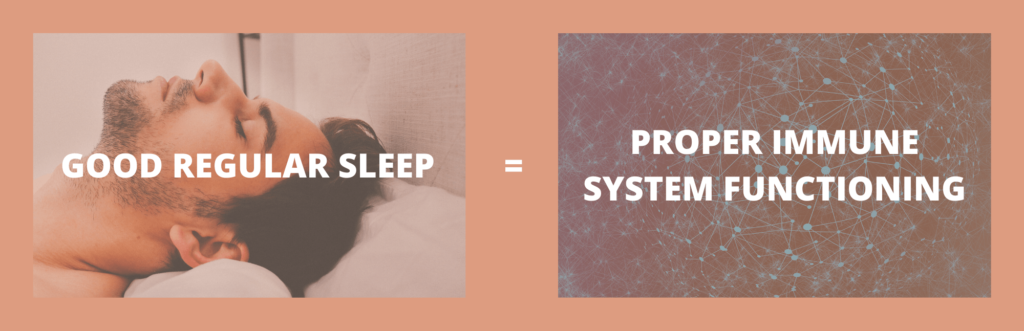
      Human bodies function on a circadian rhythm.  ‘Circadian rhythm’ is the term used to describe your body’s natural sleep-wake cycle.  During any 24-hour period, you are likely to experience times when your body requires sleep more than others.  Over time, with a regular sleeping schedule, your body’s circadian rhythm will match the sleep/wake cycle that you have and you will feel more alert and awake during your days.  Here, then, regularity in the cycle is key.

      The link between circadian rhythms and the immune system is discussed in detail in this post by the Sleep Doctor.  To summarise, he highlights how, when sleep is irregular or less than the body requires, it disrupts circadian rhythms, which as a knock-on effect on the immune system. [5]

      healing curing type 1 diabetes naturally

      Not All Sleep Is Created Equal…?

      But what time should this cycle take place?  I know I’ve certainly heard of the night owl and the morning lark (and also the joke about the alternative option of the permanently exhausted pigeon!!).  I’ve always thought of myself as a night owl.  In my ideal world, I’d like to be up late and have a good ol’ lie-in every morning, at least beyond all those horrible single-digit hours!! But is that actually good for me?

      Sleep quality changes as the night progresses.  In the first part of the night, usually from 8pm to midnight, sleep is likely to consist mostly of the deep, restorative sleep known as ‘non-REM sleep’ [6].

      In the latter part of the night, REM sleep then dominates.  It appears that the switch from mostly non-REM sleep to mostly REM sleep happens at a set time of night, in the early hours of the morning, independent of the time you went to bed.  So, for a night owl like me, I am likely to have more REM-heavy sleep, which is not as deep as non-REM sleep.  The following morning, I will not feel as refreshed as I could be. So getting to sleep earlier is crucial.

      How Can I Improve My Sleep?

      healing curing type 1 diabetes naturally

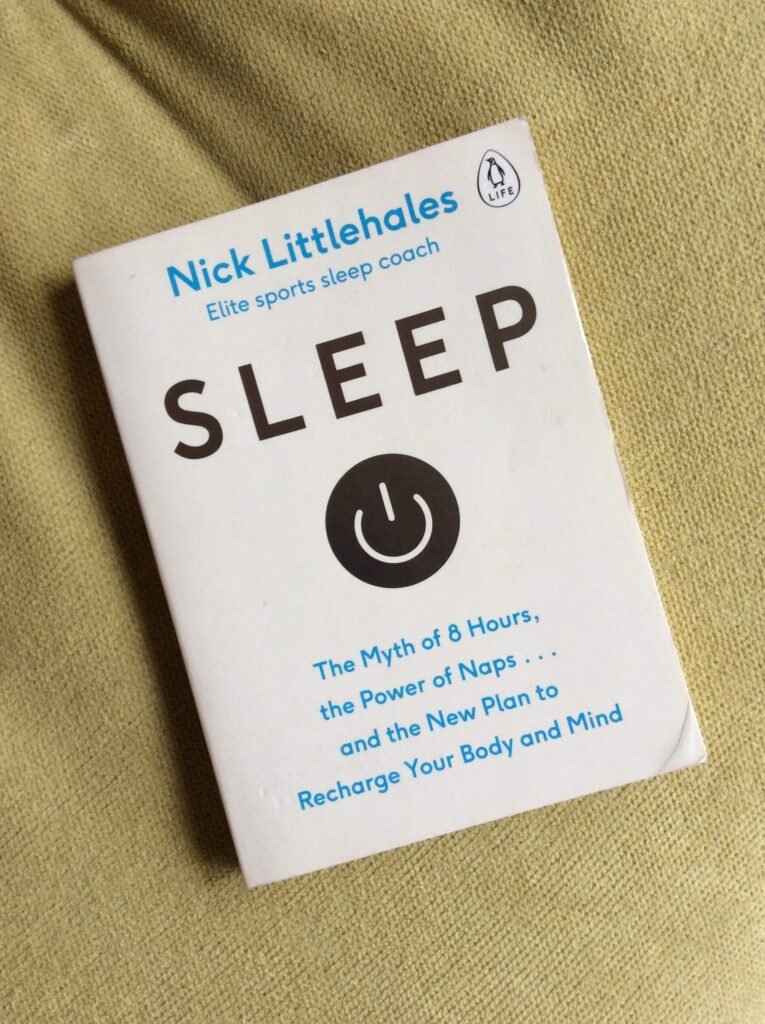
      Sleep by Nick Littlehales is a powerhouse of information on how to improve your sleep.  It is written by Nick Littlehales, a sleep expert who coaches a variety of top-class athletes and footballers, including Olympians and members of the Premier League, on how to sleep effectively.

      It appears that preparation is the key to effective sleep!  Nick Littlehales goes into great detail (in a short and easy-to-read 177 pages!) on all aspects of sleep and how to optimise it.  He includes details on:
      • The importance of pre- and post-sleep routines: how to prepare well for it and ‘recover’ from it for optimal functioning in your day.
      • The importance of a regular sleep schedule.
      • How to prepare your sleep environment (what he terms ‘the Recovery Room’!) for better quality sleep
      • How to work out the amount of sleep your body actually needs to be effective

      I have just started implementing Nick Littlehales’ recommendations into my life and I am already seeing a dramatic increase in my readiness to sleep at night and the increased level to which I feel restored in the morning.

      The Effects of Blue Light on Sleep

      healing curing type 1 diabetes naturally
      healing curing type 1 diabetes naturally

      The Effects Of Blue Light From Technology May Be Disruptive To Sleep

      Blue light is bad for sleep.  We shouldn’t be using our phones or laptops or Apple watches or iPads or anything else that emits ‘blue light’ anywhere near when we want to fall asleep.  This fact has almost become myth in today’s society and is cited widely (see here here and here for just a few examples). 

      Is it true?  Well, the jury seems to be out on this one.  Manchester University has recently demonstrated that blue light may not actually be as bad for us as today’s myth suggests [8].  In fact, the researchers from this study suggest that blue light may in fact be more beneficial for our sleep than the bright, warmer-coloured lights that are normally used in households.  

      However, in this study, the light was controlled for brightness, such that the colour of the lighting was changed from yellow to blue without affecting its brightness.  I wonder if, for electronics that tend to have bright lights with a blue tone, it is in fact the brightness, rather than the colour, that has the impact.  

      Whilst the jury may be out in the research world, I know for certain that on the evenings when I have not used any electronics – perhaps just read a book – my mind is not buzzing and I fall asleep much more quickly.  So, for me, gadgetry has to go in the last few hours of my day.

    Bonus Tip: Sleep Naked!

    healing curing type 1 diabetes naturally
    Sleeping Naked Improves Sleep Quality

    As I wandered through the literature on sleep and Type 1 Diabetes, I was surprised to find several references to the benefits of sleeping naked!

    1. Sleeping Naked Promotes Sleep Quality

    When you sleep naked, your body temperature lowers.  This lowered body temperature signals to your circadian rhythm that it is time for sleep and also induces deeper (non-REM) sleep.    This deep-sleep state in turn promotes longer lasting sleep since it is less likely you will be disturbed from this deep-sleep state. [9]
    Better quality sleep also helps restore normal levels of the stress hormone cortisol in the body.  So, with better quality sleep, you will feel less stressed in the morning no matter how stressful your life may be in waking hours. Sleeping naked, as discussed in the previous paragraph, promotes better quality sleep and therefore helps reset your stress counter.

    Reduced cortisol also reduces both inflammation and insulin resistance [10], which will decrease my overall need for insulin further.

    2. Sleeping Naked Helps You Lose Weight

    In a study conducted by the National Institutes of Health [11], it was found that decreased room temperature when sleeping (which can also be achieved by removing clothing!) led to an increase in brown fat and a decrease in white fat in the study participants.  Brown fat keeps your body warm by boosting the metabolism.  This increase in your metabolism lasts all day and therefore helps burn more calories!

    So it looks like I’m going to be experimenting with sleeping in the buff from now on!!

    healing curing type 1 diabetes naturally

    References

    1. Donga, E., van Dijk, M., van Dijk, J. G., et al. (2010).  Partial Sleep Restriction Decreases Insulin Sensitivity in Type 1 Diabetes.  Diabetes Care, 33(7), 1573-1577.  [Article]
    2. Obesity Society (2015).  One Night of Poor Sleep Could Equal Six Months on a High-Fat Diet, Study Shows.  Retrieved 21st February 2020 from the World Wide Web: https://www.newswise.com/articles/one-night-of-poor-sleep-could-equal-six-months-on-a-high-fat-diet-study-shows.
    3. Buxton, O. M., Pavlova, M., Reid, E. W., et al. (2010).  Sleep Restriction for 1 Week Reduces Insulin Sensitivity in Healthy Men.  Diabetes, 59(9), 2126-2133. [Article]
    4. Mullington, J. M., Simpson, N. S., Meier-Ewert, H. K., and Haack, M. (2010).  Sleep Loss and Inflammation.  Best Pract Res Clin Endocrinol Metab, 24(5), 775-784.  [Article]
    5. Comas, M., Gordon, C. J., Oliver, B. G., et al. (2017).  A circadian based inflammatory response – implications for respiratory disease and treatment.  Sleep Science and Practice, 1(18).  [Article]
    6. Heid, M. (2017).  What’s the Best Time to Sleep?  You Asked.  Retrieved 22nd February 2020 from the World Wide Web: https://time.com/3183183/best-time-to-sleep/
    7. Littlehales, N. (2016).  Sleep.  London: Penguin Random House UK. [Link]
    8. Mouland, J. W., Martial, F., Watson, A., et al.  (2019).  Cones Support Alignment to an Inconsistent World by Suppressing Mouse Circadian Responses  to the Blue Colors Associated with Twilight.  Current Biology, 29(24), 4260-4267. [Article]
    9. Bradberry, T. (2016).  4 Reasons Sleeping Naked Makes You Healthier And Wealthier.  Retrieved 21st February 2020 from the World Wide Web: https://www.forbes.com/sites/travisbradberry/ 2016/09/13/4-reasons-sleeping-naked-makes-you-healthier-and-wealthier/#4c9f2fb969b4
    10. Holmang, A., and Bjorntorp, P. (1992).  The effects of cortisol on insulin sensitivity in muscle.  Acta Physiol Scand, 144(4), 425-431. [Article]
    11. Lee, P., Smith, S., Linderman, J., et al. (2014).  Temperature-acclimated brown adipose tissue modulates insulin sensitivity in humans.  Diabetes, 63(11), 3686-3698. [Article]
    healing curing type 1 diabetes naturally
    healing curing type 1 diabetes naturally

    GET HEALINGT1D’S FUTURE ARTICLES IN YOUR INBOX!

    Get the latest musings and findings straight to your email inbox.

      Picture of Natalie Leader
      Natalie Leader

      Natalie is a blogger with Type 1 Diabetes. Natalie’s special gifts are questioning the status quo and being a rebel. She is using these gifts to question medical ‘knowledge’ and find a true cure for Type 1 Diabetes.
      The content of the HealingT1D website is for educational and information purposes only.  It does not contain medical advice. The contents of this website are not intended to substitute for professional medical advice, diagnosis or treatment. Please always consult with your doctor, physician, or other qualified healthcare professional before making any adjustments to your routine or healthcare regime.  HealingT1D and all associated with it will not be held liable for any risks or issues associated with using or acting upon the information on this site.
      Recent Comments:
    • Daniel Darkes

      Daniel Darkes

      Miraculously Cured From Type 1 Diabetes

      Enjoyed this post?  Check out my post on ‘MORE Spontaneous Remissions From Type 1 Diabetes!’ too. But please also check out the update on Daniel Darkes here

      The content of the HealingT1D website is for educational and information purposes only.  It does not contain medical advice. The contents of this website are not intended to substitute for professional medical advice, diagnosis or treatment. Please always consult with your doctor, physician, or other qualified healthcare professional before making any adjustments to your routine or healthcare regime.  HealingT1D and all associated with it will not be held liable for any risks or issues associated with using or acting upon the information on this site.
      Summary: This article discusses the ‘miraculous’ healing of the Type 1 Diabetes veteran Daniel Darkes, who healed after having T1D for multiple years.  His diet, exercise and vitamins regime are outlined, along with thoughts about how this information can help more to heal.

      Who Is Daniel Darkes?

      Daniel Darkes is the first man (in the Western World, at least) to be cured of Type 1 Diabetes.  He has become the talk of the town in diabetes communities as people try to understand how this incurable, lifelong condition is no longer incurable or lifelong!

      Daniel Darkes was diagnosed with Type 1 Diabetes in 2010, aged 23.  He has left the British Army Grenadier Guard just four weeks before his diagnosis.  He has stated that he was discharged from the army on medical grounds but it is not clear what medical issue this was.

      Before Daniel’s body started to heal, he was originally taking 5-6 units of Novorapid for meals and 8 units of Lantus at night-time for a period of 7 years.

      Daniel Stops Taking Insulin

      In November 2016, Daniel started having episodes of recurrent hypoglycaemia at night.  Before this point, night-time hypo’s had been extremely rare for him.  Under the medical guidance of Northampton General Hospital, Daniel gradually reduced his insulin doses to try to prevent further hypoglycaemic episodes.  However, no matter how little he gave, he continued to hypo.  Eventually, it got to the point that Daniel’s consultant made the decision to stop insulin altogether.

      The Impossible Becomes Possible

      When I think about Miracle Dan (as Daniel Darkes has been named by his friends), I am reminded of the story of the four-minute mile.  On May 6th 1954, Roger Bannister was the first man to run a mile in under four minutes.  Athletes had tried since 1886 to break this barrier and none had succeeded.  It was therefore assumed that this was a feat beyond human capability, something that the human body just could not do.  However, once Bannister broke this barrier, many others followed.  The impossible had become possible.  Once they saw it could be done, many others did it too. 

      For me, Daniel Darkes is the Roger Bannister of Type 1 Diabetes.  He has broken the barrier and shown that this ‘incurable’ condition is curable.  We now know the impossible is possible.

      healing curing type 1 diabetes naturally

      Reactions To Daniel Darkes’ Cure

      The medical and diabetic communities have not been wholly receptive to the news of Daniel Darkes’ cure.  For example, Live Science wrote a piece highlighting what they believed to be inconsistencies in Daniel Darkes’ story.  Firstly, they questioned the validity of his original Type 1 Diabetes diagnosis.  They also used Daniel Darkes’ refusal to provide his medical records (actually, it was his NHS trust that refused due to patient confidently laws in the UK), plus the absence of a published medical case study, to infer that this may be some kind of hoax.

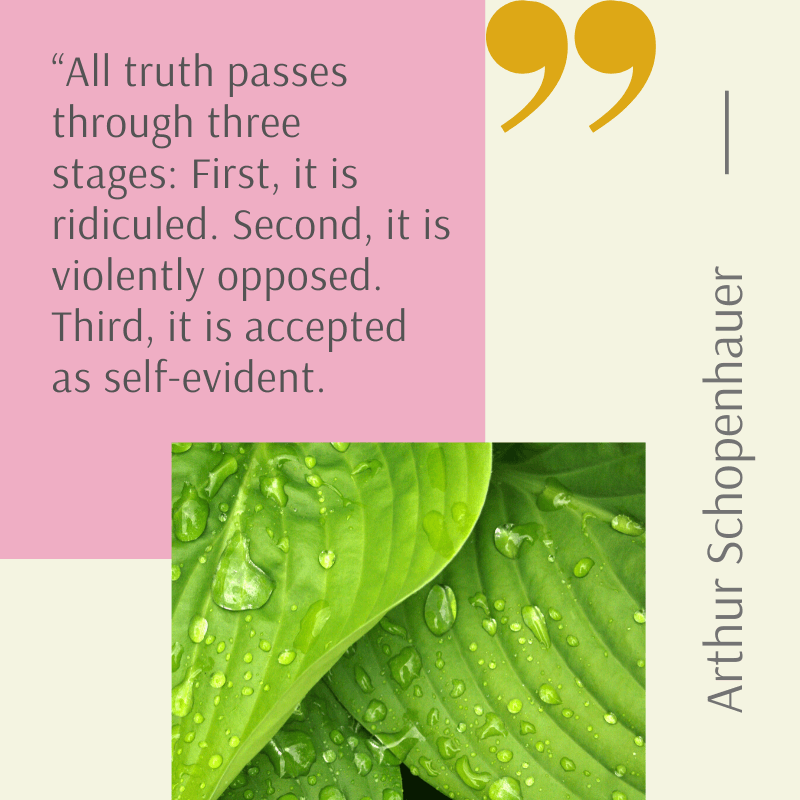
      As I ponder this reaction, I am reminded of quote by Arthur Schopenhaueur:

      healing curing type 1 diabetes naturally

      It appears to me that, unfortunately, Daniel Darkes’ healing is encountering the first two stages of truth – ridicule and violent opposition.  Change in the medical world takes time.

      healing curing type 1 diabetes naturally

      Daniel Darkes has stumbled across the way to heal Type 1 Diabetes.  So, whilst the medical community is adjusting its lens to the new reality, I’d like to get on with actually learning as much as I can about how he achieved it!

      What Do We Know About Daniel Darkes’ Miracle Cure?

      Daniel’s Diet

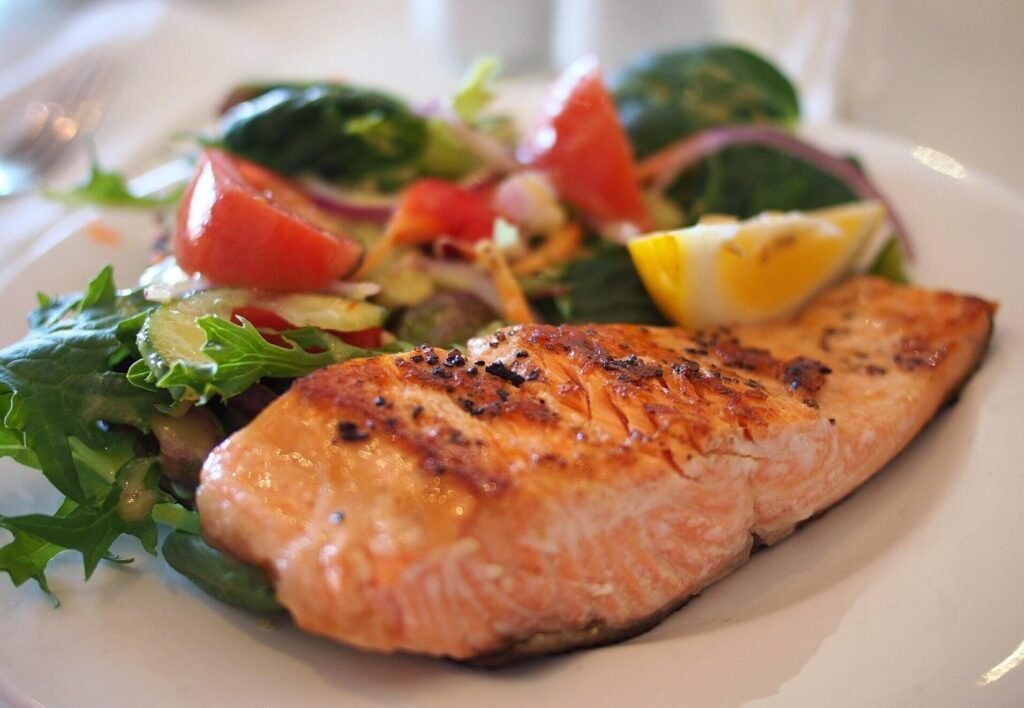
      Daniel appears to have a very healthy diet.  He runs a lot (see below) and therefore takes care of his nutrition for this.  When not running, his diet tends to consist of a lot of fish, chicken and vegetables, basically pretty low-carb.  He might eat fruits, nuts and crackers for lunch.  He doesn’t eat sweet stuff, chocolate or have sugar in his tea.  But, before I panic about such a restrictive diet, he does admit to also having the occasional beer or sweet treat or takeaway at weekends!!  

      On days when Daniel is running a long run, he will increase his carbohydrate intake by adding in a serving of rice, pasta or sweet potato for dinner and/or porridge for lunch.  He will also have gels or sweets on the runs to top up his blood sugars, if needed. 

      healing curing type 1 diabetes naturally
      healing curing type 1 diabetes naturally
      healing curing type 1 diabetes naturally

      Foodstuffs Found In Daniel Darkes’ Diet

      Daniel’s Vitamins and Supplements

      Daniel has said that he takes the following vitamins and supplements on a daily basis:

      Daniel’s Exercise Routine

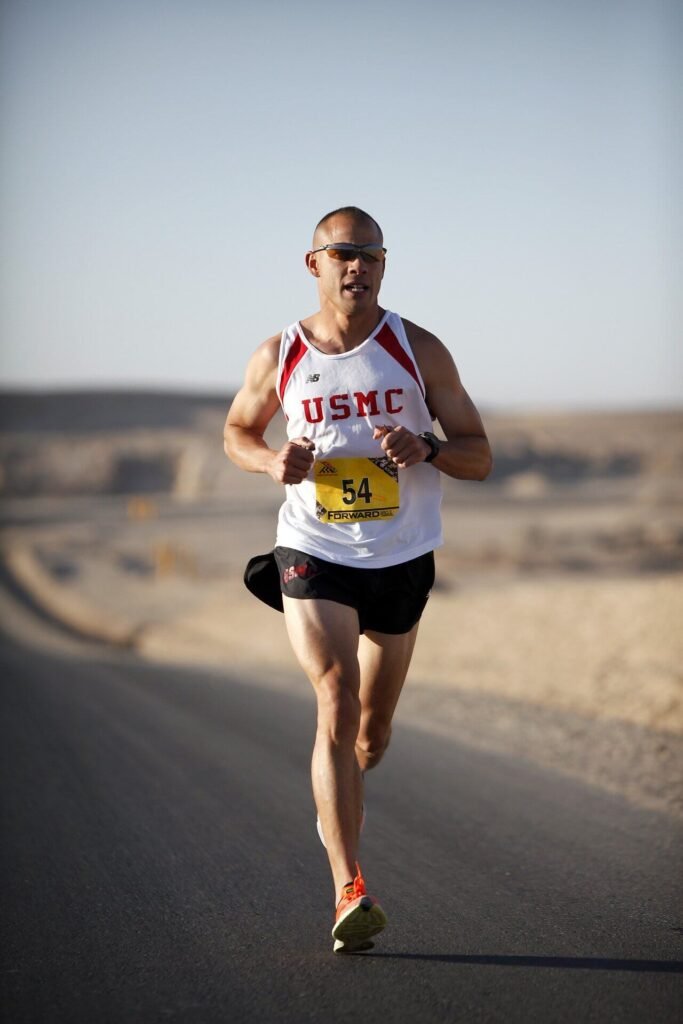
      Daniel is a long-distance runner.  He regularly runs marathons and ultra-marathons.  He is dedicated to his fitness.  He tends to run 15-30 miles a couple of times a week and then does a longer run at the weekend.

      healing curing type 1 diabetes naturally

      Enjoyed this post?  Check out my post on ‘MORE Spontaneous Remissions From Type 1 Diabetes!’ too.

      What The Experts Think

      Daniel Darkes says that the experts on his case have identified a rare gene that he possesses that is acting as a back-up immune system by recharging the pancreatic cells to produce insulin.

      What I Think

      Issues With The Experts’ Explanation

      Hang on a minute!  The old-school way of looking at diabetes said that the beta cells in the pancreas – the ones that produce the insulin – have been obliterated by our misfiring immune systems.  And now they can recharge?!  This fits in with what I have so far argued on my blog – that this theory of ‘burnt out beta cells’ has little scientific support and has actually been replaced with the finding that beta cells do still exist in the pancreas and can, under the right environmental conditions, start producing insulin again.  

      I also have an issue with this ‘rare gene’ hypothesis… My issue sits in the findings of epigenetics.  Epigenetics argues that individuals are not necessarily destined to suffer (or enjoy!) the blueprints of their inherited DNA sequences.  In other words, you may receive programming, via your DNA, from one or other parent but that does not mean that you are destined to have that gene expressed and acted out in your life.  Instead, genes have been found to be affected throughout a person’s lifespan by a range of factors, including diet, exposure to pollutants and even emotions.  it is the epigenetics, influenced by this diverse range of factors, that determine whether genes are turned on or off.  Why this is relevant to Daniel Darkes is because this ‘rare gene’ may have in fact been created during his healing process, as a result of epigenetics.  Equally, this may be a gene that we all possess, but as yet Daniel is the only one who has found a way to get this gene turned on and working.

      Western Medicine Has Not Undertaken A Holistic Investigation

      I struggle with the findings, and lack of findings, that I have so far heard about Daniel’s case.  So far, all investigations seem to have proceeded down only the expected avenues… Inquiries into diet, exercise, supplements, blood sugar readings and so on.  In other words, all focus has been on medical questions, which treat the body as a machine with a broken component (see my post on Descartes for more information).  As such, I believe the lens of inquiry is too narrow.  

      We Also Need To Be Asking Daniel About…

      Nobody is asking Daniel about the wider healing that he may have undertaken.  As I highlighted in my post on neuropeptides, the brain is highly interrelated with the body via emotions.  Has anybody asked Daniel what his emotional journey has been like over the time his healing took place?  Were there any shifts in his emotional outlook, for example?  Candace Pert would argue that emotional healing is as likely to improve health as much as any medical intervention.

      I also wonder about his running.  The experts have said that his long-distance running has somehow ‘shocked’ his immune system, via this rare gene, to start working again.  How do they know that it wasn’t some other factor to do with running that would have helped?  For example, Daniel is likely to have maintained good hydration to be able to run.  He is also likely to have spent a lot of time outdoors in nature, which in itself can be very healing.  The added benefit of sunshine on the body, and the resultant levels of vitamin D, are also worth questioning.  Perhaps it was any one of these factors, or the combination of all of them, rather than the running itself, that led to his healing. 

      I have also heard about the great benefits of fasting and its ability to regenerate the immune system (although fasting can come with great risks for diabetics).  Did Daniel have any intentional or unintentional periods of fasting, perhaps due to long runs or periods of illness, which may have instead been responsible for kickstarting his immune system?

      I have seen no evidence that the medical teams are asking these kinds of questions.  If they are not, they are not controlling for extraneous variables in their research design and, as such, according to the rules of scientific research, their method and findings are confounded.  No firm conclusions can be drawn.

      Dr Kelly Turner

      As this post comes to an end, I am thinking back to Dr Kelly Turner’s work on spontaneous remissions of cancer.  Kelly outlined how healing is based on a range of factors, only two of which were body-based (those of ‘radically changing your diet’ and ‘herbs and supplements’).  By asking Daniel only about the body-based activities and treatments he had, we are missing out on finding out about the majority of his healing journey.

      Dr Kelly Turner also discussed how valuable information about healing can be gained from asking the patient themselves what they believe healed them.  Daniel Darkes thinks his healing resulted from the combination of his running and his diet, which is high in zinc, nuts, oily fish and vegetables. 

      I intend to use Daniel Darkes’ route to health as a roadmap for my own healing.  However, I am hoping that I won’t need to achieve the fitness of an ultra-marathon runner to heal my Type 1 Diabetes…  I dearly hope that my unique path to healing may  not require such a high level of physical exertion for the same results!!  Let’s wait and see.

      Enjoyed this post?  Check out my post on ‘MORE Spontaneous Remissions From Type 1 Diabetes!’ too.

      healing curing type 1 diabetes naturally
      healing curing type 1 diabetes naturally

      GET HEALINGT1D’S FUTURE ARTICLES IN YOUR INBOX!

      Get the latest musings and findings straight to your email inbox.

        Picture of Natalie Leader
        Natalie Leader

        Natalie is a blogger with Type 1 Diabetes. Natalie’s special gifts are questioning the status quo and being a rebel. She is using these gifts to question medical ‘knowledge’ and find a true cure for Type 1 Diabetes.
        The content of the HealingT1D website is for educational and information purposes only.  It does not contain medical advice. The contents of this website are not intended to substitute for professional medical advice, diagnosis or treatment. Please always consult with your doctor, physician, or other qualified healthcare professional before making any adjustments to your routine or healthcare regime.  HealingT1D and all associated with it will not be held liable for any risks or issues associated with using or acting upon the information on this site.
        Recent Comments:
      • Second Health Review

        Second Health Review

        Where My Health Is Now

        The content of the HealingT1D website is for educational and information purposes only.  It does not contain medical advice. The contents of this website are not intended to substitute for professional medical advice, diagnosis or treatment. Please always consult with your doctor, physician, or other qualified healthcare professional before making any adjustments to your routine or healthcare regime.  HealingT1D and all associated with it will not be held liable for any risks or issues associated with using or acting upon the information on this site.

        Summary: The author outlines her second health assessment on her healing journey.

        healing curing type 1 diabetes naturally

        Here is my latest progress update!  I have updated the figures that I have measured since my last health review.  All others, I have left in here for sake of completeness.


        I have grouped my results into two sections:

        • Output‘ are the readings that I have had taken, including blood work, weight etc.
        • Input‘ are the things I do to try to help my body (or not, as the case may be!). 


        PLEASE NOTE: I am not a doctor/physician.  My interpretations are my views only.  They represent what I have come to understand through my research and therefore should not be considered medically interpreted.


        For ease of interpretation, I have grouped my results into categories, according to my own standards of what I wish to attain…

        • My healthy results are in green
        • My results in need of improvement are in orange
        • My results in need of great improvement are in red

        Output

        Vital Statistics:

        Height: 172 cm

        Weight: 82 kg

        BMI: 27.7

        Fitness:

        Average Minutes of Exercise (Last Seven Days): 38.6 minutes

        Average Number of Hours of Sleep (Last Seven Days): 7.3 hours

        Maximum number of sit-ups (to failure): 12 (Last six-week review: 7 sit-ups)

        Plank (time to failure): 63 seconds (Last six-week review: 48 seconds)

        Maximum Number of Push-ups (to failure): 13 (Last six-week review: 8 push-ups)

        Time Taken to Cover One Mile: 11 minutes 59 seconds (Last six-week review: 12 minutes 35 seconds)

        Resting Heart Rate: 64 bpm (Last six-week review: 66 bpm)

        Diabetes:

        HbA1c: 62 mmol/mol

        Years of diabetes: 38

        Complications: Intermittent background retinopathy. This tends to heal itself between one check-up and the next. I have no background retinopathy currently and no other complications.

        Inflammation:

        CRP HS: 4.5 mg/l

        ECR (Erythrocyte Sedimentation Rate): 5 mm/hr

        Interleukin 6 (IL-6): < 1.5 pg/ml

        Kidney Health:

        Urea: 4.5 mmol/L

        Creatinine: 68 umol/L

        EGFR: 88

        Uric acid: 160 umol/L

        ACR: 0.3 ug/mmol

        Kidney Health:

        Bilirubin: 5 umol/L

        ALP: 68 IU/L

        ALT: 32 IU/L

        GGT: 33 IU/L

        Proteins:

        Total Protein: 64 g/L

        Albumin: 42 g/L

        Globulin: 22 g/L

        Proteins:

        Total cholesterol: 3.9 mmol/L

        LDL cholesterol: 1.7 mmol/L

        Non HDL cholesterol: 2 mmol/L

        HDL cholesterol: 1.9 mmol/L

        Total cholesterol: HDL : 2.1

        Triglycerides: 0.6 mmol/L

        Vitamin and Mineral Blood Readings:

        Iron: 13.8 umol/L

        TIBC: 44 umol/L

        Transferrin Saturation: 31%

        Ferritin: 112 ug/L

        Magnesium – serum: 0.73 mmol/L

        Folate – serum: 14.4 ug/L

        Vitamin B12 – Active: 137 pmol/L

        Vitamin D: 73 nmol/L

        Thyroid Functioning:

        TSH: 0.84 mIU/L

        Free T3: 4.8 pmol/L

        Free Thyroxine: 15 pmol/l


        Improvements in My Output:

        I have lost some weight and therefore decreased my BMI (although it is still currently too high).  My fitness has also improved on all measures, which I am proud of.  I am still being a bit lazy with my exercise – it’s what naturally happens in my week, rather than any planned activities.  I also want to start focusing on my sleep.  I am better if I have at least 7.5 hours a night so this will be an area for me to focus on.

        My Subjective Assessment of My ‘Output’:

        Although making improvements in my weight and fitness levels, I still feel pretty tired most of the time.  I am going to address my sleep patterns and improve my fitness more as a way to address this.

        My nutrition has improved dramatically since the last review – as I was expecting would happen when eating solely natural foods on Whole30!  I hope that, as I continue to eat well for my body, my fitness and general feeling of wellbeing will continue to improve.

        Input:

        Medications:

        I don’t take any medications at all, apart from insulin.

        Diabetes:

        Carbohydrates per day (average of the last week): 44.6 grams

        Insulin dosages per day (average of the last week): 18.2 units consisting of 7.2 units of Novorapid and 11 units of Lantus (5 units of Lantus at night and 6 units of Lantus in the morning)

        Vitamin And Mineral Supplements Taken:

        None taken.  Some were not compliant with Whole30.  I also felt that, eating a more nourishing diet, consisting of a lot more fruit and vegetables, would also likely negate the needs for any supplements.  I therefore stopped taking all supplements.  I have been monitoring my mental health and…  So far, so good!

        My Subjective Assessment Of My ‘Input’:

        I have significantly improved my carbohydrate intake and therefore significantly lowered my insulin requirements.  

        I have removed my vitamins and supplements without any noticeable effect.  I attribute this to my dramatically improved diet, with a significant increase in my fruit and vegetables intake, as well as a complete elimination of processed foods, sugar, dairy and wheat.

        My exercise levels are still well below what I would hope they would be. I will be aiming to start to address this in the forthcoming weeks.

        GET HEALINGT1D’S FUTURE ARTICLES IN YOUR INBOX!

        Get the latest musings and findings straight to your email inbox.

          Picture of Natalie Leader
          Natalie Leader

          Natalie is a blogger with Type 1 Diabetes. Natalie’s special gifts are questioning the status quo and being a rebel. She is using these gifts to question medical ‘knowledge’ and find a true cure for Type 1 Diabetes.
          The content of the HealingT1D website is for educational and information purposes only.  It does not contain medical advice. The contents of this website are not intended to substitute for professional medical advice, diagnosis or treatment. Please always consult with your doctor, physician, or other qualified healthcare professional before making any adjustments to your routine or healthcare regime.  HealingT1D and all associated with it will not be held liable for any risks or issues associated with using or acting upon the information on this site.
          Recent Comments:
        • First Health Review

          First Health Review

          25th November 2019

          The content of the HealingT1D website is for educational and information purposes only.  It does not contain medical advice. The contents of this website are not intended to substitute for professional medical advice, diagnosis or treatment. Please always consult with your doctor, physician, or other qualified healthcare professional before making any adjustments to your routine or healthcare regime.  HealingT1D and all associated with it will not be held liable for any risks or issues associated with using or acting upon the information on this site.
          Summary: The author outlines her first health assessment.  Blood results and also some subjective health assessments. are discussed. Whilst it may  not appear to be particularly exciting reading, this is effectively the ‘before’ photo in the healing journey.

          Formatting of this Post

          I have grouped my results into two sections:

          • Output‘ are the readings that I have had taken, including blood work, weight etc.
          • Input‘ are the things I do to try to help my body (or not, as the case may be!). 


          For ease of interpretation, I have grouped my results into categories, according to my own standards of what I wish to attain…

          • My healthy results are in green
          • My results in need of improvement are in orange
          • My results in need of great improvement are in red


          PLEASE NOTE: I am not a doctor/physician.  My interpretations are my views only.  They represent what I have come to understand through my research and therefore should not be considered medically interpreted.

          healing curing type 1 diabetes naturally

          Output:

          Vital Statistics:

          Height: 172 cm

          Weight: 86 kg

          BMI: 29

          Fitness:

          Average Number of Hours of Sleep (Last Seven Days): 7.2 hours

          Average Minutes of Exercise (Last Seven Days) 17.1 minutes

          Plank (time to failure): 48 seconds

          Maximum number of sit-ups (to failure): 7

          Maximum number of push-ups (to failure): 8

          Time Taken To Cover One Mile: 12 minutes 35 seconds

          Resting Heart Rate: 66 bpm

          Diabetes:

          HbA1c: 62 mmol/mol

          Years of diabetes: 38

          Complications: Intermittent background retinopathy. This tends to heal itself between one check-up and the next. I have no background retinopathy currently and no other complications.

          Inflammation:

          CRP HS: 4.5 mg/l

          ECR (Erythrocyte Sedimentation Rate): 5 mm/hr

          Interleukin 6 (IL-6): < 1.5 pg/ml

          Kidney Health:

          Urea: 4.5 mmol/L

          Creatinine: 68 umol/L

          EGFR: 88

          Uric acid: 160 umol/L

          ACR: 0.3 ug/mmol

          Liver Health:

          Bilirubin: 5 umol/L

          ALP: 68 IU/L

          ALT: 32 IU/L

          GGT: 33 IU/L

          Proteins:

          Total Protein: 64 g/L

          Albumin: 42 g/L

          Globulin: 22 g/L

          Cholesterol:

          Total cholesterol: 3.9 mmol/L

          LDL cholesterol: 1.7 mmol/L

          Non HDL cholesterol: 2 mmol/L

          HDL cholesterol: 1.9 mmol/L

          Total cholesterol: HDL : 2.1

          Triglycerides: 0.6 mmol/L

          Vitamin and Mineral Blood Readings:

          Iron: 13.8 umol/L

          TIBC: 44 umol/L

          Transferrin Saturation: 31%

          Ferritin: 112 ug/L

          Magnesium – serum: 0.73 mmol/L

          Folate – serum: 14.4 ug/L

          Vitamin B12 – Active: 137 pmol/L

          Vitamin D: 73 nmol/L

          Thyroid Functioning:

          TSH: 0.84 mIU/L

          Free T3: 4.8 pmol/L

          Free Thyroxine: 15 pmol/l

          I am overweight and my BMI is higher than it should be. I am definitely making weight loss part of my health goals. I suspect that this may naturally take place as I progress through this healing process anyway.

          My Objective Evaluation Of My Bloodwork:

          My HbA1c is greater than it could be. I have had it lower than this. I have been a bit lazy in the last few months. Like my weight, I suspect that my HbA1c will naturally improve as this process continues.

          My CRP (high sensitivity) is within normal range but heading towards the top end. I suspected that my inflammation levels were likely to be elevated as a result of my diabetes and excess weight (although I note my other inflammation tests, IL-6 and ECR, are in the healthy range). I am intending to improve my nutrition quite substantially and thus hope to see improvement here.

          All other blood results were at healthy levels.

          My Subjective Assessment of My ‘Output’:

          My blood work seems generally good, although there are a few ‘out-of-range’ values that I’ll be working on through lifestyle adjustments.  I will be particularly focusing on my diet and exercise from here to try to improve those readings.

          Despite having a generally healthy picture in my blood panel, I don’t generally feel that great.  I don’t feel ill but I just don’t feel like a picture of health.  I feel tired by the end of the day most days. I am sometimes irritable.  I can feel sluggish in my day-to-day activities.  So, whilst I would not be deemed ‘unwell’ by a medical professional, I still feel I can reach for more than I have now.  

          I don’t exercise particularly frequently and do not take particularly good care of my body’s nutritional needs.  I do a sufficient amount to look after my diabetes but I know could fine-tune that too.  I would like to substantially increase my general fitness level and increase my cardio workouts.  There is definitely work for me to do over the forthcoming months!

          Input:

          Medications:

          I don’t take any medications at all, apart from insulin.  No, not even statins (strangely, I’ve never been offered these, despite 38 years of diabetes).

          Diabetes:

          Carbohydrates per day (average of the last week): 150-200 grams

          Insulin dosages per day (average of the last week): 48.2 units consisting of 30.2 units of Novorapid and 18 units of Lantus

          Vitamin and Mineral Supplements Taken:

          Every Day:

          • Pure Fish Oil 1100mg with 70mg Omega 3s
          • Vitamin D3 (Cholecalciferol) 4000 IU
          • Multivitamin containing: 667 micrograms Vitamin A; 16 mg Vitamin E; 24.5 micrograms Vitamin K; 1.32 mg Vitamin B1; 2.1 mg Vitamin B2; 2.1 mg Vitamin B6; 3 micrograms Vitamin B12; 10 micrograms Vitamin D; 62.5 micrograms Biotin; 300 micrograms Folic Acid; 16 mg Niacin; 7.5 mg Pantothenic Acid; 320 mg Calcium; 105 mg Phosphorus; 100 mg Magnesium; 10 mg Iron; 100 micrograms Iodine; 500 micrograms Copper; 2 mg Manganese; 40 micrograms Chromium; 50 micrograms Molybdenum; 30 micrograms Selenium
          • Passion Flower Herb, 2 capsules totalling 600 mg 
          • Ashwagandha totalling 300 mg
          • Zinc totalling 35 mg
          • Vitamin C totalling 240 mg

          Every Week:

          • Evening Primrose Oil 500mg

          Whilst I feel that this looks like a lot of supplements, I have honed these over a period of years to optimise my subjective experience of feeling well.  I did suffer a lot from anxiety and depression.  I believe that this combination of vitamins and minerals play a part in helping me to keep these mental health conditions at bay.

          My Subjective Assessment Of My ‘Input’:

          My carbohydrate intake (and therefore my insulin requirements) are too high.  I will be addressing these in the forthcoming weeks.

          I am happy with the vitamin and supplement regime I am on and I am happy with the lack of other medications I put into my body.

          My exercise levels are well below what I would hope they would be.  They have been much better than this for large periods of my life.  However, I want to be cautious about increasing my exercise levels too high too soon because I will not sustain it.  A little bit more every week until I get to the point of doing some form of exercise everyday will be a good start.  I hope this will then yield gradual improvements in my fitness levels (as measured by my sit-ups, push-ups, plank performance and 1 mile run time).

          It’s definitely time for me to get started!

          GET HEALINGT1D’S FUTURE ARTICLES IN YOUR INBOX!

          Get the latest musings and findings straight to your email inbox.

            Picture of Natalie Leader
            Natalie Leader

            Natalie is a blogger with Type 1 Diabetes. Natalie’s special gifts are questioning the status quo and being a rebel. She is using these gifts to question medical ‘knowledge’ and find a true cure for Type 1 Diabetes.

            The content of the HealingT1D website is for educational and information purposes only.  It does not contain medical advice. The contents of this website are not intended to substitute for professional medical advice, diagnosis or treatment. Please always consult with your doctor, physician, or other qualified healthcare professional before making any adjustments to your routine or healthcare regime.  HealingT1D and all associated with it will not be held liable for any risks or issues associated with using or acting upon the information on this site.
            Recent Comments:
          • My Reasons for Healing My Type 1 Diabetes

            My Reasons for Healing My Type 1 Diabetes

            A Key Factor In Healing

            The content of the HealingT1D website is for educational and information purposes only.  It does not contain medical advice. The contents of this website are not intended to substitute for professional medical advice, diagnosis or treatment. Please always consult with your doctor, physician, or other qualified healthcare professional before making any adjustments to your routine or healthcare regime.  HealingT1D and all associated with it will not be held liable for any risks or issues associated with using or acting upon the information on this site.
            healing curing type 1 diabetes naturally
            Summary: The author discusses the importance of having a strong reason for healing and outlines her own.

            To Tell Or Not To Tell… That Is The Question!

            As I have already discussed in my article on Candace Pert, one of the main healing factors is having a strong reason for healing.  Motivation is key.

            Kelly Turner [1; see also my post here on this subject] outlined that you should have a strong reason for living/healing.  However, she did not discuss whether one’s reasons for healing should be shared or not.

            I was unsure whether or not I should tell you my reasons for healing my Type 1 Diabetes.  There seems to be a large amount of psychology research out there saying that I should NOT say… That it can decrease motivation by doing so [2].

            On the other side of this coin, though, is the fact that I have decided to be fully open about my process towards healing, so that you can feel empowered to do it too.  Revealing the facets of my motivation therefore sheds more light on my process and the conditions within which my healing takes place.

            On top of that, I am hugely stubborn.  I don’t like taking no for an answer.  I also do not, not, NOT like showing myself up.  If I say I’m going to do something, I ain’t backing out of it.  Particularly when I’ve broadcast it to the world!  Accountability really rocks for me…! So here goes…

            My Reasons For Healing My Type 1 Diabetes

            References:

            [1] Turner, K. A. (2010).  Radical Remission: Surviving Cancer Against All Odds.  New York: HarperCollins. [Link]

            [2] Gollwitzer, P., Sheeran, P., Michalski, V., and Siefert, A. (2009).  When Intentions Go Public: Does Social Reality Widen the Intention-Behavior Gap? 20(5), 612-618. [Link]

            GET HEALINGT1D’S FUTURE ARTICLES IN YOUR INBOX!

            Get the latest musings and findings straight to your email inbox.

              Picture of Natalie Leader
              Natalie Leader

              Natalie is a blogger with Type 1 Diabetes. Natalie’s special gifts are questioning the status quo and being a rebel. She is using these gifts to question medical ‘knowledge’ and find a true cure for Type 1 Diabetes.

              The content of the HealingT1D website is for educational and information purposes only.  It does not contain medical advice. The contents of this website are not intended to substitute for professional medical advice, diagnosis or treatment. Please always consult with your doctor, physician, or other qualified healthcare professional before making any adjustments to your routine or healthcare regime.  HealingT1D and all associated with it will not be held liable for any risks or issues associated with using or acting upon the information on this site.
              Recent Comments:
            • 9 Key Factors For Healing

              9 Key Factors For Healing

              And Only Four Involve The Physical Body!

              The content of the HealingT1D website is for educational and information purposes only.  It does not contain medical advice. The contents of this website are not intended to substitute for professional medical advice, diagnosis or treatment. Please always consult with your doctor, physician, or other qualified healthcare professional before making any adjustments to your routine or healthcare regime.  HealingT1D and all associated with it will not be held liable for any risks or issues associated with using or acting upon the information on this site.
              healing curing type 1 diabetes naturally
              Summary: This article explores the work of Dr Kelly Turner, who has identified nine key factors that are key to healing cancer.  After outlining what these factors are, the author argues that these factors are likely to be required for healing the body from any condition.

              Diabetes Resulting From A Lack of Emotional Expression

              Whilst burying my nose in books and various other sources on diabetes and/or healing, I came across the PhD thesis of Kelly Turner [1].

              This amazing piece of work sought to find an explanation for people who had spontaneously healed from cancer, after they had been given a terminal diagnosis or had stopped medical treatment.

              What particularly drew me in was a conversation that Kelly Turner had with an oncologist from Japan (known as Healer #27 in her thesis).  This healer stated that he believed that cancer and also diabetes, amongst other medical conditions, were mainly caused by a lack of emotional expression (known as ‘alexithymia’ by mental health professionals).

              This healer’s ideas sound quite bizarre to the mind of Western medicine, where the body is treated by the doctor and the mind is treated by the psychologist or psychotherapist.

              However, the neuroscientist Candace Pert has beautifully demonstrated the intricate links between the physical and emotional system and particularly insulin’s starring role in this process  (see my post on Candace Pert’s work here).  Diabetes resulting from a lack of emotional expression doesn’t sound so ‘alternative’ anymore.  I know that, in my life, I can struggle to express myself.  I often withdraw from confrontation or do not speak my whole truth.  Having had diabetes for a long time, I have had more than a few times when I have had to ‘suck it up’ to get through medical treatments.

              healing curing type 1 diabetes naturally

              If Lack of Emotional Expression Has Caused (Or Contributed) To My Type 1 Diabetes, How Do I Reverse It?

              Kelly Turner’s inspirational work doesn’t stop there.  Having conducted numerous interviews with people who spontaneously healed from cancer, Kelly Turner [2] found that they all shared a series of factors that they felt contributed to their healing.  She outlines these nine factors in her New York Times bestselling book ‘Radical Remission: Surviving Cancer Against All Odds’ (a book I highly recommend reading!).

              Kelly Turner’s 9 main key healing factors, plus two that she states may be potential factors in the introduction to her book, are:

              Kelly Turner’s 9 Key Factors For Healing:

              Kelly Turner’s Possible Additional Two Factors For Healing (Still To Be Researched):

              Applying The 9 Key Factors to T1D

              As I read through these factors, a couple of things really struck me:

              1. The Healing Factors Did Not Appear To Be Specific To Cancer

              Since these factors did not seem specifically tailored to cancer treatment, I  wonder if these may be factors that are general to healing the human body, not just cancer.

              2. Only Four of the Factors Directly Involve the Physical Body

              Radically changing your diet‘, ‘Using herbs and supplements‘, ‘Taking Control of Your Health‘, and ‘Exercise‘ concern the physical body.  The other seven factors concern mental, emotional or spiritual interventions.  This shows to me that healing T1D cannot just involve the body.  I must widen my remit to include the mind and spirituality too.

              My Route Forward….

              Having made the assumption (which also feels intuitively correct) that these 9 key factors are responsible for healing the human body, I am using them as the basis for my healing plan going forward.

              There is an obvious revision that I need to make to the factor ‘Having a Strong Reason For Living‘.  Unlike people with terminal cancer, I am not at-risk of an imminent death.  Therefore, this factor appears a bit irrelevant to my healing.  I am going to change this factor to ‘Having A Strong Reason For Healing’.

              I hope that using these factors will produce a more hospitable environment in which my new beta cells can grow (or my delta cells can transform back into beta cells!).

              However, I am also open to these factors changing or adapting as my work progresses.  Perhaps there are differences between healing cancer and healing T1D that I do not yet know.  However, these factors seem like a good place to start.

              References:

              1. Turner, K. A. (2010).  Spontaneous Remission of Cancer: Theories from Healers, Physicians, and Cancer Survivors.  PhD thesis,  University of California, Berkeley. [Link]

              2. Turner, K. A. (2014).  Radical Remission: Surviving Cancer Against All Odds.  New York: HarperCollins. [Link]

              healing curing type 1 diabetes naturally
              healing curing type 1 diabetes naturally
              healing curing type 1 diabetes naturally

              GET HEALINGT1D’S FUTURE ARTICLES IN YOUR INBOX!

              Get the latest musings and findings straight to your email inbox.

                Picture of Natalie Leader
                Natalie Leader

                Natalie is a blogger with Type 1 Diabetes. Natalie’s special gifts are questioning the status quo and being a rebel. She is using these gifts to question medical ‘knowledge’ and find a true cure for Type 1 Diabetes.

                The content of the HealingT1D website is for educational and information purposes only.  It does not contain medical advice. The contents of this website are not intended to substitute for professional medical advice, diagnosis or treatment. Please always consult with your doctor, physician, or other qualified healthcare professional before making any adjustments to your routine or healthcare regime.  HealingT1D and all associated with it will not be held liable for any risks or issues associated with using or acting upon the information on this site.
                Recent Comments:
              • Self-Experimentation

                Self-Experimentation

                The Method To Use For Healing Type 1 Diabetes

                The content of the HealingT1D website is for educational and information purposes only.  It does not contain medical advice. The contents of this website are not intended to substitute for professional medical advice, diagnosis or treatment. Please always consult with your doctor, physician, or other qualified healthcare professional before making any adjustments to your routine or healthcare regime.  HealingT1D and all associated with it will not be held liable for any risks or issues associated with using or acting upon the information on this site.
                healing curing type 1 diabetes naturally

                Summary: This article considers the method of self-experimentation.  Self-Experimentation is defined and its history is explored.  Consideration is then given to using self-experimentation for healing Type 1 Diabetes and its potential challenges.

                I now find myself in a place that I never expected to be in… Where I am prepared to take risks, and be taking risks of the calculated variety, to heal my own Type 1 Diabetes.  This puts me squarely in the field of self-experimentation.

                What Is Self-Experimentation?

                Self-experimentation is single-subject research, also known as n = 1 experiments (since the number of participants in the experiment is one). In these experiments, the researcher and participant are most often the same person, testing their hypotheses on themselves. It is often thought that self-experimenters are rogues, ‘members of a lunatic-fringe of science’ [1].  However, self-experimentation has a richly-documented medical history that has provided a plethora of Nobel prizes and significant advances in many fields of science [2]. It has been used most often in the fields of medicine and psychology.

                A Brief History of Self-Experimentation

                Self-experimentation has been employed in research since its inception. Self-experimentation is often used to avoid the need for ethical approval necessary to conduct research experiments on humans.

                Ethical regulation for human experiments can be traced back to the Nuremberg Code. The Nuremberg Code was the first code of law and ethics to be established for human experiments. Its development was a reaction to the horrific medical experiments undertaken on humans by Nazis in concentration camps [3].

                Specific reference to self-experimentation is referenced in article 5 of the Nuremberg Code:

                ‘No experiment should be conducted if there is an a priori reason to believe that death or disabling injury will occur, except, perhaps, in experiments where the experimental physicians also serve as subjects’.

                This permit for self-experimentation has, over the years, yielded breakthrough findings and medical advances in numerous specialties of medicine, including: yellow fever, leukaemia, cancer, rabies, HIV vaccines, staphylococcal infection, anaesthesia, typhoid and scurvy [4]. However, not all adventures into self-experimentation have been risk-free, with death, disease and disability resulting from several such experiments [5, 6].

                Nobel prizes in the categories of Physiology or Medicine have been achieved several times by self-experimenters.

                Barry Marshall, an Australian doctor, was awarded the Nobel prize for Physiology and Medicine in 2005. He believed that a bacteria strain called Helicobacter pylori, was responsible for the development of gastritis and stomach ulcers. Marshall faced derision and disbelief from the medical community when he argued that bacteria could survive in the stomach and produce peptic ulcers. Unable to replicate peptic ulcers in pigs infected with the Helicobacter pylori bacterium, Marshall took it upon himself to swallow a batch of this bacteria strain.

                Within a week, he had developed gastritis (the precursor to peptic ulcers) and was suffering the symptoms of nausea, vomiting and halitosis (that’s bad breath to you and me!). He then successfully treated it with a course of antibiotics [7].

                Ralph Steinman, MD, having been given a terminal diagnosis of pancreatic cancer, subjected himself to eight different experimental therapies to attempt to increase his 5% chance of living longer than a year. He attributed his unexpected additional four and a half years of life to these experimental procedures. In 2011, Steinman was awarded the Nobel prize for his discovery of the dendritic cell type.

                Self-Experimentation In Diabetes Research

                Interestingly, self-experimentation also touches the field of diabetes research. Frederick Banting, one of the discoverers of insulin (see my article here for more information), gave himself mustard gas burns when attempting to find ways to treat such burns [8].

                Similarly, I see diabetes treatment itself to be a form of self-experimentation. Every day as a diabetic, I have to experiment on myself with insulin dosing, activity levels, emotional responses (stress, anger etc) to attain optimal blood glucose levels. Each day is a new experiment as the physiology of my body and the external demands of my environment fluctuate in their demands and requirements.

                A relatively new addition to the self-experimenters in diabetes research are a small community of diabetic patients who have created their own artificial pancreases. Using a security flaw in old Medtronic insulin pumps, hackers have been able to create software that converts the pump into a closed feedback loop system that both monitors blood sugar levels and then inputs calculated insulin doses via the pump [9].

                These patients are the latest self-experimenters in diabetes research. However, they have been greeted with disapproval by the FDA and a lack of support from Medtronic.

                Limitations of Self-Experimentation

                Self-experimentation is obviously not without some limits. The most major of these is generalisability. In other words, just because I make this work for me does not mean it will work for you. This may be particularly true in this field, where I am arguing that the mind has as much of an impact as the body in the healing process. I am obviously undertaking this blog because I believe in what I am doing. Therefore, if my strong belief affects my body (I will be writing on this topic soon) then my healing might not be repeatable for those without belief.

                Am I Qualified For Self-Experimentation?

                So, it would now appear that I am going to be the ‘1’ in the n = 1 experiments in this blog!!

                Am I qualified to take on such a role? I learnt research design and implementation through my degree in Psychology and also through my Masters in Counselling and Psychotherapy. From this training, I know that, in order to be scientifically robust, my research must have a clear hypothesis to start with.

                From this hypothesis, I must design a research method that directly answers my hypothesis. Through a robust research design, I then derive results that can be analysed and conclusions drawn. Unfortunately, I don’t think my research will fit neatly into such a paradigm. After all, I am not looking at a thoroughly scientific approach. I am seeking to investigate if diabetes is curable through the body’s own processes and whether these can be activated by means that are not necessarily medical.

                In order to not have confounding results, it is really important that I control for extraneous variables. Unfortunately, this is where I may come into issues. If I expand the remit of what can effect the healing of diabetes to include the environment, both of the body and the external environment it finds itself in, and consider Type 1 Diabetes to be a mind-body disorder, then the possible influences on this matrix are vast and, at this moment in time, perhaps even not yet fully known. Therefore, controlling for these does not seem very possible.

                Whilst this may make my design for my n=1 experiments flawed, I do not believe these experiments will be any less flawed than those of medicine. Medical studies into Type 1 Diabetes currently only consider it through a medical lens. Thus, inputs from mental and spiritual components are not controlled for in these studies.  Therefore, all medical studies are currently flawed.

                If someone heals from Type 1 Diabetes, a genetic or bodily cause is sought. Has anyone thought to look for mental, emotional or spiritual components that my have had an impact? Therefore, all medical research into diabetes development and healing is also flawed. Their lens is too narrow.

                I don’t intend to be reckless with my self-experimentation. I am a hugely experienced diabetic who has ridden the challenges of diabetes is all weathers and health scenarios for nearly forty years. I bring to the table a wealth of knowledge about my own condition and its peculiarities. This is the foundation from which I will be experimenting. I will not be going in blind.

                The only major risk I can see at this point is potential death resulting from abruptly stopping my insulin. I have absolutely no intention of doing this. I anticipate that, as my diabetes starts to heal, I will witness my blood glucose levels decreasing as my pancreas starts producing its own insulin. The risk of hypoglycaemia(s) associated with this increased level of insulin in my body is also not without risk. I therefore need to be vigilant with my blood glucose control during these experiments and respond diligently to fluctuations in my control. This requirement, however, is something that I respond to on a daily basis as part of my diabetes management.

                References:

              • Kerridge, I. (2003). Altruism or reckless curiosity?  A brief history of self experimentation in medicine.  Internal Medicine Journal, 33, p. 204. [Link]
              • Altman, L. (1998). Who Goes First?: The Story of Self-Experimentation in Medicine. London, UK and Berkeley and Los Angeles, CA.  University of California Press. [Link]
              • Ghani, R. (2011). Self experimenting doctors.  British Medical Journal, 342, d2156. [Link]
              • Kerridge, I. (2003). Altruism or reckless curiosity?  A brief history of self experimentation in medicine.  Internal Medicine Journal, 33, 203-207. [Link]
              • Mapes, M. (2015).  Mad Scientists: When the Scientist Becomes the Subject.  Accessed on 1st November 2019 from: https://endocrinenews.endocrine.org/mad-scientists/.
              • Weisse, A. B. (2012). Self-Experimentation and Its Role in Medical Research. Texas Heart Institute Journal, 39(1), 51-54. [Link]
              • Van Der Weyden, M. B., Armstrong, R. M., and Gregory, A. T. (2005). The 2005 Nobel Prize in Physiology or Medicine.  Medical Journal of Australia, 183(11), 612-614 [Link].
              • Hanley, B., Bains, W., and Church, G. . Review of Scientific Self-experimentation: ethics, history, regulation, scenarios, and views amongst ethics committees and prominent scientists.  Pre-publication draft.  Accessed on 2nd November 2019 from: http://arep.med.harvard.edu/pdf/Hanley_Bain_Church_2018.pdf
              • Zhang, S. (2019). People Are Clamoring to Buy Old Insulin Pumps: How an obsolete medical device with a security flaw became a must-have for some patients with type 1 diabetes.  Accessed on 11th November 2019 from: https://www.theatlantic.com/science/archive/2019/04/looping-created-insulin-pump-underground-market/588091/.
              • healing curing type 1 diabetes naturally
                healing curing type 1 diabetes naturally

                GET HEALINGT1D’S FUTURE ARTICLES IN YOUR INBOX!

                Get the latest musings and findings straight to your email inbox.

                  Picture of Natalie Leader
                  Natalie Leader

                  Natalie is a blogger with Type 1 Diabetes. Natalie’s special gifts are questioning the status quo and being a rebel. She is using these gifts to question medical ‘knowledge’ and find a true cure for Type 1 Diabetes.

                  The content of the HealingT1D website is for educational and information purposes only.  It does not contain medical advice. The contents of this website are not intended to substitute for professional medical advice, diagnosis or treatment. Please always consult with your doctor, physician, or other qualified healthcare professional before making any adjustments to your routine or healthcare regime.  HealingT1D and all associated with it will not be held liable for any risks or issues associated with using or acting upon the information on this site.
                  Recent Comments:
                • Allostatic Load

                  Allostatic Load

                  Re-Understanding The Development Of Type 1 Diabetes As Progression Along A Continuum

                  The content of the HealingT1D website is for educational and information purposes only.  It does not contain medical advice. The contents of this website are not intended to substitute for professional medical advice, diagnosis or treatment. Please always consult with your doctor, physician, or other qualified healthcare professional before making any adjustments to your routine or healthcare regime.  HealingT1D and all associated with it will not be held liable for any risks or issues associated with using or acting upon the information on this site.
                  healing curing type 1 diabetes naturally
                  Stress Results In A Release of Hormones To Counteract Environmental Threats

                  Summary: This article provides a conceptual framework for understanding the path to healing Type 1 Diabetes.  Currently, the condition is seen as something that has ‘switched on’ in our bodies and remain there permanently.  Perhaps instead we can use the concept of an ‘allostatic load’ to see T1D as a status that arrives when the environment of the cells has tipped towards too much toxicity or they are under too much challenge from areas such as the diet, feelings of the individual, amount of exercise, and all other life experiences.  Using this concept, the focus then becomes about how to tilt that seesaw back towards health and healing.

                  Stress impacts the human body.  We all know this!  When stressed, our bodies produce a series of hormones to equip the individual to deal with a perceived or actual threat in the environment.

                  Hormones

                  There are two main types of hormones that are produced as a result of stress: glucocorticoids and catecholamines.

                  Glucocorticoids:

                  These are also known by the name glucocorticosteroids (which gives an impressive Scrabble score of 28 points!).  These are part of the immune system feedback loop, which helps maintain homeostasis in the human body.  One well-known glucocorticoid is cortisol, the ‘stress hormone’.  Glucocorticoids have many functions, including:

                  1. An Ability To Stop Inflammation In The Body:

                  It does this by suppressing the release of molecules called proteins, which are used in the inflammatory process [1].  Glucocorticoids are therefore great at stopping the damage done by overactive immune system disorders, such as type 1 diabetes. 

                  2. A Role In Regulation Of Glucose Metabolism:

                  Glucocorticoids encourage glucose production in the liver and also prevent insulin from working effectively to uptake glucose [2].  Glucocorticoids also affect pancreatic alpha and beta cell functioning [3].  This influences the amount of glucagon and insulin released into the bloodstream.  The goal of glucocorticoids is to keep glucose in the bloodstream so that the brain, during times of stress, can work at maximum capacity [2]. 

                  Catecholamines:

                  Catecholamines (a mere 23 points in Scrabble!) are another type of hormone released during stressful life events.  They are produced by my adrenal glands, which are located just above my kidneys.  Examples of catecholamines are dopamine, norepinephrine and epinephrine (aka adrenalin).  These hormones are sent into my bloodstream every time I get physically or emotionally stressed.  Like glucocorticoids, catecholamines raise blood sugar levels, as well as heart rate, blood pressure and increased arousal of the sympathetic nervous system.

                  What Is Allostasis?

                  Both of these hormones, glucocorticoids and catecholamines, have beneficial short-term effects in the body.  They prepare the body for a fight-or-flight response in times of stress or threat to life, for example.  This process of adjusting the body, through physiological and/or behavioural changes, is known as ‘allostasis’ [4].

                  Allostatic Load

                  However, in the long-term, the process of allostasis can become disadvantageous and even burdensome on the body.  Such a burden is known as the ‘allostatic load’ [4].  The higher my allostatic load, the more burden my body is carrying, in terms of raised blood glucose levels, higher stress levels, increased inflammation and so on.  For example, chronic stress can lead to high levels of the glucocorticoid ‘cortisol’ (yes, that’s right, the ‘stress hormone’ as it’s known!).  Chronically elevated cortisol levels can lead to:

                    • Anxiety
                    • Depression
                    • Digestive problems
                    • Sleep problems
                    • Weight gain
                    • Issues with memory [5]

                  How Is Allostatic Load Relevant To T1D?

                  Allostatic load is the burden the body has as a result of (ongoing) environmental stressors.  It takes a toll on the system and, over time, creates a whole range of health issues [6]. 

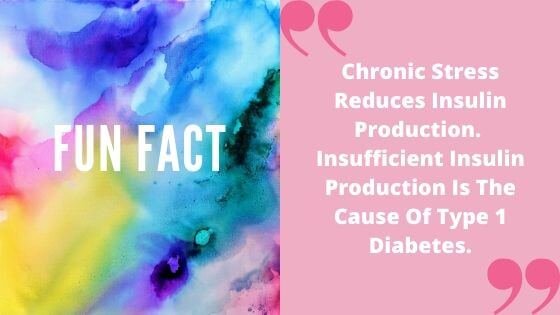
                  Both the sympathetic nervous system and the neuroendocrine system (that’s the system that influences both hormones, like insulin, and neurons, including those in the brain) play central roles in the concept of ‘allostatic load’ [7].  In other words, chronic stress reduces insulin production and affects brain functioning.  A lack of insulin production results in Type 1 (or Type 2 or MODY) Diabetes.

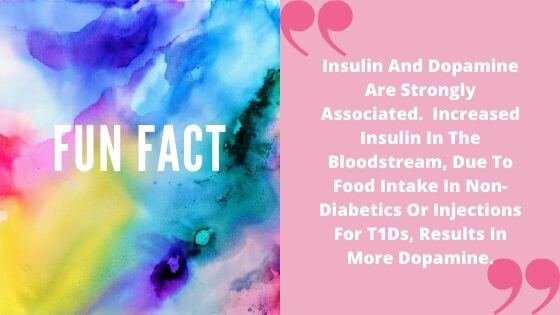
                  Dopamine is an example of a catecholamine.  Insulin has been found to be strongly associated with the ‘pleasure’ centre of the brain, the striatal region, where dopamine is produced. [8].  The more insulin there is in the bloodstream, the more dopamine is released from the striatal region.  Dopamine is a feel-good chemical.  In a Type 1 Diabetic, when blood sugar levels are too high, the resulting mood is likely to not be a very fun one… Oh, I know that grumpiness of high blood sugars!!   In a non-diabetic, I would anticipate that the reverse must be true… The more joy they experience, the more they are able to produce insulin. 

                  healing curing type 1 diabetes naturally

                  In my post on Descartes and the Mind-Body Split in Western Medicine, I touched upon the research that highlights a connection between stressful life events and subsequently developing T1D.  As discussed, chronic stress releases glucocorticoids and catecholamines that shut down insulin production and increase glucose concentrations in the blood.  So perhaps the reverse can be true…?  If I can reduce my allostatic load, it gives my system more of a chance of increasing (starting!) insulin production.  It makes my bodily environment more welcoming to growing some new beta cells (as discussed in my post ‘What is Type 1 Diabetes?’).

                  My Take-Home Message

                  For me, the concept of an allostatic load is something to hold going forward.  Instead of understanding my beta cells as being burnt out or broken, I am seeing them as being in an environment that stops them from switching back on.  

                  The environmental conditions in my body are fuelled by all the factors that contribute to my allostatic load.  These include my diet, my feelings of helplessness, my exercise regime, my response to my life experience, the amount of daily stress I carry with me, and so on.
                  In other words, Type 1 Diabetes is a multifaceted disorder.  Thus, each one of these things that I can improve or eliminate, the smaller the burden of my allostatic load will be.  I am therefore looking to improve all areas of my life that I feel may contribute to my allostatic load and thus fundamentally reduce it.  I will watch to see what happens to my blood sugar levels (and pancreatic function) from there!

                  Summary

                  • Stress produces two types of hormones in the body: glucocorticoids and catecholamines.
                  • Glucocorticoids stop inflammation in the body and increase and/or maintain blood glucose levels, ready for the individual to respond to threat.
                  • Catecholamines raise blood sugar levels, as well as heart rate, blood pressure and arousal in the sympathetic nervous system.
                  • Allostatic load is a measure of the amount of cumulative stress placed on a system due to adjustments the body makes to maintain homeostasis.
                  • Allostatic load can be used conceptually to understand T1D. Healing from T1D, using this approach, requires an overall reduction on stressors in the system that can contribute to a high allostatic load.

                  After-Thought…

                  Writing this post has also given me some food for thought on a related point…  The dominant model for understanding Type 1 Diabetes is the Eisenbarth model (see my post on ‘What is Type 1 Diabetes?’ for more info on this).  If researchers are using this model as their way of understanding T1D, they are going to assume that the beta cells in the pancreas are burnt out.  Therefore, measuring the C-peptide, for example, once only is a sufficient indicator of the amount of insulin-producing cells left in that individual’s pancreas. 

                  However, if that model is flawed and insulin production fluctuates with allostatic load over the course of a day, a week or a month, then measuring C-peptide would only indicate the amount of functioning beta cells at that moment in time.  The C-peptide test is most often done, if at all, in the early days after diagnosis of T1D.  At such a stressful time of life, when your allostatic load is likely to be huge, a low C-peptide level would almost be guaranteed.  This would give an explanation for the ‘honeymoon effect’ of a lot of T1Ds since, after diagnosis, they are often looked after mentally, physically and emotionally by those around them.

                  References:

                  1. Barnes, P. J. (1998). Anti-inflammatory actions of glucocorticoids: molecular mechanisms.  Clinical Science (London), 94(6), 557-572.
                  2. Kuo, T., McQueen, A., Chen, T. C., and Wang, J. C. (2015). Regulation of Glucose Homeostasis by Glucocorticoids.  Advances in Experimental Medicine and Biology, 872, 99-126.
                  3. Rafacho, A., Goncalves-Neto, L. M., Santos-Silva, J. C., Alonso-Magdalena, P., et al (2014).  Pancreatic alpha-cell dysfunction contributes to the disruption of glucose homeostasis and compensatory insulin hypersecretion in glucocorticoid-treated rats.PLoS One, 9(4), e93531.
                  4. McEwen, B. S. (2000). Allostasis and Allostatic Load: Implications for Neuropsychopharmacology.  Neuropsychopharmacology, 22, 108-124.
                  5. Talbott, S. M. (2007). The Cortisol Connection: Why Stress Makes You Fat and Ruins Your Health – And What You Can Do About It.  Nashville, TN: Hunter House.
                  6. McEwen, B. S. (2000). The Biological Basis for Mind Body Interactions.  Progress in Brain Research, Vol 122.  New York: Elsevier.
                  7. Kiecolt-Glaser, J. K., McGuire, L., Robles, T., and Glaser, R. (2002).  Psychoneuroimmunology: Psychological Influences on Immune Function and Health.  Journal of Consulting and Clinical Psychology, 70(3), 537-547.
                  8. Stouffer, M. A., Woods, C. A., Patel, J. C., Lee, C. R. et al. (2015). Insulin enhances striatal dopamine release by activating cholinergic interneurons and thereby signals rewards.  Nature Communications, 6, 8543.
                  healing curing type 1 diabetes naturally
                  healing curing type 1 diabetes naturally

                  GET HEALINGT1D’S FUTURE ARTICLES IN YOUR INBOX!

                  Get the latest musings and findings straight to your email inbox.

                    Picture of Natalie Leader
                    Natalie Leader

                    Natalie is a blogger with Type 1 Diabetes. Natalie’s special gifts are questioning the status quo and being a rebel. She is using these gifts to question medical ‘knowledge’ and find a true cure for Type 1 Diabetes.
                    The content of the HealingT1D website is for educational and information purposes only.  It does not contain medical advice. The contents of this website are not intended to substitute for professional medical advice, diagnosis or treatment. Please always consult with your doctor, physician, or other qualified healthcare professional before making any adjustments to your routine or healthcare regime.  HealingT1D and all associated with it will not be held liable for any risks or issues associated with using or acting upon the information on this site.
                    Recent Comments:
                  • Type 1 Diabetes and the Mind-Body Relationship

                    Type 1 Diabetes and the Mind-Body Relationship

                    The Real Descartes…  Believing The Mind, Body And Soul Are In Relationship

                    The content of the HealingT1D website is for educational and information purposes only.  It does not contain medical advice. The contents of this website are not intended to substitute for professional medical advice, diagnosis or treatment. Please always consult with your doctor, physician, or other qualified healthcare professional before making any adjustments to your routine or healthcare regime.  HealingT1D and all associated with it will not be held liable for any risks or issues associated with using or acting upon the information on this site.

                    From Descartes To Integration

                    I feel I need to start this post with a bit of a get-out clause… I am not a philosopher, nor am I thoroughly grounded in the huge body of works of Descartes.  The intention of this post is not to provide a thorough account of the mind-body problem in philosophy.  What I intend to do is to highlight how Descartes has influenced Western medicine today.  From here, I will be able to focus on my goal for this post… To discuss how I believe that this philosophical position comes to bear on our understanding of Type 1 Diabetes and my ability to heal it.

                    Who Was Descartes?

                    Frans Hals - Portret van René Descartes.jpg
                    By After Frans Hals – André Hatala [e.a.] (1997) De eeuw van Rembrandt, Bruxelles: Crédit communal de Belgique, ISBN 2-908388-32-4., Public Domain, Link

                    René Descartes (1596–1650) was a mathematician, scientific thinker and philosopher.  He is considered to be one of the founders of modern philosophy.  Descartes was born in France, where he spent the first 22 years of his life.  In 1628, Descartes established himself permanently in the Dutch Republic (now Holland), where he wrote all of his major works. One of his most well-known doctrines concerned the relationship between the mind and the body.  He explored this relationship in detail in two of his works: “Principia Philosophiae” [1] and “Meditations” [2].

                    Mind-Body Dualism

                    In Principia Philosophiae [1] and in the Second Meditation [3], Descartes outlines his thoughts on the mind-body relationship.  Through a series of explorations, Descartes concluded that the mind and body must be made from different substances.  He believed that the mind was made from a thinking substance that could not go beyond itself (it could not extend into space).  This thinking substance, or “thinking thing”, he called “res cogitans”.  The body, by contrast, was understood to be an unthinking substance that was able to extend itself in space.  This substance, Descartes named “res extensa” or “extended thing”.  Philosophers and theorists alike, since the time of Descartes, have therefore used this line of reasoning to emphasise how Descartes believed that the mind and the body were thus distinct entities.  This line of thought is what is referred to today as “Cartesian dualism” or “mind-body dualism”.

                    healing curing type 1 diabetes naturally
                    The Disconnected Mind and Body of Cartesian Dualism

                    The Real Descartes

                    Descartes [4] is well-known for his phrase “cogito ergo sum” (literally translated as “I think, therefore I am”).  It is often used as a symbol to demonstrate how Descartes truly underlined the distinction between the mind and the body.  

                    Such a statement is a debasement and truncation of the intended message of Descartes’ works.  Descartes’ writings were, in fact, deeply involved in questioning not only the relationship between the mind and the body but also about the nature of the interactions between them. 

                    A wider reading of Descartes reveals how he believed that the mind, body and soul were in fact not only in relationship with each other but connected via a small region of the brain known as the pineal gland [5, 6].  Descartes [7] posited that the pineal gland was the seat of the soul and the place where all thoughts were formed.  Moreover, it was the place where the mind, body and soul interacted.  However, throughout his lifetime, Descartes struggled to delineate exactly what the relationships between mind, body and soul were.  In letters to friends [8], Descartes was known to devalue and dismiss his metaphysical ideas, aware of their inherent weaknesses and lack of successful theoretical foundation.  However, he still maintained that there exists “experience within ourselves certain… things which must not be referred either to the mind alone or to the body alone” but “from the close and intimate union of our mind with the body” [9].

                    Descartes’ Division Of Mind And Body

                    As Descartes’ theories of mind, body and soul developed, he encountered trouble.  His philosophies offended the Church, who believed that the soul was purely their remit.  Thus, in 1663, the Church listed Descartes’ works on its Index of Prohibited books [10].  In order to resolve this growing conflict, Descartes and the Church came to an agreement…  The Church would hold sole control over the theorising of the soul, mind and emotions.  In return, Descartes would focus solely on the workings of the human body and would be provided with corpses by the Church for purposes of dissection [11].  Thus, the split between mind and body was decided.

                    Treating Diabetes Using Western Medicine

                    Mind-body dualism is at the very heart of Western medicine.  In doctors’ surgeries, the patient is required to submit their body to be examined, like an object under investigation.  Issues in the body are inspected, analysed and assessed.  Mental, emotional and spiritual health issues are discussed separately to the physical body and each is treated separately to each other.

                    Diabetes is understood as a purely bodily, physical medical condition, which needs to be treated with medication [12].  The mental or spiritual elements are generally considered to be outside of the diabetologist’s remit.  For me, this became wholly evident when, some years ago, I had a period of suffering from anxiety and depression.  At my diabetes check-up, I discussed how my mental health was impacting my ability to maintain tight blood sugar levels.  My diabetologist’s response was to refer me to see a psychologist.  The diabetologist then continued to work on my blood sugars whilst the psychologist worked on my mind.

                    Revising Western Medicine’s Theoretical Foundation

                    Cartesian medicine is coming into question more and more today.  With the arrival, and recognition of, psychosomatic illnesses, the line between the mind and the body is becoming increasingly blurred.  Some such examples include chronic pain and fibromyalgia.  Such conditions are seen as having both mental and physical components that interact with each other.  For example, on days with higher pain, mental health can deteriorate.  Equally, increased mental health issues, perhaps due to familial or work issues, can result in increased physical pain or decreased flexibility and motility.  However, T1D appears to fall outside of that discussion and I question why.  Perhaps it is because T1D’s treatment plan relies so heavily on the physical infusions of insulin.  I don’t know.

                    What I do know from my own experience of T1D is that the link between the physical condition and emotions is strong. Personally, I know that my emotions can change quite dramatically when my blood sugars go too low or too high.

                    Furthermore, according to Diabetes UK [13], three in five diabetics experience emotional or mental health problems as a result of their diabetes. More dramatically still, stressful life events, such as bereavement, divorce and violence, in the family environment during pregnancy and the first two years of life, increase a child’s chance of developing type 1 diabetes [14, 15]. So the link seems to be both ways… The physical condition of diabetes affecting the emotional life of the patient and the emotional life of the patient implicating the onset of the condition in the first place.

                    So, for me, T1D is not a medical disorder. It is a psychosomatic condition that needs to be seen through the lenses of both mental and physical health.

                    Going Forward…

                    If I remove Descartes from my understanding of diabetes, then healing T1D becomes much more multifaceted.  My new understanding needs to place treatment on both the mind and the body, preferably in an integrated and holistic way.  As such, I will be open to the idea that mind practices can have an effect on my body system, and particularly on the functioning of my pancreas.  I will assume that healing T1D involves healing the whole of me.  That my immune system can be influenced by my mind.  This idea, and practical strategies that I intend to employ, will be outlined and implemented in future posts.

                    Summary

                    • Descartes’ bastardised philosophies of a disconnection between mind and body are the foundation of Western medicine today.
                    • Cartesian medicine understands physical illnesses and conditions in term of the mechanics of the body, usually conferring that something has gone wrong in the system that is the human body.
                    • Diabetes, as a physical disorder, is understood to result from a misfiring of the immune system. However, no physical cause for this misfiring has been found.
                    • Diabetes can be understood as a multifaceted mind-body disorder, which requires both mental and physical treatment for healing to take place.

                    References

                    1. Descartes, R. (1644). Principia Philosophiae.  Amsterdam: Apud Ludovicum Elzevirium. [Link]
                    2. Descartes, R. (1658). Meditationes de prima philosophia.  Janssonium Juniorum. [Link]
                    3. Descartes, R., Sanderson Haldane, E., and Thomson Ross, G. R. (1993). Meditations on First Philosophy in Focus.  London and New York: Routledge.  (Original work published 1641.) [Link]
                    4. Watson, R. (2007). Cogito, ergo sum: The life of Rene Descartes.  Boston: David R. Godine. [Link]
                    5. Descartes, R. (1972).  Treatise on Man (trans. Hall, T. S.).  Cambridge, Massachusetts: Harvard University Press. (Original work published 1662.) [Link]
                    6. Descartes R. (1989). The Passions of the Soul.  Indianapolis: Hackett.  (Original work published 1649.) [Link]
                    7. Finger, S. (2000). Minds Behind the Brain: A History of the Pioneers and Their Discoveries.  New York: Oxford University Press. [Link]
                    8. Clarke, D. M. (2006). Descartes: A Biography.  Cambridge, New York, Melbourne, Madrid, Cape Town, Singapore, Sao Paulo: Cambridge University Press. [Link]
                    9. Gottlieb, A. (2016). The Dream of Enlightenment: The Rise of Modern Philosophy.  New York and London: Liveright Publishing. [Link]
                    10. de Bujanda, J. M. (2002). Index Librorum Prohibitorum, 1600–1966.  Montreal and Geneva, Mediaspaul and Librairie Droz. [Link]
                    11. Pert, C. B. (1997).  Molecules of Emotion: Why You Feel the Way You Feel.  London & Sydney: Simon & Schuster. [Link]
                    12. https://www.nhs.uk/conditions/diabetes/
                    13. https://www.diabetes.org.uk/about_us/news/three-in-five-people-with-diabetes-experience-emotional-or-mental-health-problems
                    14. Lundgren, M., Ellstrom, K, and Larsson, H. E. (2018). Influence of early-life parental severe life events on the risk of type 1 diabetes in children: the DiPiS study.  Acta Diabetologica, 55(8), 797-804. [Link]
                    15. Nygren, M., Carstensen, J., Koch, F., Ludvigsson, J., and Frostell, A. (2015). Experience of a serious life event increases the risk for childhood type 1 diabetes: the ABIS population-based prospective cohort study.  Diabetologia, 58(6), 1188-1197. [Link]
                    healing curing type 1 diabetes naturally
                    healing curing type 1 diabetes naturally

                    GET HEALINGT1D’S FUTURE ARTICLES IN YOUR INBOX!

                    Get the latest musings and findings straight to your email inbox.

                      Picture of Natalie Leader
                      Natalie Leader

                      Natalie is a blogger with Type 1 Diabetes. Natalie’s special gifts are questioning the status quo and being a rebel. She is using these gifts to question medical ‘knowledge’ and find a true cure for Type 1 Diabetes.
                      The content of the HealingT1D website is for educational and information purposes only.  It does not contain medical advice. The contents of this website are not intended to substitute for professional medical advice, diagnosis or treatment. Please always consult with your doctor, physician, or other qualified healthcare professional before making any adjustments to your routine or healthcare regime.  HealingT1D and all associated with it will not be held liable for any risks or issues associated with using or acting upon the information on this site.
                      Recent Comments: