Category: Taking Control of My Health

  • The SHOCKING Truth About Insulin!

    The SHOCKING Truth About Insulin!

    Hormones, Neuropeptides and… Acid!
    The content of the HealingT1D website is for educational and information purposes only.  It does not contain medical advice. The contents of this website are not intended to substitute for professional medical advice, diagnosis or treatment. Please always consult with your doctor, physician, or other qualified healthcare professional before making any adjustments to your routine or healthcare regime.  HealingT1D and all associated with it will not be held liable for any risks or issues associated with using or acting upon the information on this site.
    healing curing type 1 diabetes naturally

    Summary: This article discusses outlines the role of insulin in diabetes, highlighting how it is a hormone that acts on the permeability of cells.  The discovery of insulin by Banting and Best is outlined, followed  by a discussion of the modern-day insulins that are available.  A consideration of the synthetic components contained within  insulin are discussed, along with its properties of being both a hormone and a neuropeptide.

    Ah, the elixir! The magic potent drug that keeps me alive and well. What would I do without you?!

    Now, for me, it’s funny sitting here writing this post… For decades, I have (mostly!) diligently put insulin into my system. This has been via syringes (originally ones that were sterilised by boiling them in a saucepan!!) then insulin pen devices then an insulin pump and now syringes again. All those units of insulin, all those vials, all those bottles… But I actually know so little about this wonder drug! Is it even a drug?!

    What Is Insulin?

    So, to answer my first question… No, insulin is not a drug (until it is put into bottles and sold by pharmaceutical giants, anyway!).  A plethora of books, articles and webpages kindly inform me that insulin is a hormone [1, 2, 3].

    What Are Hormones?

    Hormones are a type of molecule in the human body that are transported around the body by the circulatory system.  They are taken to places in the body to stimulate specific cells or tissues to produce a predetermined action.  The hormone insulin is produced in the pancreas in the beta cells.  Insulin is then dispatched into the bloodstream to act on the glucose molecules found there.  Insulin works by increasing the permeability of the cells in the human body.  With increased permeability, each cell is able to absorb more glucose from the bloodstream, resulting in lower amounts of glucose molecules in the blood [4].

    A Brief History Of Insulin

    I have to admit that I’m not a great fan of learning about the past.  I had a really boring history teacher when I was at school who, I think, successfully put me off history for the rest of my adult life.  Saying that, I don’t mind a quick delve into the textbooks of the past when I feel there’s something to be gained.  This is true for insulin.

    Insulin was not discovered until 1922.  Prior to its discovery, the life expectancy of children and young adults with type 1 diabetes was very poor, with deteriorating health and death always imminent.  My mother’s great-grandmother was one of the early ones to suffer this fate, dying when she was just 19 years old.

    Thankfully, advances have been made.  In 1922, insulin was discovered by Frederick Banting and Charles Best, under the directorship of John Macleod, following their investigations into the pancreatic function of dogs [5].  They siphoned off a pancreatic extract from the dogs’ pancreases (what we now know to be insulin) and found that the dogs developed diabetes.  By re-injecting this pancreatic extract back into the dogs, the dogs’ blood sugars were lowered.

    C. H. Best and F. G. Banting ca. 1924.png
    Charles H. Best and Banting, c. 1924.

    The insulin that was extracted from the dogs’ pancreases in these experiments was not purified.  Therefore, when it was injected for the first time into a human being, that of a fourteen year old boy, the lack of purification resulted in a sterile abscess and little effect on the blood sugar levels [6].  Banting and Best, with the help of their biochemist colleague J. B. Collip, purified the pancreatic extract, resulting in the first medically viable insulin [7].  In 1923, Banting and Macleod were awarded the Nobel Prize for their discovery of insulin.

    Over the following decades, procedures for extracting insulin were refined. Eli Lilly began producing insulin from animal pancreases. He found that the insulin from dead pigs and cows was particularly suited to humans.

    In 1982, ‘human’ insulin was produced for the first time. Human insulin is manufactured from genetically engineering the bacterium of yeast cells to produce insulin.

    On the market today, there are over 40 different types of insulin available to the diabetic consumer. The vast majority of diabetics use human insulin. However, natural animal insulins, which have no synthetic properties, are still available in some countries, including my home country of the UK. I feel this fact is important to know when considering healing from Type 1 Diabetes. I wish to make my body as healthy as I can, which I believe involves removing as many extraneous toxins as possible.

    Rapid-Acting, Short-Acting, Intermediate-Acting, Long-Acting…

    Today, we are blessed to have so many different types of insulin available to us. Whatever our bodily responses to food, exercise and generally just staying alive(!), there is an insulin to match it.

    i) Rapid-acting
    ii) Short-acting
    iii) Intermediate-acting
    iv) Long-acting
    v) Pre-mixed

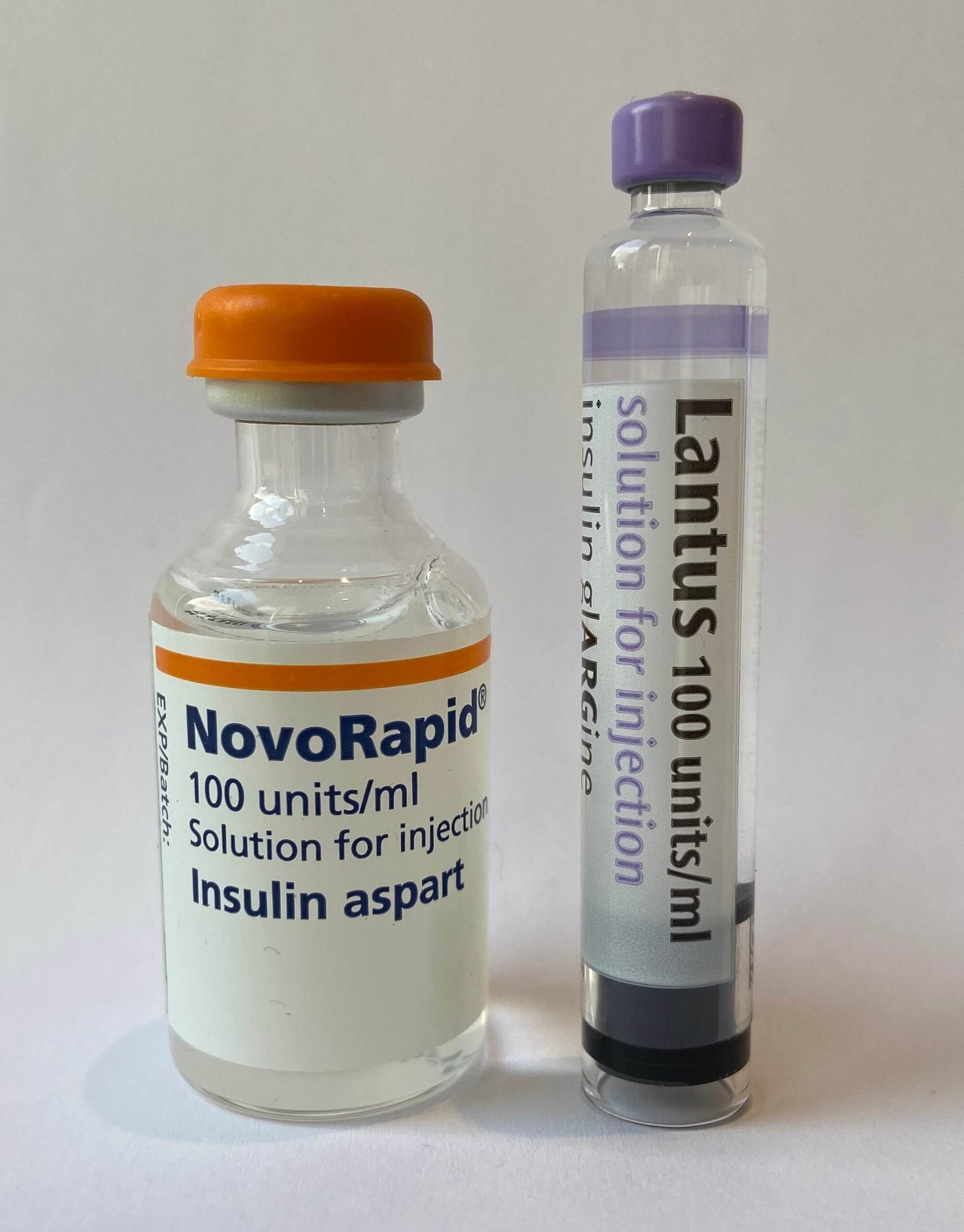
    Each of these types of insulin have different profiles for how long it takes them to start to work and how long they remain effective in the human body. Rapid-acting insulins, such as Novorapid (also known as Novolog), Humalog and Apidra, all start working in 10-20 minutes and last for two and half hours to five hours (although every human body is different so I only ever take these as rough guides until I’ve seen what they do to me in practice!).

    Short-acting insulin tends to have a slower onset and duration than the rapid-acting insulins. Actrapid (also known as Regular insulin) is the most well-known type of insulin in this this group.

    NPH is an intermediate-acting insulin, so-called because it takes 1-2 hours to start to work but then last in the system for about half a day.

    In the long-acting group is insulin glargine (the most commonly known ones being Lantus and Toujeo), insulin determir (known as Levemir) and Insulin degludec (known as Tresiba). These have a much longer onset time, somewhere between one to two hours depending on the specific type, but last up to 24 hours or longer.

    The last group are the pre-mixed insulins, which consist of both short-acting and long-acting insulins.Some examples are Humulin 70/30 and Novolog 70/30, both of which take 30 minutes to onset and last up to 24 hours.

    The Lesser Known ‘Amylin’

    As I was reading up on insulin production, I found that the insulin-producing beta cells in the pancreas don’t just produce insulin. They also produce another hormone… Amylin.

    Amylin is the hormone that helps insulin to attain optimal blood glucose levels after meals.  It has many roles…

    1. It slows the digestive process, which means that carbohydrates take longer to enter the bloodstream. This results in smaller blood sugar spikes after meals.

    2. Prevents glucagon being secreted from the pancreas. Glucagon is a hormone that is responsible for raising blood sugar levels. That means, for me as a type 1 diabetic, I have the added joy of MORE glucagon being released when I eat a meal. So my poor body has to cope with even more free-floating glucose in my bloodstream. Consequently, I have to take more insulin; some to cover the meal itself and some to cover this additional glucagon spike.

    3. Amylin increases feelings of satiety. Increasing satiety would dissuade me from reaching for that third second piece of cake after dinner or that lovely chocolate cookie between meals. But, nope, I don’t have amylin. So THAT is why I feel like I… am… always… hungry!!

    There is a product on the market called Symlin, which is synthetic amylin that can be used to counteract the lack of amylin in your system.

    However, for me, that is not really a choice I wish to make. I am striving to get my body back to as natural a setting as possible and focusing on getting my body to regenerate itself as much as possible. But just knowing that there is a reason why I don’t ever feel satisfied at the end of a meal (no matter how full my belly is!) lets me know that that is okay. I can make peace with that.

    My Experience of Insulin

    I have been on a range of insulins over the years. When I was first diagnosed, I had two injections a day of mixed Actrapid and Monotard (an old long-acting insulin). This continued until I was eight or nine years old, when I was switched to Novorapid three times per day with meals and Protaphane at bedtime. I have played about with different types since then, including taking purely Novorapid through an insulin pump for a five-year period. Currently, my insulin regime tends to take one of two approaches:

    When eating a carbohydrate-rich diet (50-100 grams per day), I find that Novorapid at meal times plus one large-ish dose of Lantus at bedtime is the most effective.

    When eating lower amounts of carbohydrates (usually 30-40 grams per day), I require a different regime. I find that Actrapid is more effective for meals (since the protein content of my meals gives the larger blood sugar hit and this hits in later than simple carbohydrates) and two doses of Lantus (at night and in the morning) gives me better stability in my daily blood sugars.

    Always Read The Label…

    Now this was a bit of a shocker for me. I had always assumed that the insulin I was putting into my body on a more-than-daily basis was just that… Insulin. Well, it turns out that I have been duping myself.  I decided to read the package leaflet for each insulin to discover what I was really putting into my body.

    Lantus:

    At the moment, I use Lantus (insulin glargine) from 3 mL pre-filled cartridges. These contain insulin glargine, plus the following inactive ingredients:
  • Zinc chloride
  • Metacresol
  • Glycerol
  • Sodium hydroxide
  • Hydrochloric acid
  • Water for injections

Novorapid:

I use Novorapid (Novolog) vials for my mealtime injections. They contain:
  • Glycerol
  • Phenol
  • Metacresol
  • Zinc chloride
  • Disodium phosphate dihydrate
  • Sodium chloride
  • Hydrochloric acid
  • Sodium hydroxide
  • Water for injections
  • I have to admit that, whilst I’m deeply grateful for my insulins and their ability to keep me alive and well, I’m really disappointed to see how many additional chemicals I am putting into my body on a daily basis.  This makes me think more deeply about using animal insulin rather than synthetic insulin.  I think I need to investigate that idea further.

    Insulin And The Brain

    “You what?! What do you mean ‘insulin and the brain’? They have absolutely nothing to do with each other!” was my first thought on this topic.  After all, I’ve never had discussions about my brain with my diabetologist.  Well, it turns out that maybe I should…!

    Early research believed that insulin purely existed in the pancreas and in the bloodstream. It was simply a hormone.

    However, recent research is showing that insulin is in fact highly involved with the brain. It appears that insulin has several roles in the brain and is involved in multiple neural pathways [10].

    Insulin was first found in the brain in the late 1970s by Jana Havrankova and colleagues [11]. This early research was conducted on rat brains but insulin has similarly been detected in human brains [12].

    For this reason, researchers of today are now choosing to refer to insulin as a ‘neuropeptide’.

    What Are Neuropeptides?

    Peptides are protein-like molecules that are used by nerve cells (called neurons) to communicate with each other. They are made up of a string of amino acids and are usually shorter in length than proteins.

    Neuropeptides are a specific type of peptide that are released from neurons (in the brain and central nervous system) and act on neighbouring neurons.

    A hotly debated area in the world of neuropeptides and insulin production is whether or not insulin is made in the brain [13].

    Whilst there appears to be no clear conclusion on this matter as yet [10], the latest research is strongly indicating that there is in fact insulin being produced by the brain [14].

    Is Insulin A Neuropeptide Or A Hormone?

    It turns out that insulin is BOTH… A hormone and a neuropeptide (see my post here for more on this topic).  Insulin is produced in the pancreas by beta cells (in non-diabetics) and travels through the bloodstream to act on glucose molecules.  This makes it a peptide hormone.  However, as discussed above, some preliminary studies are indicating that it is also produced in the brain and acts on neighbouring brain regions.This firmly places insulin in the neuropeptide camp too.

    Why Does It Matter If Insulin Is A Neuropeptide Or A Hormone?

    Neuropeptides are mainly brain-focused.  Hormones are mainly body-focused.  Insulin is both a hormone and a neuropeptide.  It has actions in both the brain and the body.  Type 1 Diabetes results from a lack of insulin.  So has the insulin production been disrupted in the brain or the body or both?  

    For me, it seems obvious that Type 1 Diabetes cannot be just a disorder of the pancreas.  It is not a purely physical disease with a purely physical origin.  If it acts in both the brain and the body and is produced in both the brain and the body, then both the brain and the body must go wrong at the time of the onset of T1D.  Going forwards, this further underlines for me how my healing from T1D needs to involve both my mind and my body.  Both of them need to be healed, not either in isolation from the other.

    Summary

    References

    1. Holt, R. I. G., and Hanley, N. A. (2012). Essential Endocrinology and Diabetes.  Chichester, UK and Hoboken, NJ: Wiley-Blackwell Publishers.
    2. Scheiner, G. (2011). Think Like A Pancreas: A Practical Guide to Managing Diabetes With Insulin (2nd ed.).  Cambridge, MA: Da Capo Press.
    3. Neal, M. J. (2012). Medical Pharmacology at a Glance (7th ed.).  West Sussex, UK: John Wiley and Sons.
    4. Stryer L (1995). Biochemistry (4th ed.). New York: W.H. Freeman and Company.
    5. Banting, F. G., Best, C. H., Collip, J. B., Campbell, W. R., and Fletcher, A. A. (1922). Pancreatic extracts in the treatment of diabetes mellitus.  Preliminary Report.  Canadian Medical Association Journal, 12, 141-146.
    6. Quianzon, C. C., and Cheikh, I. (2012). History of Insulin.  Journal of Community Hospital Internal Medicine Perspectives, 2(2), 10.
    7. Bliss M. (1993). The History of Insulin. Diabetes Care, 16(3), S4-7.
    8. https://www.iddt.org/diabetic-commonsense/the-great-debate-natural-animal-or-artificial-human-insulin
    9. https://www.sciencedaily.com/releases/2015/10/151027074802.htm
    10. Gray, S. M., Meijer, R. I., Barrett, E. J. (2014). Insulin Regulates Brain Function, but How Does It Get There? Diabetes, 63(12): 3992-3997.
    11. Havrankova J., Schmechel, D., Roth, J., Brownstein, M. (1978).  Identification of insulin in rat brain. Proc National Academy of Science U S A, 75(11), 5737–4110.
    12. Dorn, A., Bernstein, H. G., Rinne, A., Ziegler, M., Hahn, H. J., Ansorge, S. (1983). Insulin and glucagonlike peptides in the brain. Anatomical Record, 207(1), 69–77.
    13. Blázquez, E., Velázquez, E., Hurtado-Carneiro, V., and Ruiz-Albusac, J. M. (2014). Insulin in the Brain: Its Pathophysiological Implications for States Related with Central Insulin Resistance, Type 2 Diabetes and Alzheimer’s Disease.  Frontiers in Endocrinology, 5, 161-182. 
    14. Molnár,  G., Faragó,  N., Kocsis,  A. K., et al. (2014). GABAergic neurogliaform cells represent local sources of insulin in the cerebral cortex.  Journal of Neuroscience, 34, 1133–1137.
    healing curing type 1 diabetes naturally

    GET HEALINGT1D’S FUTURE ARTICLES IN YOUR INBOX!

    Get the latest musings and findings straight to your email inbox.

      Picture of Natalie Leader
      Natalie Leader

      Natalie is a blogger with Type 1 Diabetes. Natalie’s special gifts are questioning the status quo and being a rebel. She is using these gifts to question medical ‘knowledge’ and find a true cure for Type 1 Diabetes.

      The content of the HealingT1D website is for educational and information purposes only.  It does not contain medical advice. The contents of this website are not intended to substitute for professional medical advice, diagnosis or treatment. Please always consult with your doctor, physician, or other qualified healthcare professional before making any adjustments to your routine or healthcare regime.  HealingT1D and all associated with it will not be held liable for any risks or issues associated with using or acting upon the information on this site.
      Recent Comments:
    • What Is Type 1 Diabetes REALLY?

      What Is Type 1 Diabetes REALLY?

      The “Beta Cell Burnout Theory” May Not Be True
      The content of the HealingT1D website is for educational and information purposes only.  It does not contain medical advice. The contents of this website are not intended to substitute for professional medical advice, diagnosis or treatment. Please always consult with your doctor, physician, or other qualified healthcare professional before making any adjustments to your routine or healthcare regime.  HealingT1D and all associated with it will not be held liable for any risks or issues associated with using or acting upon the information on this site.
      curing healing type 1 diabetes naturally

      Summary: The Eisenbarth model explains Type 1 Diabetes (T1D) as an autoimmune disease where the immune system targets and eliminates pancreatic beta cells, cells that are crucial for insulin production. However, recent research offers hope for treatment advancements and cure.  Research has highlighted the potential for beta cell preservation and regeneration, including findings on delta cell transformation and the presence of dormant and baby beta cells in the pancreas.

      After 38 years with diabetes, I felt pretty sure that I was the Mastermind champion on Type 1 Diabetes (T1D)!

      I knew that my pancreas had stopped functioning.  I knew that I needed to take regular insulin injections (or insulin pump infusions) to replace the lost insulin that my pancreas no longer produces.

      I knew that my pancreas was defunct. Irreparable. Beyond salvation.  Dead as a dodo.

      Life with T1D

      T1D management can be tricky and, at times, onerous.  I maintain my T1D through testing my blood sugar levels up to ten times per day.

      I inject insulin at each meal and at bedtime (see my ‘Insulin‘ post for further exploration on this topic).

      I inject varying amounts of insulin for each meal.  The amount depends on the carbohydrates on my plate (or, more accurately, in my stomach!!).

      Insulin dosing is a fine art.  Too much, I hypo (hypoglycaemia).  I become listless, confused and sometimes uncooperative.  Too little insulin, my blood sugars run too high (‘hyperglycaemia’).  I become irritable, anxious and sometimes mean.

      But I am well and I am healthy.  I live a full and active life.  I am a wife to a non-diabetic husband.  I am a mother to a non-diabetic child.  I travel.  I exercise.  I live. I have fun.

      The Finer Detail…

      But I have to hang my head and say that I don’t TRULY know what diabetes is.  I’ve heard about the islets of Langerhans.  But I couldn’t explain to you what they are.  I know that my beta cells have been attacked by my immune system. But I can’t draw you a picture of what that  looks like.  And I don’t know why my immune system attacked my beta cells to start with.

      curing healing type 1 diabetes naturally

      Back To School

      I decided that the first stage of my healing process must include improving my knowledge levels.  How could I slay the beast without knowing what it looked like?  How could I understand what healing from T1D required if I didn’t know what its mechanism actually was?

      Understanding this process started with under the immune system.  Basically, the immune system functions in two main stages. Firstly, it detects foreign bodies, known as pathogens.  When pathogens are detected, the immune system sets about neutralising these pathogens.

      In healthy individuals, the immune system is so advanced that it is able to differentiate between pathogens and the normally functioning cells, tissues and organs of the human body.

      The dominant model to explain diabetes is the Eisenbarth model [1].  This model states that T1D is a chronic autoimmune disease where the immune system attacks the pancreatic beta cells.  It mistakenly identifies the beta cells in the pancreas as pathogens and sets about eliminating them [2].

      The Pancreas

      curing healing type 1 diabetes naturally
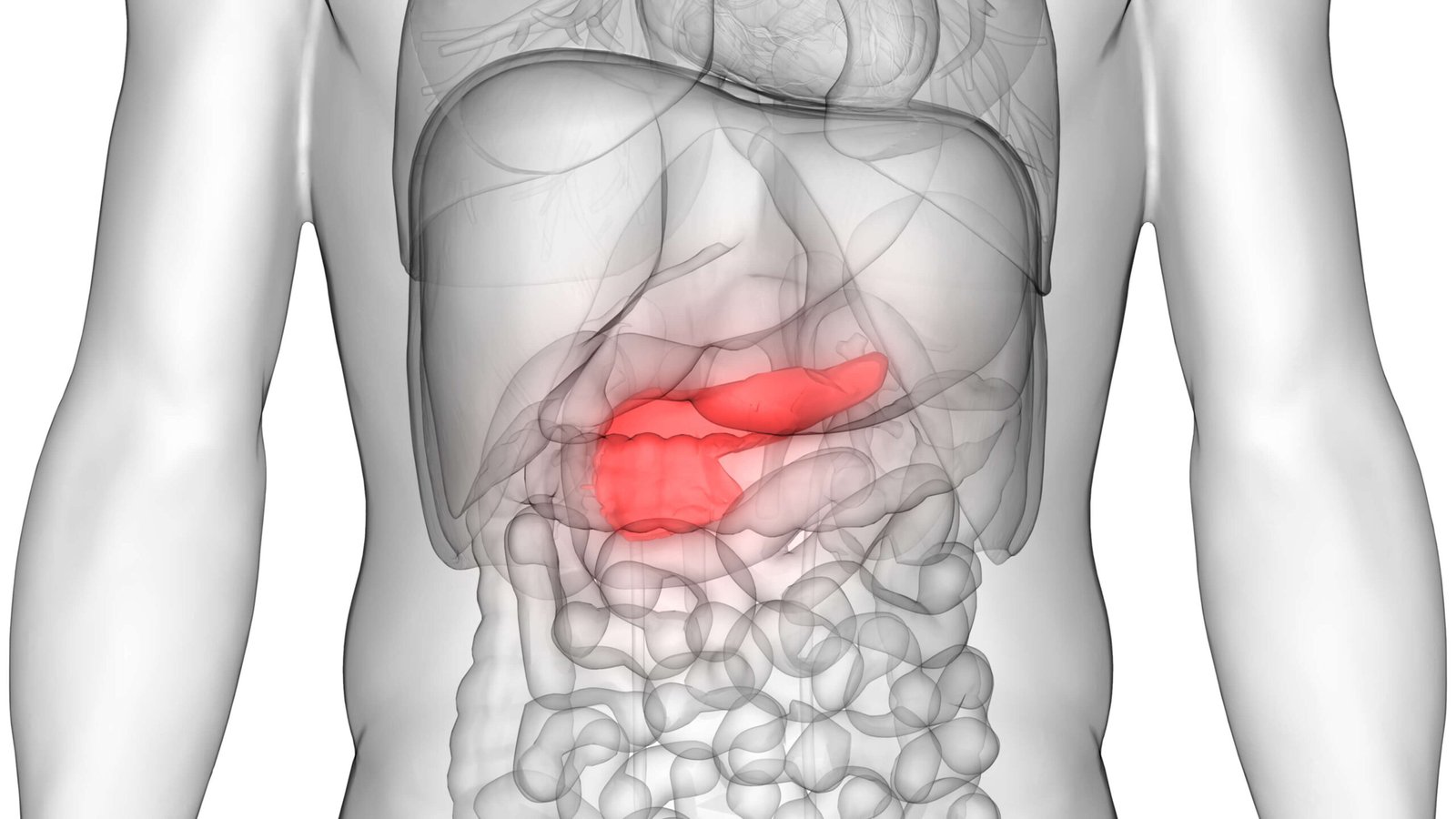
      The Position Of The Pancreas In The Body

      So here it is, the little beauty!  What strikes me most about this organ is how unnoticed AND unnoticeable it is!  If you ask most healthy people, they could describe where the major organs of the brain, heart, lungs, kidneys, stomach, bladder and bowel are located.  But the pancreas…?

      The pancreas is part of the digestive system.  It is conveniently situated behind the stomach.  It has both endocrine and exocrine functions.  The endocrine functions are mostly focussed on regulating blood sugar levels.  It achieves this by secreting a series of hormones, including insulin, straight into the bloodstream.  The exocrine functions involve supplying the stomach with digestive enzymes.  These enzymes break food down into carbohydrates, proteins and fats.

      What Are Beta Cells?

      pancreatic cell
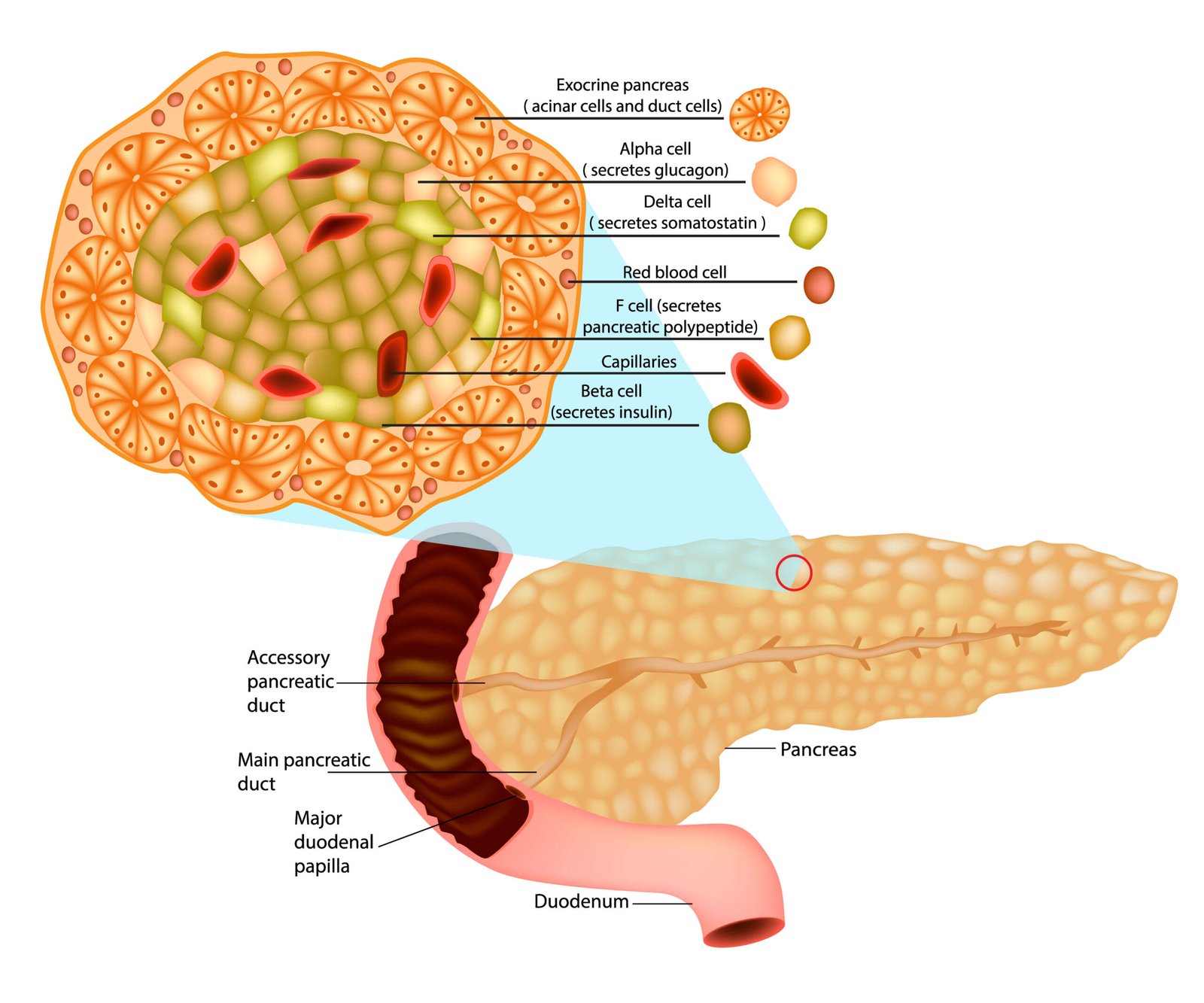
      The Structure Of The Pancreas And Pancreatic Islets

      There are three types of endocrine cells:

      • Alpha Cells: secrete glucagon. Glucagon is responsible for stimulating the liver to convert glycogen stores into ready-to-use glucose.
      • Beta Cells: secrete insulin.
      • Delta Cells: produce somatostatin that inhibits the secretion of glucagon and insulin.

      All three are found in the pancreatic islets.  These pancreatic islets are also known as the ‘islets of Langerhans’.  These were named after the German anatomist Paul Langerhans, who discovered them in 1869.

      Researchers generally posit that T1D occurs when the majority (between 70-90%) of the beta cells have been destroyed [3], [4], [5], [6].  Without these beta cells, the pancreas is unable to produce enough insulin to maintain healthy blood sugar levels.

      Beta Cell Mass and Beta Cell Function

      Now this is where, for me, things got a bit more murky.  More recent research [8] suggests that the lack of sufficient insulin in diabetes could in fact result from two different factors:

      • Reduced beta cell mass: there are fewer working beta cells in the pancreas due to increased beta cell death.
      • Reduced beta cell function: the beta cells are still alive and well in the pancreas but they are in a dormant/non-functioning state.

      So which one is relevant to Type 1 Diabetes?  It would appear that the answer is… BOTH!  For T1D that developed before the age of 14, there appears to be a higher number of inflamed islets (suggesting a reduction in their functioning) and also a lower number of remaining beta cells [9].  For T1D developed in the teenage years, however, beta cell mass is still surprisingly high [10].  The beta cells are still there, just not working right! It is thought that the marked increase in the loss of beta cell mass in the early years of Type 1 Diabetes is due to an increased level of the inflammatory process ‘insulitis’ [10].

      Why Were My Beta Cells Inhibited And/Or Destroyed?

      I have millions of cells in my body that do thousands of different jobs so why on earth did my rampaging, rebellious, body-wide immune system choose to turn in on my beta cells?  That’s pretty specific!  Why not the cells responsible for producing nasal mucus (that’s snot and bogeys to you and me!!)?  I’d prefer to do without those!

      Well, now the next piece of the story unravels… It turns out that the immune system in T1D may actually be working perfectly.  Instead, it is the beta cells that become dysfunctional [11].  This dysfunction causes the immune system to (quite correctly) identify them as pathogens, unhealthy to the system.  It therefore sets about clearing them out.

      Is All Hope Lost?

      Okay, soldier, not so quick on the draw!!  Despite all the gloom and doom about total beta cell loss, I have found some avenues of hope.
      Firstly, some interesting findings concerning C-Peptide. C-Peptide and insulin are produced and released from the pancreas at the same time and in similar quantities.  Thus, measuring C-Peptide can give a fairly good indication of the level of insulin that the pancreas is producing.  It has been found that 88% of T1D still have functioning beta cells, even many years after diagnosis and therefore also still have measurable levels of C-Peptide[12]. Thus, for these lucky individuals, half the battle is won.  Unfortunately, my doctor has confirmed that my C-Peptide level is so small that it’s unmeasurable… Unfortunately, I ain’t in that ‘my-pancreas-is-still-performing-pretty-well’ camp!!

      Secondly, research does not seem to support Eisenbarth’s proposal that great numbers of beta cells have been destroyed by the immune system…  In fact, only modest increases in beta cell death have ever been found in T1D [13].  So the beta cells might not even be dead…?!

      Instead, researchers [14] have demonstrated that the pancreas of T1Ds hold a larger-than-normal number of delta cells in their pancreas.  Therefore, they suggest that, instead of the beta cells dying, they have been converted from insulin-producing beta cells into insulin-inhibiting delta cells.  These same authors also found that this cell transformation is reversible, meaning that the delta cells can be changed back into fully-functioning beta cells under laboratory conditions.

      Thirdly, it has been found that when beta cells from Type 2 Diabetics are taken out of the ‘stressful stimulus’ provided by their bodily environment, they started producing insulin again [15].

      Fourthly, cutting-edge research has found that the pancreas has its own back-up system in place!  Hidden in plain sight from researchers for over one hundred years is a population of baby beta cells tucked up around the edges of healthy pancreatic cells [16].  These baby cells can already produce some insulin. I therefore wonder if it’s possible to grow these into fully-functioning ‘adult’ beta cells to restore insulin production in the pancreas.

      Hope Still Exists!

      These four findings give me great hope.  Although I do not have any measurable C-Peptide, I may still have dormant beta cells (which therefore are not producing C-Peptide).  These may just need a wake-up call to get going again.  However, even if I don’t have these dormant but healthy beta cells that can go forth and multiply, I still do have a source for creating new ones… The baby beta cells in the periphery of my pancreatic cells. Furthermore, the notion that the environment of the cell may inhibit insulin production makes me think about how I might change that environment myself to encourage beta cell proliferation.

      Rebooting The Pancreatic Cells

      So I need to find a way to reawaken my dormant beta cells (if I have any), and/or transform my delta cells back into fully-functioning beta cells and/or grow my baby beta cells into adult form.  As I have discussed above, beta cells can suddenly start producing when the environment they are in is changed.  This makes sense to me.  After all, how do you get a plant or an infant to grow?  You provide it with the right nutrition, environment and conditions for growth to take place.

      In my forthcoming blog posts, I will further support and expand upon the thoughts in this post.  Furthermore, I will be exploring a whole series of factors that I believe will contribute to the (re)growth of my beta cells.

      Summary

      • Type 1 Diabetes was originally understood to be an autoimmune disorder resulting from a misfiring immune system killing off the pancreatic cells that produce insulin (beta cells).
      • The beta cells are stored in pancreatic islet cells, along with alpha cells (that secrete glucagon) and delta cells (that produce somatostatin, which inhibits insulin and glucagon production).
      • Cutting-edge research is demonstrating that: i) the beta cells in the pancreas may not be destroyed after all; ii) beta cells have been transformed in the pancreas into insulin-inhibiting delta cells, which can be transformed back to beta cells; iii) changing the environment of inhibited beta cells can enable them to start producing insulin again; iv) the pancreas also contains baby beta cells that have the potential to develop into fully-functioning beta cells for those who do not have their own supply.
      • T1D appears to be more healable than the ‘beta cells have been burnt out’ theory suggests.

      Glossary:

      Alpha Cells: one of three types of cells found in the pancreatic islets. These are responsible for releasing glucagon to raise low blood sugar levels.

      Autoimmune disease: a disease caused by the immune system attacking cells or tissues in the human body that should not normally be attacked.

      Beta Cells: one of three types of cells found in the pancreatic islets. These are responsible for producing insulin, which lowers blood sugar levels.

      Beta Cell Function: a measure of the ability of the insulin-producing beta cells to produce insulin.

      Beta Cell Mass: a measure of the number of fully-functioning beta cells remaining in the pancreas.

      Blood sugar levels: a measure of the amount of glucose in the bloodstream. In diabetes, the body’s natural ability to maintain this at an optimum level is diminished.

      Carbohydrates: sugars, starches and fibres that are found in food stuffs. Carbohydrates are normally the body’s main source of energy, being utilised to increase blood glucose levels as and when required.

      Chronic: long-term.

      C-Peptide: an amino acid produced concurrently with insulin in the pancreas. A detectable level of C-peptide in the bloodstream is indicative of insulin production in the pancreas.

      Delta Cells: one of three types of cells found in the pancreatic islets. These are responsible for inhibiting the production of glucagon and insulin from the alpha and beta cells respectively.

      Eisenbarth model of diabetes: the currently dominant model of diabetes used by the majority of researchers and doctors to explain how T1D occurs. It suggests that T1D results from the immune system attacking and breaking down the beta cells in the pancreas, thus causing hyperglycaemia.

      Hyperglycaemia: the presence of too much sugar in the bloodstream.

      Hypoglycaemia: the presence of too little sugar in the bloodstream.

      Immune System: this is a complex, body-wide system that protects a body against pathogens and disease. It consists of many cells, organs and tissues of the anatomy.

      Insulin: a hormone produced by the beta cells in the pancreas. It is responsible for lowering glucose levels in the bloodstream.  In T1D, insufficient insulin is produced by the pancreas.  The lacking insulin is replaced with external insulin, either via injection or insulin pump.

      Insulitis: a disease of the pancreas where immune cells infiltrate the pancreatic islets, causing beta cell loss.

      Islets of Langerhans: also known as pancreatic islets. Each one is a specific small area of the pancreas that contains three main cells that are responsible for producing hormones; alpha cells, beta cells and delta cells.

      Pancreas: an organ of the body, situated behind the stomach. It has roles to play in both the digestion of food and regulation of blood sugar levels in the bloodstream.  In T1D, one small part of the pancreas, the beta cells, no longer produce insulin.

      Type 1 Diabetes (T1D): an autoimmune disease that occurs when the immune system attacks and destroys the insulin-producing beta cells in the pancreas.

      References:

      Pugliese, A., and Skyler, J. S. (2013). George S. Eisenbarth: Insulin and Type 1 Diabetes.  Diabetes Care, 36(6), 1437-1442. [Article]

      Holt, R. I. G., and Hanley, N. A. (2012). Essential Endocrinology and Diabetes.  Chichester, UK and Hoboken, NJ: Wiley-Blackwell Publishers. [Book]

      Gepts W. (1965). Pathologic anatomy of the pancreas in juvenile diabetes mellitus. Diabetes, 14(10), 619–633. [Article]

      Gepts W., and De Mey J. (1978).Islet cell survival determined by morphology: An immunocytochemical study of the islets of Langerhans in juvenile diabetes mellitus.  Diabetes, 27(S1), 251–261. [Article]

      Junker K., Egeberg J., Kromann H., and Nerup J. (1977). An autopsy study of the islets of Langerhans in acute-onset juvenile diabetes mellitus. Acta Pathologica et Microbiologica Scandinavica. Section A, Pathology, 85(5), 699–706. [Article]

      Kloppel G., Drenck C. R., Oberholzer M., and Heitz P. U. (1984). Morphometric evidence for a striking B-cell reduction at the clinical onset of type 1 diabetes. Virchows Archiv A Pathological Anatomy and Histopathology, 403(4), 441–452. [Article]

      Chen, C. et al. (2017).Human Beta Cell Mass and Function in Diabetes: Recent Advances in Knowledge and Technologies to Understand Disease Pathogenesis.  Molecular Metabolism, 6(9), 943-957. [Article]

      Atkinson, M. A., von Herrath, M., Powers, A. C., and Clare-Salzler, M. (2015). Current Concepts on the Pathogenesis of Type 1 Diabetes — Considerations for Attempts to Prevent and Reverse the Disease.  Diabetes Care, 38(6), 979-988. [Article]

      https://www.telegraph.co.uk/news/health/news/12146841/Type-1-diabetics-have-sleeping-insulin-cells-which-could-be-woken-say-scientists.html

      Sims, E. K., and DiMeglio, L. A. (2019). Cause or effect?  A review of clinical data demonstrating beta cell dysfunction prior to the clinical onset of type 1 diabetes.  Molecular Metabolism, 27S, S129-S138. [Article]

      Oram, R. A., Sims, E. K., and Evans-Molina, C. (2019). Beta cells in type 1 diabetes: mass and function; sleeping or dead?  Diabetologia, 62(4), 567–577. [Article]

      Butler A. E. et al. (2007).Modestly increased beta cell apoptosis but no increased beta cell replication in recent-onset type 1 diabetic patients who died of diabetic ketoacidosis. Diabetologia, 50(11), 2323–2331. [Article]

      Piran, R., Lee, S. H., Li, C. R., Charbono, A., Bradley, L. M., and Levine, F. (2014). Pharmacological induction of pancreatic islet cell transdifferentiation: relevance to type I diabetes. Cell Death and Disease, 5, e1357. [Article]

      Jeffery, N., et al. (2019).Cellular Stressors may alter islet hormone cell proportions by moderation of alternative splicing patterns. Available at: https://ore.exeter.ac.uk/ repository/ bitstre am/handle/10871/37184/Jeffery%20et %20al.,%20HMG%202019.pdf?sequence=1.

      van der Meulen, T., et al. (2017).Virgin Beta Cells Persist throughout Life at a Neogenic Niche within Pancreatic Islets.  Cell Metabolism, 25(4), 911-926. [Article]

      curing healing type 1 diabetes naturally
      curing healing type 1 diabetes naturally

      GET HEALINGT1D’S FUTURE ARTICLES IN YOUR INBOX!

      Get the latest musings and findings straight to your email inbox.

        Picture of Natalie Leader
        Natalie Leader

        Natalie is a blogger with Type 1 Diabetes. Natalie’s special gifts are questioning the status quo and being a rebel. She is using these gifts to question medical ‘knowledge’ and find a true cure for Type 1 Diabetes.
        The content of the HealingT1D website is for educational and information purposes only.  It does not contain medical advice. The contents of this website are not intended to substitute for professional medical advice, diagnosis or treatment. Please always consult with your doctor, physician, or other qualified healthcare professional before making any adjustments to your routine or healthcare regime.  HealingT1D and all associated with it will not be held liable for any risks or issues associated with using or acting upon the information on this site.
        Recent Comments: